
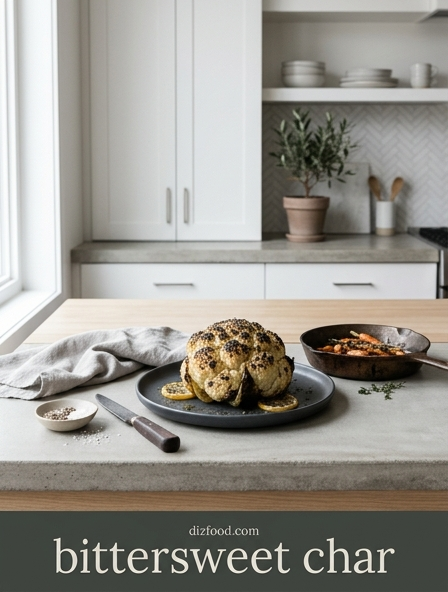
The Chemistry of Bittersweet Char
The transformation of food through high heat is a complex chemical journey that moves beyond simple cooking into the realm of pyrolysis. When organic matter is subjected to temperatures exceeding 400°F, the molecular structure of the surface begins to break down, leaving behind carbon-rich deposits. This bittersweet char is not merely "burnt" food; it is a sophisticated array of new compounds created as sugars and proteins decompose. The bitterness arises from the formation of heterocyclic amines and polycyclic aromatic hydrocarbons, which provide a sharp, acrid contrast to the sweet, un-carbonized interior of the ingredient.
Understanding the threshold between a flavorful char and an unpleasant burn is essential for culinary precision. At the molecular level, the heat strips away hydrogen and oxygen, concentrating the carbon. This process creates a structural skeleton that holds volatile aromatic compounds, which are released as soon as the food is masticated. This chemical transition adds a sophisticated "dark" note to the palate, functioning much like the tannins in a fine wine or the roasted depth of a dark espresso bean.
Maillard Reaction vs Intense Toasting
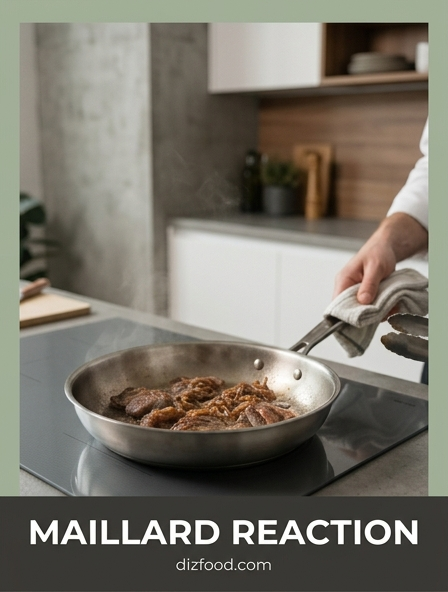
While often confused, the Maillard reaction and intense toasting represent different stages of thermal transformation. The Maillard reaction is a chemical reaction between amino acids and reducing sugars that gives browned food its distinctive flavor, typically occurring between 280°F and 330°F. In contrast, intense toasting and subsequent charring push past this window into carbonization, where the sugar-protein bonds are completely restructured into elemental carbon.
| Feature | Maillard Reaction | Intense Toasting/Char |
|---|---|---|
| Temperature | 280°F - 330°F | 350°F - 450°F+ |
| Flavor Profile | Savory, malty, floral | Bittersweet, smoky, acrid |
| Color Range | Golden brown to deep mahogany | Dark chocolate to coal black |
In the kitchen, a chef may utilize the Maillard reaction to create a savory crust on a steak, but then apply intense toasting to a slice of sourdough to introduce a bitter counterpoint. The interplay between these two levels of heat determines the complexity of the final dish, ensuring that the flavor profile remains multidimensional rather than one-note.
Developing Deep Caramelized Flavor Profiles
Caramelization is the oxidation of sugar, a process that occurs independently of the Maillard reaction but often alongside it. When heat is applied to carbohydrates, they undergo a series of reactions that result in the release of volatile chemicals such as diacetyl, which provides a buttery note, and furans, which offer a nutty aroma. Developing a deep profile requires a patient escalation of temperature to ensure the sugars darken without reaching the point of total combustion too quickly.
To achieve a truly bittersweet depth, the caramelization must be pushed to its limit. This "dark" caramelization introduces a structural bitterness that cuts through the inherent sweetness of ingredients like onions, carrots, or peaches. This technique is particularly effective in sauces and glazes, where the sugar content is high. By intentionally pushing the sugars to a near-burnt state, a chef creates a flavor bridge that connects sweet and savory elements, providing a robust foundation for the entire meal. This depth is what separates a standard sauté from a professional-grade reduction.
The Sensory Impact of Toasted Textures
The appeal of charred food extends beyond taste into the critical realm of mouthfeel. The process of intense toasting creates a structural change in the surface of the food, resulting in a brittle, crystalline crust that shatters upon impact. This provides a necessary textural contrast to the soft, succulent interior of proteins or the fibrous snap of vegetables. The sensory experience is defined by this duality: the initial resistance of the charred exterior followed by the release of moisture from the core.
Furthermore, the aromatics of toasted textures play a significant role in how we perceive the meal. The volatile compounds trapped in the blackened ridges of a charred pepper or a grilled piece of bread are activated by the heat of the mouth. This creates a retronasal olfactory experience where the "smell" of the char enhances the perception of richness. The crunch provides an audible cue of freshness and high-heat preparation, signaling to the brain that the food has been transformed by fire, which is a primal sensory preference in human culinary history.
Harnessing Smoke for Culinary Depth
Smoke is more than just a byproduct of fire; it is a complex ingredient consisting of hundreds of compounds, including phenols, aldehydes, and acids. When food is charred over an open flame or wood-fired grill, it absorbs these particulates, which embed themselves into the surface oils and fats. This infusion of smoke provides a lingering aftertaste that complements the bittersweet notes of the char. Different woods contribute unique chemical profiles to the smoke:
- Hickory: Provides a pungent, bacon-like intensity.
- Applewood: Offers a mild, subtly sweet smoke that balances heavy char.
- Mesquite: Extremely bold and earthy, best for short, high-heat searing.
- The Cast Iron Method: Preheat the pan until it is whispering wisps of smoke for a high-contact, even sear.
- Direct Flame Blistering: Using a gas burner or torch to target specific areas for localized char.
- The "Lid-On" Sear: Using a heavy weight or press to maximize surface contact with the heat source.
- Two-Zone Grilling: Charring over high heat and then moving to a cooler zone to finish.
-

Harnessing smoke effectively requires controlling the air-to-fuel ratio. A "clean" blue smoke indicates efficient combustion and provides the best flavor, whereas heavy white smoke can deposit soot and creosote, leading to an unpleasantly harsh bitterness. When balanced correctly, the smokiness acts as a flavor enhancer, magnifying the natural earthiness of the charred ingredients.
Techniques for Achieving Perfect Char
Achieving the perfect char requires a mastery of heat transfer and surface moisture management. To blacken an ingredient without overcooking its center, the surface must be as dry as possible. Any residual moisture will lead to steaming rather than searing, preventing the rapid temperature spike necessary for carbonization. Chefs often use pat-drying techniques or even brief refrigeration to "air-dry" the skin of poultry or the surface of vegetables before they hit the heat.
These techniques allow for precision. For instance, blistering a poblano pepper requires an aggressive flame to separate the skin from the flesh, while charring a delicate scallion requires a brief, high-intensity flash to maintain its structural integrity while adding carbonized notes.
Essential Tools for High Heat Toasting
The right equipment is vital for safely and effectively reaching the temperatures required for bittersweet char. Traditional non-stick pans are unsuitable, as they can release toxic fumes when heated to the point of carbonization. Instead, professional kitchens rely on materials that offer high thermal mass and durability. A seasoned cast iron skillet is perhaps the most essential tool, as its ability to retain heat ensures that the temperature doesn't drop when food is added.
Beyond the skillet, other tools offer specific advantages for different ingredients. A culinary blowtorch provides extreme, localized heat for finishing a dish or charring the peaks of a meringue. Carbon steel pans offer the heat conductivity of copper with the durability of iron, making them ideal for high-heat vegetable sautés. For outdoor cooking, a heavy-duty infrared sear station or a traditional charcoal chimney starter can create the intense, direct heat necessary to achieve a "Pittsburgh-style" sear on steaks, where the exterior is blackened and the interior remains rare.
Balancing Bitterness with Bright Acids
The primary challenge of working with char is preventing the bitterness from overwhelming the palate. Bitterness is a dominant flavor profile that can easily mask subtle nuances in a dish. To counteract this, chefs employ the principle of flavor balancing, specifically using bright acids to "lift" the heavy, dark notes of carbonization. Acid works by stimulating the salivary glands and cutting through the density of the char, making the flavors feel cleaner and more vibrant.
Common pairings include a squeeze of fresh lemon juice over charred broccoli or a splash of sherry vinegar on blackened onions. The acidity doesn't remove the bitterness; rather, it creates a contrast that makes the bitterness feel intentional and sophisticated. Fat also plays a role in this balance; a rich olive oil or a pat of butter can coat the tongue, softening the sharp edges of a deep char. By layering these elements-bitter char, bright acid, and rich fat-a chef creates a harmonious dish that satisfies every part of the taste spectrum.
Charred Vegetables and Umami Development
Vegetables are particularly well-suited for charring because their high sugar content and fibrous structures respond beautifully to fire. When vegetables like Brussels sprouts, cabbage, or asparagus are charred, their natural glutamates are concentrated, leading to a significant increase in umami. This savory depth is often missing in boiled or lightly steamed vegetables. The charring process breaks down the complex carbohydrates into simpler sugars which then undergo the bittersweet transformation.
Consider the difference between a raw onion and one that has been grilled until the edges are blackened. The raw onion is pungent and sharp, while the charred onion is sweet, savory, and complex. This development of umami makes charred vegetables a powerful component in vegetarian and vegan cooking, providing a "meaty" satisfaction without the use of animal products. The blackened bits act as a seasoning in themselves, providing a depth of flavor that mimics the complexity of slow-roasted meats or aged cheeses, making them the star of the plate rather than a simple side.
Elevating Simple Ingredients Through Fire
The true magic of bittersweet char lies in its ability to transform humble, inexpensive ingredients into gourmet experiences. Fire is a primitive tool, yet it provides a level of sophistication that few other techniques can match. A simple slice of country bread becomes a complex vessel for flavor when it is toasted over an open flame until the edges are dark and smoky. Similarly, a halved lemon, when seared face-down in a hot pan until charred, loses its harsh acidity and gains a mellow, smoky sweetness that elevates grilled seafood.
This approach celebrates the inherent qualities of the food. By applying fire, the chef highlights the ingredient's natural sugars and structural resilience. Whether it is the blackened skin of a roasted red pepper or the charred outer leaves of a head of radicchio, the introduction of bittersweet notes adds a layer of "soul" to the cooking. It suggests a mastery of the elements and a willingness to push flavor to its absolute edge, resulting in a dining experience that is both rugged and refined.

Comments