
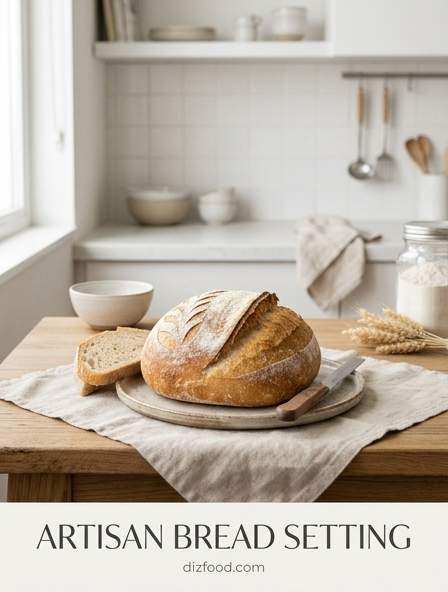
The Science of Long Fermentation
Long fermentation is the cornerstone of artisan bread, relying on a slow biological process where wild yeast and lactic acid bacteria break down complex starches. Unlike commercial breads that use high concentrations of yeast for rapid rising, artisan methods favor a "low and slow" approach. This extended period allows the microorganisms to fully penetrate the flour particles, neutralizing phytic acid and making the nutrients more bioavailable. As the dough rests, enzymes like amylase convert starches into simple sugars, providing a steady food source for the yeast over several hours or even days.
- Increased organic acid production (lactic and acetic acids).
- Natural strengthening of the gluten network through passive hydration.
- Creation of carbon dioxide bubbles that result in a lighter, airy crumb.
- Decomposition of complex proteins, which may improve digestibility.
The biological activity during long fermentation is highly sensitive to the environment. Maintaining a consistent, cool temperature ensures that the bacteria do not outpace the yeast, which would result in an overly sour or structurally weak dough. This delicate balance is what separates a standard loaf from a professional artisan product.
Enhancing Flavor Profiles with Time
Time is the most influential ingredient in the artisan baker's toolkit. During an extended proofing stage, particularly when conducted at cold temperatures (retardation), the chemical composition of the dough undergoes significant transformation. The secondary metabolites produced by bacteria-such as esters, aldehydes, and ketones-accumulate within the dough matrix. These compounds are responsible for the complex, nutty, and slightly tangy aromatic profile that characterizes high-quality sourdough and levain breads.
The flavor development can be categorized by the duration of the fermentation process:
- 4-6 Hours: Mild sweetness with subtle cereal notes.
- 12-24 Hours: Development of lactic acidity, providing a creamy, yogurt-like tang.
- 24-48 Hours: Sharp acetic acidity and deep, malted undertones.
When the bread is finally baked, these accumulated sugars and acids participate in the Maillard reaction more vigorously. This results in a crust that is not only darker but also possesses a multidimensional flavor that cannot be replicated by artificial additives or rapid-rise techniques. The result is a sensory experience that lingers on the palate long after the first bite.
Temperature Control for Superior Crusts
Achieving a professional-grade crust requires precise thermal management throughout the baking cycle. The interaction between the dough surface and the ambient heat of the oven determines the thickness, color, and texture of the exterior. Artisan bakers often utilize high-mass surfaces like baking stones or heavy cast iron to provide consistent radiant heat, which prevents the base from burning while the top remains pale.
| Baking Phase | Target Temperature | Desired Outcome |
|---|---|---|
| Initial Load | 450°F - 500°F | Maximum expansion (Oven Spring) |
| Mid-Bake | 400°F - 425°F | Moisture evaporation and setting |
| Final Curing | 375°F (Oven Off) | Dehydration for a crispy finish |
Humidity is equally critical. By introducing steam during the first ten minutes of the bake, the surface of the dough remains flexible. This prevents the crust from setting too early, allowing the loaf to expand to its full potential. Once the steam is released, the dry heat begins the process of crystallization, resulting in a thin, crackling crust that shatters when sliced.
Mastering High Heat Oven Spring
Oven spring is the final, dramatic burst of expansion that occurs when dough first hits the hot oven. This phenomenon is driven by the rapid heating of gases trapped within the gluten structure. As the internal temperature of the dough rises, the carbon dioxide produced during fermentation expands, and the water content turns into steam. To maximize this effect, the dough must be properly proofed; under-proofed dough will burst unevenly, while over-proofed dough may collapse.
- Preheat the oven and baking vessel for at least 45 minutes to ensure deep heat saturation.
- Score the dough with a sharp blade (lamé) to create intentional paths for steam to escape.
- Inject steam or use a sealed Dutch oven to maintain a high-moisture environment.
- Ensure the dough is transferred quickly to minimize heat loss from the oven.
The goal is to hit the dough with intense heat before the proteins coagulate and the starches gelatinize. This window of opportunity lasts only until the internal temperature reaches approximately 140°F, at which point the yeast dies and the structure becomes rigid. Mastering this timing is essential for creating the iconic "ear" and open structure seen in artisan loaves.
Achieving the Perfect Golden Toast
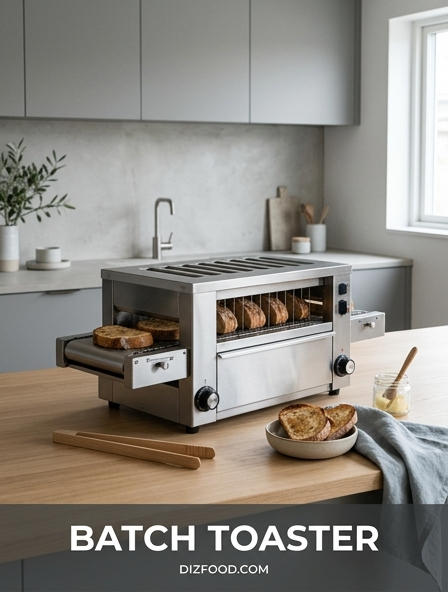
Toasting artisan bread is an art form that requires an understanding of moisture migration and heat distribution. Unlike standard white bread, artisan loaves have irregular crumb structures and varying density, meaning they react differently to heat. The perfect toast should feature a gradient of textures: a crisp, golden-brown exterior that gives way to a soft, warm, and slightly chewy interior. This is best achieved using radiant heat rather than high-speed convection.
- Slicing: Uniform thickness (approx. 3/4 inch) ensures even heat penetration.
- Surface Fat: A light coating of butter or olive oil can accelerate browning and add flavor.
- Residual Heat: Let the toast rest for 30 seconds after removal to allow the internal steam to stabilize.
The sugars developed during the long fermentation process are highly reactive when toasted. Because artisan dough often contains more complex sugars, it will brown at a lower temperature than processed bread. Careful monitoring is required to prevent the transition from golden brown to charred carbon, as the high mineral content in whole-grain artisan flours can lead to rapid burning if left unattended.
Enzymatic Development in Slow Doughs
Enzymes are the biological catalysts that drive the transformation of flour into bread. In slow-fermented artisan doughs, two primary enzymes are at work: amylase and protease. Amylase breaks down the long-chain starches in the flour into maltose and other simple sugars. This not only provides fuel for the yeast but also ensures there are enough residual sugars left after fermentation to produce a deep, caramelized crust during the bake.
Protease, on the other hand, focuses on the protein strands. It gently breaks down the gluten bonds, which might sound counterproductive, but is actually essential for extensibility. This "mellowing" of the gluten allows the dough to stretch without tearing, accommodating the large gas bubbles that create an open crumb structure.
- Amylase: Converts starch to sugar for yeast and browning.
- Protease: Increases dough extensibility and softens the texture.
- Phytase: Breaks down phytic acid, increasing mineral absorption.
Without the luxury of time, these enzymes cannot complete their work. This is why rapid-rise breads often feel heavy or "rubbery" compared to the light, melt-in-the-mouth quality of a properly aged artisan loaf. The enzymatic activity is a slow dance that defines the final texture.
Optimizing Heat for Maillard Browning
The Maillard reaction is a chemical reaction between amino acids and reducing sugars that gives browned food its distinctive flavor. In the context of artisan bread, this occurs most intensely on the crust. The high heat of the oven triggers a cascade of thousands of different flavor compounds, ranging from savory and toasted to floral and earthy. Optimizing this process requires a balance between temperature and the pH level of the dough.
| Temperature Range | Chemical Result | Flavor Profile |
|---|---|---|
| 285°F - 330°F | Maillard Reaction onset | Savory, toasted, malty |
| 330°F - 380°F | Caramelization of sugars | Sweet, nutty, bitter notes |
| Over 400°F | Carbonization | Burnt, acrid, smoky |
Artisan doughs with a lower pH (more acidic) tend to brown more slowly, allowing for a longer bake time which develops a thicker, more robust crust. Conversely, doughs with added sugars or milk will brown very quickly. To achieve the deep mahogany color without burning, bakers must adjust their oven temperatures according to the specific hydration and acidity levels of their dough batches.
Professional Secrets for Crumb Structure
The "crumb" refers to the pattern of holes and the texture inside the bread. Achieving a "wild" or open crumb-highly prized in artisan baking-requires a combination of high hydration and gentle handling. When the dough contains a higher percentage of water, it remains more fluid, allowing the CO2 bubbles to expand more easily. However, this high hydration makes the dough difficult to manage, requiring professional techniques like "coil folds" or "stretch and folds" instead of traditional kneading.
- Autolyse: Mix flour and water first to allow the gluten to hydrate before adding salt and yeast.
- Bulk Fermentation: Allow the dough to rise undisturbed to build internal pressure.
- Lamination: Fold the dough over itself to create organized layers of gluten.
- Cold Retardation: Proof the shaped loaf in the fridge to stiffen the dough for better scoring.
The secret lies in the preservation of the gases. Every time the dough is handled roughly, these precious bubbles are deflated. A professional baker moves with intention, using wet hands or scrapers to shape the loaf without degassing it, ensuring the final product is light, airy, and visually stunning when sliced open.
Advanced Toasting Techniques for Flavor
For the connoisseur, toasting artisan bread is more than just a convenience; it is a final culinary step that can alter the flavor profile of the grain. Advanced techniques involve using varying heat sources to achieve specific results. For instance, a cast-iron skillet provides a "sear" that mimics the original baking process, while a broiler creates a high-intensity radiant heat that caramelizes the tips of an open crumb while leaving the valleys soft.
- The Double-Toast Method: Toasting at a low heat to dry the interior, followed by a high-heat flash to brown the surface.
- Fat-First Toasting: Applying a high-smoke-point fat (like ghee) before heat exposure to create a fried-bread texture.
- Steam-Infused Toasting: Using a specialized toaster or oven setting that adds a burst of moisture to prevent the bread from becoming "crouton-like."
The complexity of artisan bread means it contains more moisture than commercial bread. Therefore, it requires a longer toasting cycle at a slightly lower temperature to ensure the center is warmed through before the exterior charring becomes excessive. This patience results in a superior contrast between the crunch of the crust and the pillowy interior.
The Intersection of Heat and Hydration
The relationship between the water content of the dough (hydration) and the baking temperature is the fundamental equation of artisan bread. High-hydration doughs (75%-85% water) are the hallmark of the artisan style, but they present unique challenges in the oven. The extra water requires more energy to evaporate, meaning these loaves often need a longer bake time at a higher initial temperature to prevent the center from remaining gummy.
- High hydration leads to larger, more translucent holes in the crumb.
- Intense heat converts excess water into the steam necessary for massive oven spring.
- Properly hydrated dough results in a "custardy" crumb texture that stays fresh longer.
If the heat is too low, the steam pressure will not be sufficient to lift the heavy, wet dough, resulting in a dense and flat loaf. Conversely, if the heat is too high without enough moisture, the crust will set prematurely, trapping the steam inside and causing the loaf to blow out at the bottom. Finding the "sweet spot" where heat perfectly balances the hydration level is the mark of a master baker.

Comments