
Understanding moisture management is essential for optimizing industrial and culinary processes, particularly when balancing the unique properties of wet steam and superheated vapor. Wet steam, characterized by its suspended water droplets, provides excellent heat transfer but can lead to unwanted condensation or soggy textures. Conversely, superheated vapor-often called dry steam-is heated beyond its saturation point to ensure a completely gaseous state, making it ideal for precision drying and high-temperature sterilization without adding excess moisture. Mastering the transition between these two states allows for superior control over product quality and equipment efficiency. To determine which energy source is right for your application, explore the critical distinctions in this guide on Dry Steam Vs. Wet Steam.
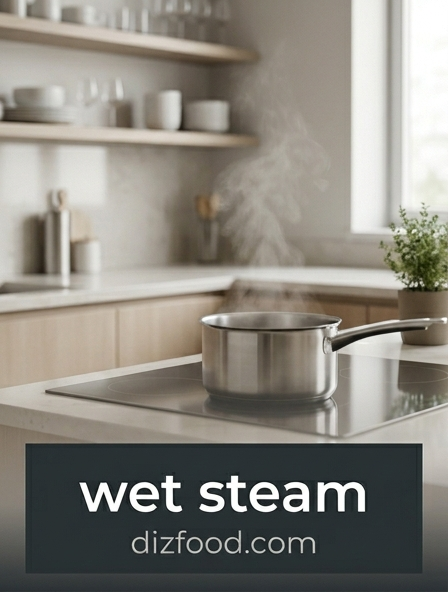
Wet Steam Basics for Professional Kitchens
Wet steam, often referred to as saturated steam, is the cornerstone of thermal processing in high-volume professional kitchens. Unlike dry steam, wet steam contains suspended water droplets, creating a highly conductive medium for energy transfer. In a culinary environment, this state occurs when water is heated to its boiling point at a specific pressure, resulting in a vapor that remains in equilibrium with the liquid phase. Chefs rely on this medium because it provides a gentle yet incredibly efficient way to cook delicate proteins and fibrous vegetables. By utilizing combi-ovens and industrial steamers, kitchens can precisely control the moisture content of the cooking atmosphere.
This control is essential for preventing the outer layers of food from drying out during the initial stages of cooking. Furthermore, the latent heat released during the condensation of wet steam onto the cold surface of food items allows for rapid temperature increases, significantly reducing overall cooking times compared to dry-air convection methods. The following characteristics define wet steam utility:
- Rapid heat transfer via condensation.
- Prevention of surface desiccation.
- Uniform temperature distribution within the chamber.
- Preservation of water-soluble vitamins and minerals.
The Science of Superheated Vapor
Superheated vapor represents steam that has been heated to a temperature significantly higher than the boiling point of water at a given pressure. In the context of advanced kitchen technology, this process involves taking saturated steam and adding more thermal energy, which evaporates any remaining liquid droplets. The result is a dry, gas-like substance that behaves differently than the wet steam found in traditional steamers. While saturated steam is limited to 100°C at sea level, superheated vapor can reach temperatures of 250°C or higher.
This state of matter is particularly effective for high-speed cooking and surface modification. When superheated vapor contacts food, it does not immediately condense like wet steam; instead, it transfers heat through high-energy molecular collisions. This enables the oven to mimic the effects of roasting while maintaining a controlled humidity level. Understanding the transition from saturated to superheated states allows chefs to manipulate the speed of thermal penetration and the degree of surface evaporation, providing a bridge between traditional steaming and dry-heat roasting techniques used in modern gastronomy.
Moisture Dynamics in Steam Cooking
The dynamics of moisture within a pressurized or atmospheric steam chamber dictate the final quality of the culinary product. As steam circulates, it seeks thermal equilibrium with the cooler surfaces of the ingredients. This leads to the formation of a thin liquid film, a process known as filmwise condensation. This film acts as a highly efficient conductor, delivering latent heat directly into the food. However, managing the relative humidity is crucial; if the environment becomes too saturated, the food may become waterlogged, losing structural integrity. Conversely, if the steam is too dry, moisture may migrate out of the food's cellular structure, leading to shrinkage.
| Moisture State | Kitchen Application | Resulting Texture |
|---|---|---|
| High Saturation | Poaching Fish | Silky and Moist |
| Low Saturation | Crust Formation | Crisp and Firm |
| Superheated | Browning/Roasting | Caramelized and Tender |
Surface Hydration and Wet Steam Benefits
Wet steam plays a vital role in surface hydration, particularly when preparing grains, legumes, and dough-based products. In professional baking, the introduction of wet steam during the initial stages of the bake prevents the crust from setting too early. This allows the dough to expand fully-a phenomenon known as oven spring-before the exterior hardens. Furthermore, for vegetables like asparagus or broccoli, the immediate hydration provided by wet steam helps maintain chlorophyll stability, resulting in a more vibrant green color.
The thin layer of moisture that forms on the surface also prevents the leaching of water-soluble nutrients, which is a common drawback of boiling. By enveloping the food in a saturated environment, the vapor creates a barrier that inhibits the evaporation of internal juices. This is especially beneficial for seafood and lean meats, where maintaining a high internal water activity is the difference between a succulent texture and a rubbery, overcooked result. Maintaining this hydration level is a primary goal in precision-controlled steam environments.
Superheated Vapor for Maillard Reaction
While traditional wet steam is incapable of inducing browning due to its temperature ceiling, superheated vapor facilitates the Maillard reaction with remarkable efficiency. The Maillard reaction-a chemical interaction between amino acids and reducing sugars-typically requires temperatures above 140°C. By utilizing superheated steam, chefs can achieve the complex flavors and golden-brown colors associated with roasting while simultaneously benefiting from the high heat-carrying capacity of water vapor.
This dual action is a hallmark of modern combi-oven technology. In this environment, the superheated vapor first dries the surface of the protein, allowing the temperature to rise sufficiently for browning to occur. Because the medium is still vapor-based, the heat transfer is more uniform than in a standard convection oven, reducing the risk of localized scorching. This technique is particularly useful for large-scale production of roasted meats and poultry, where consistent coloration and flavor development must be balanced with the need to minimize weight loss through excessive dehydration, ensuring high yields and quality.
Heat Transfer Efficiency in Vapor States
The efficiency of heat transfer in steam cooking is significantly higher than that of dry air. This is primarily due to the latent heat of vaporization. When wet steam condenses on a food surface, it releases a massive amount of energy-approximately 2,260 kilojoules per kilogram-without changing temperature. This phase change provides a surge of thermal energy that dry air, which relies solely on sensible heat, cannot match. To maximize this efficiency, kitchen staff must consider the following factors:
- Steam Velocity: Higher speeds increase the rate of condensation.
- Steam Purity: Impurities can insulate food from heat.
- Surface Area: Increased exposure speeds up the thermal process.
- Vapor Density: Higher density carries more energy per cubic meter.
In a professional setting, maximizing heat transfer efficiency leads to lower energy consumption and higher throughput. It allows for "flash" cooking, which preserves the structural integrity of delicate items like shellfish or leafy greens that would otherwise suffer from prolonged exposure to lower-intensity heat sources.
Maintaining Food Succulence with Saturated Steam
Saturated steam is the preferred medium for maintaining the natural succulence of ingredients that are prone to drying. In a professional kitchen, this is most evident when poaching fish or slow-cooking tough cuts of meat. The high humidity of a saturated steam environment ensures that the vapor pressure of the atmosphere matches or exceeds the vapor pressure at the food's surface, effectively stopping evaporation. This allows the internal temperature of the food to rise steadily without the loss of intracellular fluids.
For proteins, this environment facilitates the gentle breakdown of collagen into gelatin, which enhances the perceived moistness and "mouthfeel" of the dish. Moreover, saturated steam prevents the formation of a "skin" on sauces and purees held in steam tables. By keeping the surface hydrated, the culinary professional ensures that the texture remains consistent from the first serving to the last. This preservation of natural juices not only improves the sensory experience but also maximizes the yield by reducing shrinkage during the cooking process.
Dehydration Control Using Superheated Vapor
Though it sounds counterintuitive, superheated vapor can be used for controlled dehydration and crisping. When steam is heated well beyond the saturation point, its relative humidity drops significantly. In this state, it acts as a drying agent, but one with much higher thermal conductivity than dry air. This allows for a process called "impingement drying," where the high-velocity vapor strips moisture away from the surface of the food. This is used to create perfectly crisp skins on poultry or to dehydrate vegetable chips without the oxidation associated with hot-air drying.
The advantage of using superheated vapor for dehydration lies in its ability to exclude oxygen from the chamber. By replacing air with vapor, kitchens can prevent the browning of sensitive ingredients while they dry, preserving their natural colors and delicate volatile aromatics. This precision allows chefs to manipulate the moisture gradient within a food item, achieving a dry, crunchy exterior while keeping the interior moist and tender, a combination that is often difficult to achieve with conventional equipment.
Texture Optimization via Moisture Management
Texture is often the defining characteristic of a well-executed dish, and moisture management via steam is the key to its optimization. By toggling between wet steam and superheated vapor, chefs can precisely engineer the structural properties of food. For instance, in bread making, the initial application of wet steam ensures a flexible crust that can expand, while a subsequent shift to a drier, hotter vapor state promotes a crisp, vitreous texture. In vegetable cookery, the rapid heat transfer of wet steam softens cellulose and pectin quickly.
Effective moisture management allows for the following textural goals:
- Elasticity in steamed buns and dumplings.
- Flakiness in pastries and laminated doughs.
- Tenderness in braised proteins via humidity control.
- Snappy turgor in blanched greens.
By mastering the ratio of liquid water to vapor in the cooking chamber, the kitchen staff can ensure that every component of a meal reaches its ideal consistency. This level of control is what separates modern steam-assisted cooking from traditional, less precise boiling or roasting methods.
Advanced Steam Technology in Modern Cooking
Modern professional kitchens have been transformed by the integration of advanced steam technology. Current generation combi-ovens utilize sophisticated sensors to monitor both the temperature and the oxygen-to-moisture ratio within the cooking chamber. This allows for the automated transition between saturated steam, convection heat, and superheated vapor. Some systems even feature "flash steaming" capabilities, which can instantly saturate a chamber to stop the cooking process or to add a final burst of hydration before service.
These technological advancements have moved steam cooking beyond simple poaching and into the realms of precision roasting, baking, and even sous-vide style preparation without the need for plastic bags. As energy efficiency becomes more critical, the ability of steam to transfer heat rapidly and uniformly makes it an indispensable tool for the sustainable kitchen. The future of this technology lies in even more granular control over vapor pressure and molecular velocity, promising a new era of culinary consistency and textural innovation for chefs worldwide who demand absolute control over their medium.

Comments