
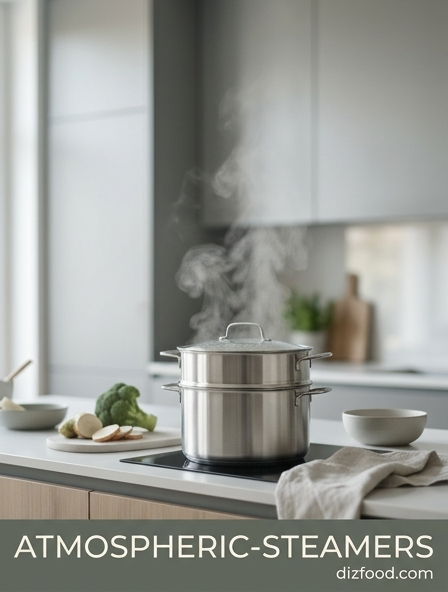
Benefits of Atmospheric Steaming
Atmospheric steamers operate at approximately 212°F without the added pressure of a sealed system. This method offers a safer and more user-friendly environment for commercial kitchen staff, as the doors can often be opened during the cooking cycle to check on progress. The gentle nature of atmospheric steam prevents the aggressive degradation of food fibers, ensuring that the integrity of the ingredients remains intact. These units are highly valued for their simplicity in maintenance and operation compared to high-pressure counterparts.
- Enhanced operator safety due to lack of pressurized steam buildup.
- Ability to monitor food quality without interrupting the heating cycle.
- Reduced mechanical complexity, leading to lower long-term maintenance costs.
- Uniform heat distribution that eliminates hot spots common in traditional boiling.
- Lower energy consumption compared to high-pressure steam systems.
By utilizing atmospheric steam, kitchens can achieve high-quality results across a wide variety of food groups. The natural movement of steam ensures that every pan receives equal heat, which is essential for consistent large-batch production. This technology remains a cornerstone for operations focusing on healthy, efficient, and reliable food preparation.
Preserving Nutrients and Natural Flavors
One of the primary advantages of using atmospheric steamers is the superior retention of essential vitamins and minerals. Unlike boiling, where water-soluble nutrients such as Vitamin C and B-complex are often leached into the cooking liquid and discarded, steaming keeps these vital components within the food. The atmospheric environment creates a moist atmosphere that prevents the food from drying out while concentrating the natural flavors of the ingredients.
| Nutrient Type | Boiling Retention | Steaming Retention |
|---|---|---|
| Vitamin C | Low (40-60%) | High (80-90%) |
| Folate | Moderate | Very High |
| Potassium | Leached into water | Maintained in tissue |
The absence of added fats or oils further supports a health-conscious menu. Because the food is not submerged, its inherent sugars and aromatic compounds are not diluted, resulting in a more robust and authentic taste profile. This makes atmospheric steaming the preferred choice for chefs who prioritize nutritional density and the clean, unadulterated flavor of their raw ingredients.
Achieving Consistent Texture in Vegetables
Consistency is the hallmark of a professional kitchen, and atmospheric steamers provide the precision necessary to master vegetable textures. The steady temperature of 212°F ensures that vegetables are cooked through without becoming mushy or waterlogged. This is particularly important for maintaining the "al dente" bite that consumers expect from premium side dishes. The process works by breaking down hemicellulose just enough to soften the plant walls while keeping the internal structure firm.
- Preheat the steamer to ensure an immediate start to the cooking process.
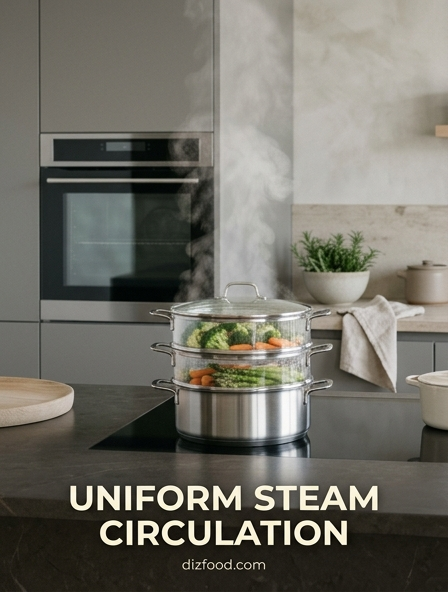
- Arrange vegetables in perforated pans to allow maximum steam circulation.
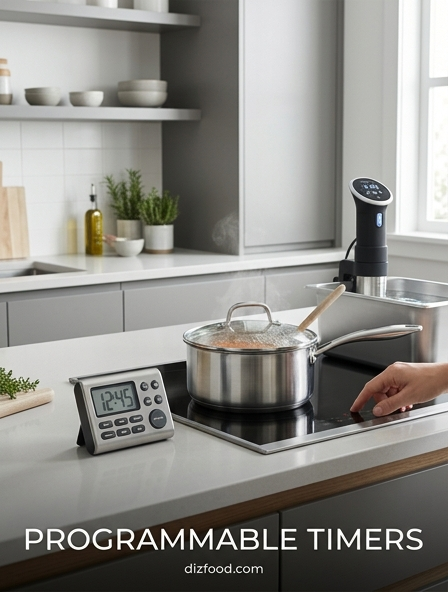
- Set precise timers based on the density of the specific vegetable.
- Remove items immediately and shock in ice water if not serving right away.
Whether preparing root vegetables like carrots or delicate stalks like asparagus, the atmospheric steamer provides a controlled environment that minimizes the risk of overcooking. By avoiding the turbulent motion of boiling water, the steamer protects the delicate surfaces of the vegetables, ensuring they look as good as they taste when they reach the customer's plate.
Enhancing Menu Versatility with Steam
While often associated with vegetables, atmospheric steamers are incredibly versatile tools capable of handling a diverse array of menu items. From grains and legumes to seafood and desserts, the applications are nearly limitless. The moist heat environment is perfect for rethermalizing prepared foods without the drying effects of a microwave or a traditional oven. This versatility allows chefs to experiment with different cuisines and techniques using a single piece of equipment.
- Perfectly fluffy rice and ancient grains like quinoa.
- Hard or soft-boiled eggs cooked in large batches.
- Delicate custards and cheesecakes that require a humid environment.
- Fresh pasta and dumplings cooked to precise specifications.
- Slow-steamed poultry for shredding or salads.
This flexibility makes the atmospheric steamer a multi-functional asset in both small bistros and large-scale catering operations. By consolidating multiple cooking tasks into one unit, kitchens can save space and reduce the need for specialized appliances. The ability to switch from steaming shellfish to proofing bread dough highlights the indispensable nature of this equipment in a modern culinary setting.
Optimizing Commercial Kitchen Workflows
Efficiency in a commercial kitchen is driven by the ability to multitask and manage high volumes of food under pressure. Atmospheric steamers contribute significantly to workflow optimization by providing a "set it and forget it" capability. Staff can load the steamer, set the timer, and focus on other prep tasks without the constant monitoring required for stovetop cooking. This reduces labor costs and minimizes the chance of human error during peak service hours.
- Rapid heat-up times reduce wait intervals between batches.
- Standardized cooking times across all pans ensure uniform output.
- Ease of cleaning with accessible drains and removable pan slides.
- Reduced heat emission into the kitchen compared to open burners.
The integration of atmospheric steamers into a production line allows for better synchronization between different kitchen stations. Since the steamer can hold multiple pans simultaneously, different components of a meal can be finished at the same time. This synchronization is vital for banquet service and high-volume cafeterias where timing and temperature control are paramount for food safety and customer satisfaction.
Superior Color Retention for Plating
The visual appeal of a dish is the first impression a guest receives, and vibrant colors are often synonymous with freshness. Atmospheric steamers excel at preserving the natural pigments in food, such as chlorophyll in green vegetables, carotenoids in carrots, and anthocyanins in purple cabbage. Unlike other cooking methods that can turn vegetables dull or gray, steaming locks in these colors by quickly neutralizing the enzymes that cause browning and degradation.
| Vegetable | Boiled Appearance | Steamed Appearance |
|---|---|---|
| Broccoli | Olive Green/Dull | Bright Emerald |
| Carrots | Pale Orange | Vibrant Neon Orange |
| Beets | Faded Crimson | Deep, Rich Purple |
The gentle heat prevents the cellular walls from rupturing excessively, which keeps the pigments trapped inside the food rather than bleeding out into the cooking medium. This result is particularly beneficial for plating aesthetics, where a pop of color can elevate the perceived value of a meal. Chefs rely on atmospheric steaming to ensure that every plate leaving the kitchen looks as vibrant and appetizing as possible.
Scaling Production for High Volume
For large-scale operations like hospitals, schools, and hotels, the ability to produce massive quantities of food consistently is non-negotiable. Atmospheric steamers are designed to accommodate multiple full-size pans, making them ideal for bulk preparation. Unlike traditional pots on a range, steamers can cook dozens of pounds of food at once with minimal intervention. This scalability is essential for meeting tight service windows in institutional feeding environments.
- Utilize stackable units to maximize vertical kitchen space.
- Standardize pan loads to ensure even steam penetration.
- Implement staggered loading to maintain a constant supply of fresh food.
- Use mobile pan racks to transport food directly from the steamer to service.
The reliability of atmospheric steamers ensures that the thousandth portion is identical to the first. This consistency is crucial for maintaining quality standards across large organizations. Furthermore, the simplified controls of these units allow for quick training of new staff, ensuring that high-volume production remains uninterrupted even during personnel transitions. The durability of these machines also supports the rigorous demands of 24/7 kitchen operations.
Gentle Cooking for Delicate Proteins
Proteins such as fish, shellfish, and chicken breasts require a delicate touch to avoid becoming tough or dry. The atmospheric steamer provides a moist, constant temperature that gently coagulates proteins without the harshness of high-heat searing or boiling. This results in a succulent, tender texture that is difficult to achieve through other methods. For seafood in particular, the steamer preserves the delicate flake of the fish and the natural sweetness of the meat.
- Prevents the tightening of muscle fibers in delicate fish fillets.
- Maintains the moisture content in lean poultry breasts.
- Ideal for poaching sausages without bursting the casings.
- Gently opens mussels and clams without overcooking the meat.
- Excellent for preparing terrines and pâtés.
Because the heat transfer in a steamer is highly efficient, cooking times are shorter than in a dry oven, which further protects the protein from moisture loss. This gentle approach is also beneficial for health-focused menus, as it eliminates the need for heavy poaching liquids or added fats. The result is a clean, protein-rich dish that showcases the quality of the source ingredient with minimal processing artifacts.
Reducing Shrinkage and Increasing Yields
In the commercial food industry, yield is directly tied to profitability. Traditional roasting or frying can lead to significant weight loss in food due to evaporation and fat runoff. Atmospheric steamers minimize this "shrinkage" by providing a high-humidity environment that prevents the surface of the food from drying out. When food retains its natural moisture, it retains its weight, leading to more portions per batch and a better bottom line.
| Food Item | Dry Heat Yield | Steam Yield |
|---|---|---|
| Salmon Fillet | ~75-80% | ~90-95% |
| Chicken Breast | ~70% | ~85% |
| Root Vegetables | ~80% | ~95% |
The financial impact of increased yields is substantial for high-volume operations. By reducing the amount of raw product needed to reach a specific serving weight, kitchens can lower their food cost percentage significantly. Additionally, the improved moisture retention ensures that the food remains palatable even if held in a warming cabinet for a period before service, reducing food waste and enhancing the guest experience.
Streamlining Diverse Culinary Applications
Beyond the standard cooking of raw ingredients, atmospheric steamers are indispensable for a variety of secondary culinary tasks. They are frequently used for defrosting frozen products quickly and safely, as the steam provides a more uniform heat transfer than air. They are also excellent for proofing bread dough, where the controlled humidity prevents the crust from forming too early. This versatility allows the steamer to be active throughout the entire workday, from early morning prep to late-night cleaning.
- Quickly reheating pre-cooked vac-pack components.
- Melting chocolate or butter in large quantities.
- Blanching tomatoes or peaches for easy peeling.
- Sanitizing small kitchen tools or jars for preserving.
- Rehydrating dried mushrooms or sun-dried tomatoes.
The ability to handle these diverse tasks streamlines the entire kitchen operation, reducing the need for extra pots, pans, and stovetop space. By centralizing these functions in the atmospheric steamer, chefs can create a more organized and efficient workspace. This all-in-one capability ensures that the equipment provides a high return on investment, serving as a workhorse for nearly every aspect of food preparation and service.

Comments