
The Roots of Traditional Steaming Methods
The practice of using organic barriers in steaming dates back thousands of years, primarily originating in East Asian culinary traditions. Before the invention of processed parchment or silicone mats, cooks relied on the surrounding flora to protect delicate foods from the direct heat of bamboo baskets and clay pots. This methodology was born out of necessity but evolved into a sophisticated culinary technique that prioritizes both function and flavor.
Traditional steaming utilizes the natural moisture of the plant material to create a micro-environment that gently cooks proteins and starches. By placing items like dumplings, fish, or sticky rice atop a vegetative layer, chefs ensured that the food remained hydrated while absorbing subtle earthy notes. Various cultures have utilized different materials depending on regional availability:
- Lotus leaves for aromatic rice parcels.
- Banana leaves for savory tamales and grilled fish.
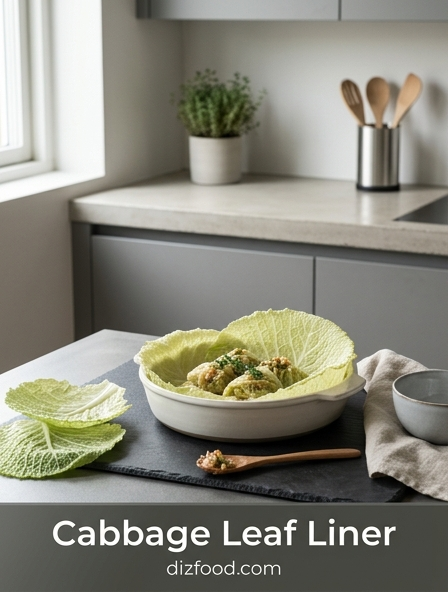
- Cabbage leaves for dumplings and steamed buns.
- Corn husks for traditional Mesoamerican dishes.
These historical roots highlight a period when the kitchen was fully integrated with nature, using biodegradable resources to achieve perfect textures that modern synthetic alternatives often struggle to replicate effectively.
The Eco-Friendly Alternative to Parchment Paper
In the modern quest for a sustainable kitchen, the cabbage leaf stands out as a superior ecological alternative to single-use parchment paper. While parchment is often coated with silicone or bleached with chemicals to provide non-stick properties, cabbage leaves are entirely unprocessed and biodegradable. Utilizing vegetable liners reduces the carbon footprint associated with manufacturing and transporting paper goods, offering a circular solution to kitchen waste.
When comparing cabbage leaves to standard kitchen disposables, the environmental advantages become clear. Unlike parchment, which often ends up in landfills because it cannot be composted if contaminated with heavy oils, cabbage leaves are fully compostable or even edible after the cooking process is complete. This dual-purpose nature makes them an essential tool for zero-waste enthusiasts.
| Feature | Parchment Paper | Cabbage Leaf |
|---|---|---|
| Biodegradability | Slow/Partial | Fast/Complete |
| Chemical Coating | Silicone/Bleach | None (Natural) |
| Waste Output | Single-use Trash | Compostable/Edible |
| Cost | Recurring Expense | Low/Byproduct |
Flavor Infusion through Natural Cabbage Liners
Beyond its utility as a physical barrier, a cabbage leaf acts as a subtle seasoning agent during the steaming process. As the temperature rises within the bamboo steamer, the cellular structure of the cabbage breaks down, releasing mild volatile compounds and natural sugars. These elements are carried by the rising steam and gently infused into the surface of the food being cooked. This provides a layer of complexity that synthetic liners simply cannot offer.
The flavor profile imparted by a cabbage liner is typically described as sweet, earthy, and slightly nutty. For seafood, this infusion helps to neutralize overly "fishy" odors, replacing them with a clean, garden-fresh aroma. When used with dumplings or dim sum, the cabbage prevents the dough from tasting overly floury or bland. The synergy between the steam, the leaf, and the ingredient creates a holistic flavor profile that honors the integrity of the raw materials, ensuring that every bite is seasoned from the outside in with natural botanical essences.
Preserving Culinary Traditions with Sustainable Materials
The use of cabbage leaves in the kitchen is more than a mere cooking hack; it is an act of cultural preservation. Many traditional recipes for dumplings and buns specifically call for cabbage liners to maintain the authentic "bite" of the finished product. By adhering to these sustainable materials, modern cooks keep alive the wisdom of previous generations who understood how to work in harmony with the seasons and the land. This practice bridges the gap between ancient heritage and contemporary sustainability goals.
As culinary trends shift toward "farm-to-table" and "ancestral eating," the cabbage leaf serves as a reminder that the most effective tools are often found in the produce aisle rather than the hardware store. Maintaining these traditions ensures that the sensory experience of traditional cooking-the smell of wilted greens, the sight of a vibrant green liner, and the clean release of a steamed bun-is not lost to the convenience of the industrial age. It encourages a slower, more mindful approach to food preparation that respects both the ingredient and the environment.
A Zero-Waste Approach to Bamboo Steaming
Bamboo steaming is inherently efficient, but the addition of cabbage leaf liners elevates it to a truly zero-waste practice. In a professional or domestic kitchen, the outer leaves of a cabbage head are frequently discarded because they are too tough for salads or stir-fries. However, these sturdy outer layers are perfect for lining steamer baskets. By repurposing these "scraps," the cook maximizes the utility of the entire vegetable, ensuring that nothing goes to waste.
This approach fits perfectly into a circular kitchen economy. Once the steaming is finished, the cook has several options for the used liner. If the steaming time was short, the cabbage remains crisp enough to be shredded and added to a soup or a secondary stir-fry. If the steaming process was long and the leaf is highly wilted, it can be added to a compost bin where it will break down into nutrient-rich soil in a matter of weeks. This creates a closed-loop system where the byproduct of one meal becomes the fuel for the next generation of garden vegetables, eliminating the need for plastic-lined trash bags.
How Cabbage Leaves Prevent Sticking Naturally
One of the primary challenges in steaming dough-based foods is the tendency for the items to fuse to the steamer's surface. Cabbage leaves solve this problem through their unique physical properties. The surface of a cabbage leaf is naturally hydrophobic, characterized by a waxy cuticle that prevents water from saturating the leaf tissue. This natural coating acts as a non-stick surface, allowing dumplings and buns to slide off easily without tearing their delicate skins.
Furthermore, cabbage leaves do not absorb the starches released by steaming dough. When a dumpling is placed on a paper liner, the paper can sometimes become soggy and adhere to the dough. In contrast, the rigid yet flexible structure of the cabbage leaf maintains its integrity even under high heat and moisture. It provides just enough separation to allow steam to circulate around the base of the food while ensuring that the bottom remains intact. This natural "release" mechanism is highly valued by chefs who require perfection in the presentation of translucent har gow or fluffy baozi.
The Health Benefits of Steaming with Organic Liners
Cooking with organic cabbage liners offers several health advantages that are often overlooked. Modern non-stick surfaces and bleached parchment papers can sometimes release trace amounts of chemicals or synthetic polymers when exposed to high heat over long periods. By using a whole-food liner like cabbage, you eliminate the risk of chemical leaching, ensuring that your meal remains as pure as possible. This is particularly important for those following a clean-eating or paleo lifestyle.
Additionally, steaming is widely recognized as one of the healthiest cooking methods because it preserves the water-soluble vitamins (such as Vitamin C and B vitamins) that are often lost during boiling. When you use a cabbage liner, you are essentially cooking your food in a nutrient-rich environment. While the food primarily absorbs the steam, the presence of the vegetable liner ensures that no metallic or plastic taints interfere with the nutritional profile. It is a chemical-free, nutrient-dense way to prepare food that aligns with holistic health principles and provides peace of mind for the health-conscious home cook.
Selecting the Best Cabbage Varieties for Cooking
Not all cabbages are created equal when it comes to lining a steamer. The choice of variety depends on the size of the steamer basket and the fragility of the food being cooked. Selecting the right leaf ensures a perfect fit and the desired flavor influence. Here are the most common varieties used in professional kitchens:
- Napa Cabbage: Known for its elongated shape and thin, crinkled leaves. It is highly flexible and ideal for wrapping around fish or small dumplings.
- Savoy Cabbage: Features beautiful, textured, deep-green leaves. It is very sturdy and can withstand long steaming times without tearing, making it perfect for heavy buns.
- Green Cabbage: The standard kitchen staple. Its smooth, thick leaves are excellent for large steamer baskets, though the thick ribs may need to be trimmed for a flat surface.
- Bok Choy: While technically a cabbage, the individual leaves are best used for small, single-serving portions of seafood or as a decorative base.
Selecting a fresh, organic head of cabbage ensures that the leaves are free from pesticides and have a high moisture content, which is essential for effective steaming.
Step-by-Step Preparation for Leaf-Based Steaming
Preparing cabbage leaves for use as steamer liners is a simple process that requires minimal effort but significantly improves the quality of the cook. Proper preparation ensures the leaves sit flat and provide an even surface for the food items.
- Selection: Remove the large, outer leaves of the cabbage. These are the most durable and provide the best coverage.
- Washing: Rinse the leaves thoroughly under cold running water to remove any grit or organic debris.
- De-ribbing: Use a paring knife to shave down the thick central vein or rib of the leaf. This allows the leaf to lie flat in the steamer basket.
- Blanching (Optional): For very stiff leaves, a 30-second dip in boiling water makes them more pliable and easier to arrange.
- Perforation: If using a single large leaf that covers the entire bottom, poke a few small holes in it with a chopstick to allow steam to rise freely.
- Layering: Place the leaves in the bamboo or metal steamer, ensuring no gaps are left where food might touch the basket.
Integrating Heritage Techniques into Modern Kitchens
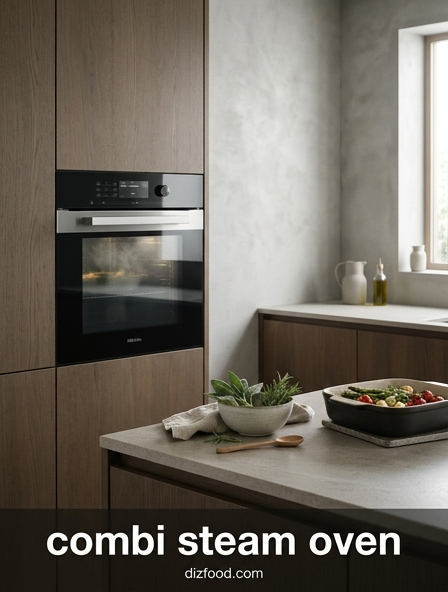
Integrating the use of cabbage leaf liners into a modern kitchen is a seamless way to combine high-tech convenience with old-world wisdom. Even when using advanced electric steamers or convection steam ovens, the addition of a natural liner can enhance the results. Modern appliances provide precise temperature control, but they often lack the aromatic nuances that a natural barrier provides. By placing a cabbage leaf inside a state-of-the-art steam oven, you bring a rustic, artisanal quality to the dish.
This integration also serves as a conversation starter in contemporary dining settings. Serving a dish directly on its steaming leaf adds a visual element of "nature on a plate," which is a hallmark of modern plating aesthetics. It demonstrates a chef's commitment to ingredient-driven cooking and environmental responsibility. As we move forward into a future where sustainable practices are no longer optional, looking back to these heritage techniques provides a roadmap for a kitchen that is both innovative and deeply rooted in the natural world.

Comments