
Modernizing your kitchen is about more than just aesthetics; it's about achieving peace of mind through advanced technology. By choosing appliances with modern auto-shutoff features, you significantly improve kitchen safety and cooking accuracy, effectively eliminating the stress of accidental overheating or dry-boiling. These intuitive systems act as a fail-safe, automatically powering down once the timer hits zero or the water reservoir runs low, ensuring your ingredients are perfectly prepared every time. This proactive approach to home cooking prevents burnt meals and reduces fire risks, allowing you to multitask with confidence. Discover how these features influence your choice in our breakdown of Electric Steamer Vs. Stovetop Steamer.
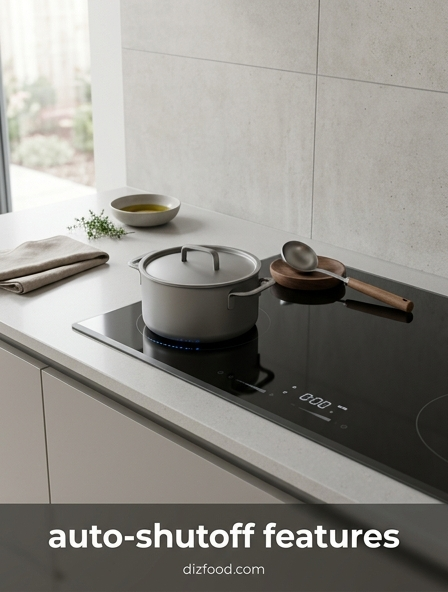
The Role of Auto-Shutoff in Modern Steaming
In the contemporary kitchen, the integration of auto-shutoff features has revolutionized the way we approach steam cooking. Traditionally, steaming required constant vigilance to ensure that water levels remained adequate and that food did not become waterlogged or burnt. Modern electric steamers have removed this burden by incorporating internal mechanisms that monitor the cooking cycle. This advancement allows home cooks to engage in other household tasks without the constant need to hover over the stove. The role of auto-shutoff extends beyond mere convenience; it serves as a foundational element of the "set and forget" culinary philosophy that defines modern appliance design.
By automating the conclusion of the cooking process, these devices ensure that the application of heat is precise and purposeful. This technology reflects a broader shift toward intelligent kitchenware that prioritizes user experience and reliable outcomes. As steaming remains one of the healthiest methods of food preparation, the inclusion of auto-shutoff ensures that this method is accessible to busy individuals who might otherwise avoid time-intensive cooking techniques. Ultimately, this feature acts as a bridge between professional-grade precision and the everyday needs of the domestic environment.
Preventing Dry Boiling in Electric Steamers
One of the most significant risks associated with electric steamers is the phenomenon of dry boiling. This occurs when the water reservoir is completely depleted while the heating element remains active, potentially leading to melted plastic, damaged coils, or internal electrical failure. Auto-shutoff technology serves as the primary defense against this hazard. Sensors within the unit detect when moisture levels drop below a critical threshold and immediately interrupt the power flow to the heating component.
- Protects the longevity of the heating element by preventing thermal stress.
- Minimizes the risk of structural damage to the steamer's water basin.
- Reduces the likelihood of emitting toxic fumes from overheated materials.
- Provides an audible alert to notify the user that a refill is required.
Without these preventative measures, a simple oversight could result in the permanent destruction of the appliance. The transition from mechanical timers to water-level sensors has significantly increased the durability of kitchen electronics. By ensuring the device never operates in a dry state, manufacturers can guarantee a longer lifecycle for their products, providing better value and safety for the consumer.
How Smart Sensors Enhance Kitchen Safety
Smart sensors are the technical backbone of the auto-shutoff feature, functioning as the "eyes" of the appliance. These sensors are designed to monitor various parameters, including internal temperature, steam pressure, and liquid volume. When a sensor detects an anomaly-such as a temperature spike that indicates a lack of water-it triggers a digital signal to the control board to cut power. This instantaneous reaction is far faster and more reliable than human intervention could ever be, especially in a distracting kitchen environment.
Beyond preventing damage to the device, these sensors play a crucial role in overall household safety. They are engineered to distinguish between the high heat required for active steaming and the dangerous overheating associated with a malfunction. This level of sophistication ensures that the appliance remains a helpful tool rather than a potential liability. As sensor technology continues to shrink in size and cost, it is becoming a standard requirement for all high-heat kitchen tools, moving from a premium luxury to an essential safety baseline that protects families from preventable accidents.
Achieving Perfect Texture with Precision Timing
Culinary excellence in steaming is often a matter of seconds; over-steaming can turn crisp vegetables into a mushy consistency and render delicate seafood rubbery. Auto-shutoff features, when paired with precision digital timers, allow users to hit the exact window of peak texture. Once the programmed duration is reached, the heat source is deactivated immediately, stopping the cooking process and preventing the residual heat from degrading the food's structural integrity.
| Food Item | Optimal Time | Auto-Shutoff Benefit |
|---|---|---|
| Asparagus | 5-7 Minutes | Maintains snap and bright green color. |
| White Fish | 8-10 Minutes | Prevents flaking and drying out. |
| Dumplings | 12-15 Minutes | Ensures dough is firm, not soggy. |
This level of control is particularly beneficial for complex meals where multiple components must be ready at the same time. By relying on the machine to terminate the heat, the cook can focus on plating and presentation, confident that the texture of the main dish is being preserved by the appliance's internal logic.
Reducing Fire Hazards with Automatic Power Cutoffs
Kitchen fires are a leading cause of domestic property damage, often sparked by appliances left unattended. Auto-shutoff and power cutoff features are critical in mitigating these risks. In the context of steaming, where high wattage is used to boil water rapidly, the potential for electrical overheating is a constant reality. If a circuit malfunctions or a device is accidentally left on after the water has evaporated, the automatic power cutoff acts as a fail-safe to prevent the ignition of nearby materials.
These systems are often redundant, featuring both thermal fuses and digital logic controllers. If the digital sensor fails to register the shut-off command, the physical thermal fuse will melt at a specific temperature, physically breaking the electrical circuit. This multi-layered approach to safety ensures that even in the event of a primary component failure, the risk of a fire remains extremely low. For homeowners, this means a significantly reduced risk of catastrophic accidents, making the modern electric steamer one of the safest high-heat appliances available in the contemporary market today.
Energy Efficiency Benefits of Auto-Shutoff Tech
Energy efficiency is a growing concern for modern consumers, and auto-shutoff features contribute significantly to reducing a household's carbon footprint. Conventional stovetop steaming often results in wasted energy, as the burner may remain on long after the food has reached its ideal temperature or while the cook is busy elsewhere. Electric steamers with auto-shutoff ensure that energy is consumed only for the exact duration required to complete the culinary task. This precision eliminates the "idling" phase of cooking where electricity is drawn without any benefit to the meal.
Furthermore, many modern steamers utilize a "keep warm" function that operates at a much lower wattage than the active steaming phase. Once the auto-shutoff terminates the high-intensity boiling, the device switches to a pulse-heating mode that uses minimal power. This transition not only saves money on monthly utility bills but also reduces the overall strain on the local electrical grid. By automating the end of the energy-intensive cycle, these appliances align kitchen practices with broader environmental goals of conservation and responsible resource management.
Eliminating Overcooked Meals in the Modern Kitchen
The frustration of a ruined meal is a common kitchen grievance, particularly with steaming where the difference between "done" and "overdone" is subtle. Auto-shutoff technology effectively eliminates the human error associated with timing. In a busy household, it is easy to lose track of a manual timer or fail to hear a distant alarm. Because the auto-shutoff feature physically stops the cooking process rather than just making a sound, it provides a definitive end to the heat exposure.
This feature is a boon for novice cooks who may not yet have developed the intuition to judge food readiness by sight or smell. It provides a safety net that guarantees a baseline level of quality for every meal. For experienced chefs, it provides the freedom to multitask across complex recipes without the mental load of monitoring a simmering pot. By standardizing the cooking duration through mechanical or digital intervention, the modern kitchen becomes a place of consistency and reliability, where the quality of the meal is no longer tethered to the cook's ability to watch the clock.
Smart Technology for Worry Free Steam Cooking
The psychological benefit of "worry-free" cooking cannot be overstated. Kitchen anxiety often stems from the fear of making a mistake that could lead to a mess, a ruined dinner, or a safety hazard. Auto-shutoff technology addresses these concerns directly, providing peace of mind to the user. Knowing that the appliance will handle the most critical safety and timing aspects of the process allows the cook to enjoy the creative side of food preparation. This sense of security is especially important in households with children or elderly members, where distractions are frequent and safety is a top priority.
As smart home ecosystems become more prevalent, these features are often integrated with mobile notifications. A steamer might not only shut itself off but also send a push notification to the user's smartphone, confirming that the cycle is complete. This integration of hardware safety and software connectivity represents the pinnacle of modern kitchen convenience. It transforms the act of cooking from a high-stakes chore into a controlled, automated, and stress-free experience that fits seamlessly into a high-tech lifestyle.
The Evolution of Safety Features in Kitchenware
The journey of kitchen safety has moved from manual observation to sophisticated automation. In the early days of steaming, safety was entirely dependent on the person standing at the stove. The introduction of mechanical whistle alerts was the first step toward notification, but it did nothing to stop the heat. The evolution can be traced through several key stages:
- Manual monitoring and stovetop control.
- Mechanical timers that provide audible alerts.
- Basic thermal cutoffs that react to extreme heat.
- Digital sensors that monitor moisture and pressure in real-time.
- Integrated smart systems that communicate with home networks.
Each stage of this evolution has focused on reducing the reliance on human intervention. Modern auto-shutoff features represent the culmination of decades of engineering focused on heat management and electrical safety. Today's consumers expect these features as a standard component of any quality appliance, reflecting a mature market that values protection as much as performance. This historical progression has made the modern kitchen a far safer environment than those of previous generations.
Maintaining Food Nutrients through Accurate Steaming
Steaming is widely regarded as one of the best ways to preserve the nutritional profile of food, as it avoids the leaching of vitamins that occurs during boiling. However, excessive heat exposure can still degrade sensitive phytonutrients and antioxidants. Auto-shutoff features play a vital role in health by ensuring that food is not subjected to high temperatures for a second longer than necessary. By terminating the steam exactly when the food is cooked, the appliance helps lock in water-soluble vitamins like Vitamin C and various B vitamins.
When vegetables are over-steamed, their cellular structure breaks down, leading to the loss of both fiber quality and nutrient density. The precision offered by automatic shut-off ensures that the heat remains a tool for bio-availability rather than a cause of nutrient destruction. For those who prioritize a nutrient-dense diet, the accuracy of an automated steamer is an essential component of their wellness routine. It ensures that the effort put into sourcing high-quality, organic ingredients is not wasted by improper cooking techniques, delivering a final product that is as healthy as it is delicious.

Comments