
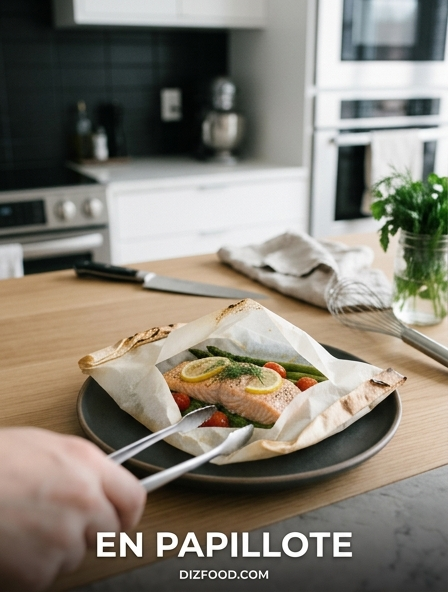
The Magic of En Papillote
En papillote, a French culinary term translating to "in paper," represents one of the most elegant yet straightforward techniques in the professional kitchen. This method involves sealing fresh ingredients inside a folded pouch of parchment paper before placing them in a hot oven. As the heat rises, the moisture trapped within the protein and accompanying vegetables transforms into steam. This creates a pressurized environment that cooks the food gently and evenly, ensuring that nothing dries out. The result is a self-contained ecosystem where flavors mingle and intensify without the need for excessive fats or heavy sauces.
Beyond the functional benefits of moisture retention, the magic of this technique lies in the dramatic sensory experience it provides. When the parchment hits the oven's high heat, the trapped air expands, causing the pouch to puff up like a golden brown pillow. This visual transformation signals that the ingredients have reached peak succulence. Common benefits of this method include:
- Concentrated natural flavors that are not diluted by boiling water.
- The ability to cook entire meals simultaneously in a single vessel.
- An impressive, theatrical presentation suitable for both home dining and fine restaurants.
- Minimal cleanup, as the parchment serves as both the cooking and serving medium.
Essential Tools for French Steaming
While the concept of steaming in paper is ancient, achieving a professional result requires a specific set of tools designed to withstand high temperatures and maintain a tight seal. The most critical component is high-quality kitchen parchment paper, which is treated with silicone to provide a non-stick surface that is resistant to moisture. Unlike wax paper, parchment can handle temperatures up to 450 degrees Fahrenheit without scorching or releasing off-flavors into your food. A pair of sharp kitchen shears is also necessary for trimming the paper into precise shapes to ensure an airtight crimp.
In addition to the paper, a sturdy baking sheet is required to provide a flat, stable surface for the pouches. This ensures even heat distribution from the bottom up. For those who prefer a reusable approach, modern silicone cases have been developed, though many purists argue they lack the aesthetic charm of traditional paper. Essential tools include:
| Tool | Primary Function |
|---|---|
| Parchment Paper | Creates the breathable, heat-resistant seal. |
| Kitchen Shears | Used to cut the classic heart shape for folding. |
| Rimmed Baking Sheet | Provides stability and catches potential leaks. |
| Pastry Brush | Applies oil or egg wash to reinforce the paper seal. |
Selecting the Perfect Protein
The success of an en papillote dish depends heavily on selecting the right protein. Because the technique relies on rapid steaming, ingredients must be able to cook through within a relatively short window of ten to fifteen minutes. This makes delicate seafood the premier choice for the parchment method. White fish such as cod, tilapia, halibut, and sole are traditional favorites because their flaky texture absorbs aromatics beautifully. Shellfish, particularly shrimp and scallops, also thrive in this environment, emerging tender and plump rather than rubbery.
Poultry can also be used effectively, provided it is prepared correctly. A thick chicken breast may take too long to cook, potentially overcooking the accompanying vegetables. To avoid this, chefs often slice chicken into thin cutlets or "paillards" to ensure the meat reaches a safe temperature at the same time the steam builds. When selecting proteins, consider these ideal candidates:
- Thin fillets of salmon or trout for a rich, buttery finish.
- Sea bass or red snapper for a firm, meaty texture.
- Peeled and deveined jumbo shrimp for quick, high-impact meals.
- Firm tofu steaks for a vegetarian alternative that absorbs steam-infused spices.
Aromatics and Flavor Infusion
Because the en papillote environment is hermetically sealed, aromatics play a much larger role than they do in open-air roasting. Every herb, spice, and citrus zest placed inside the pouch will permeate the protein thoroughly as the steam circulates. This is not the time for heavy, dry rubs; instead, focus on fresh, high-moisture aromatics that will release their essential oils under the pressure of the steam. A single sprig of thyme or a slice of ginger can perfume an entire fillet, creating a sophisticated flavor profile with very little effort.
Liquids are equally important in the infusion process. While the ingredients release their own juices, adding a small amount of liquid helps jumpstart the steaming process. This liquid serves as the base for a light "jus" that forms at the bottom of the bag. Popular aromatic combinations include:
- Lemon slices, fresh dill, and a splash of dry white wine for classic seafood.
- Ginger, scallions, and a dash of soy sauce for an East Asian-inspired profile.
- Garlic cloves, rosemary, and a pat of high-quality butter for savory richness.
- Orange zest and fennel fronds to complement delicate white fish like branzino.
The Art of the Parchment Fold
The most technical aspect of the en papillote method is the folding process. Without a proper seal, steam escapes, and the food will roast rather than steam, leading to a dry and uninspired result. The traditional French method begins with a large rectangular sheet of parchment paper folded in half. Using shears, the cook cuts a large half-heart shape out of the folded paper. When unfolded, this creates a full heart, which provides the necessary geometry for a curved, airtight seam that follows the contours of the food.
To seal the pouch, one must use a series of small, overlapping folds, much like crimping the edge of a pie crust. Starting at the top of the heart, the edges are folded over and pressed down firmly, with each subsequent fold locking the previous one in place. Follow these steps for a perfect seal:
- Place the protein and vegetables on one side of the heart, near the center fold.
- Fold the other half of the heart over the food, aligning the edges perfectly.
- Beginning at the rounded top, make a small diagonal fold and crease it sharply.
- Continue making tight, overlapping folds around the entire perimeter until you reach the point of the heart.
- Twist the final point several times to lock the entire structure.
Preserving Nutrients and Moisture
Cooking en papillote is widely regarded as one of the healthiest culinary techniques available. Unlike frying or sautéing, which often require significant amounts of oil or butter to prevent sticking and add flavor, steaming in paper relies on the internal moisture of the food. This means that water-soluble vitamins, such as Vitamin C and various B vitamins, are retained within the pouch rather than being leached out into boiling water or lost to the high dry heat of a grill. The gentle nature of the steam also prevents the formation of charred compounds often associated with high-heat searing.
Furthermore, the parchment barrier protects delicate proteins from the harsh, direct radiant heat of the oven. This preservation of moisture ensures that even the leanest fish remains succulent. By cooking in a closed system, you are essentially poaching the food in its own concentrated juices. This results in a dish that is:
- Lower in overall calories due to the reduction of added fats.
- Rich in natural minerals and enzymes that remain intact through gentle heating.
- Hydrated and tender, which aids in digestion and enhances the natural mouthfeel.
- Intensely flavorful, requiring less salt to achieve a satisfying taste.
Optimal Temperatures for Succulence
Temperature control is the final variable in mastering the en papillote technique. Because the goal is to generate steam rapidly to puff the bag, a moderately high oven temperature is required. Most chefs recommend a range between 375°F and 425°F (190°C to 220°C). If the oven is too cool, the steam will not build enough pressure to inflate the pouch, resulting in a flat, soggy presentation. Conversely, if the oven is too hot, the parchment may become brittle and char before the internal temperature of the protein reaches safety levels.
Timing is also critical. Because you cannot see or touch the food while it is inside the sealed pouch, you must rely on standardized cooking durations and the visual cue of the puffed paper. Generally, a standard fish fillet takes between 10 and 12 minutes. The following table provides a general guide for various proteins:
| Protein Type | Oven Temp (°F) | Time (Minutes) |
|---|---|---|
| Thin White Fish | 400°F | 8-10 |
| Salmon Fillet | 400°F | 12-15 |
| Shrimp/Scallops | 425°F | 7-9 |
| Chicken Paillard | 375°F | 15-18 |
Seasonal Vegetables for Steaming
The vegetables included in an en papillote parcel serve two purposes: they provide a nutritional balance to the protein and act as a flavorful bed that prevents the meat from sticking to the paper. However, because the cooking time is short, the choice of vegetables must be strategic. Hard root vegetables like carrots or potatoes will remain crunchy and undercooked unless they are sliced into paper-thin rounds or julienned into matchsticks. Soft, water-heavy vegetables are the most compatible with the steam-heavy environment of the parchment bag.
Spring and summer offer the best variety for this technique, as tender greens and young stalks cook at roughly the same rate as a piece of fish. When selecting your produce, consider how the steam will affect the texture. Ideal seasonal choices include:
- Asparagus spears with the woody ends trimmed off.
- Zucchini or summer squash sliced into thin coins.
- Snap peas or English peas for a pop of sweetness and color.
- Bell peppers julienned to ensure they soften quickly.
- Baby spinach or kale, which wilts into a flavorful sauce-base.
Finishing Touches and Sauces
While the steaming process creates a natural jus, the dish often benefits from a "bright" finishing touch applied immediately after the pouch is opened. Since the cooking environment is sealed, it lacks the caramelization and Maillard reaction found in roasting. To compensate for this, chefs often use acidic or fatty components to round out the flavor profile. A cold pat of compound butter placed on top of the hot fish will melt instantly, creating a luxurious sauce when mixed with the accumulated steam juices. Freshness is key at this stage to contrast the deep, concentrated flavors of the steam.
The addition of raw elements after cooking provides a textural contrast to the soft, tender ingredients inside the bag. Consider these finishing techniques to elevate the final dish:
- A squeeze of fresh lemon or lime juice to cut through the richness.
- A drizzle of high-quality extra virgin olive oil or toasted sesame oil.
- A sprinkle of flaky sea salt and cracked black pepper for texture.
- Finely minced chives, parsley, or cilantro added at the very last second.
- A spoonful of capers or olive tapenade for a salty, Mediterranean punch.
Mastering the Perfect Presentation
The true allure of cooking en papillote is the presentation. In fine dining, the parchment pouch is often brought to the table whole and placed directly on the guest's plate. This allows the diner to participate in the final stage of the cooking process. The most dramatic moment occurs when the bag is punctured, releasing a concentrated cloud of aromatic steam directly toward the diner. This immediate olfactory impact sets the stage for the meal and ensures the food is eaten at its absolute peak temperature.
To master this presentation, the server or the host should follow a specific protocol to ensure safety and aesthetic appeal. The goal is to open the pouch cleanly without tearing the paper into unsightly scraps. The recommended steps for a professional table-side service include:
- Place the puffed, golden-brown pouch on a warmed dinner plate.
- Using a sharp knife or kitchen shears, carefully slit the top of the parchment in a cross or "X" shape.
- Use a fork to gently peel back the triangular flaps, revealing the colorful ingredients inside.
- Garnish with a final sprig of fresh herbs if desired.
- Instruct the guest to enjoy the aromatics immediately before the steam dissipates.

Comments