

The Science Behind Steam Heat
Steam cooking is an advanced culinary method rooted in the principles of thermodynamics and latent heat. When water is heated to its boiling point, it undergoes a phase change, transforming into a vapor that carries a significant amount of thermal energy. Unlike boiling, where food is submerged in liquid, steaming utilizes the convection of this hot vapor to surround the food. This process is remarkably efficient because steam can hold and transfer more heat than liquid water at the same temperature, owing to the energy required for evaporation.
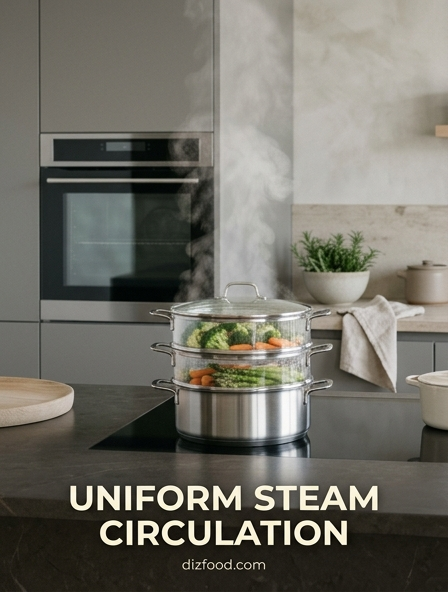
As the steam molecules collide with the cooler surface of the food, they condense back into liquid, releasing their latent heat directly into the ingredient. This rapid energy transfer allows for consistent cooking from the exterior to the core. Because the heat is distributed evenly, there are fewer "hot spots" compared to frying or roasting. This gentle yet powerful thermal environment ensures that the food reaches the desired internal temperature quickly without the risk of scorching or unevenly cooking the delicate cellular structures of the ingredients.
Preserving Essential Water Soluble Vitamins
One of the primary nutritional advantages of steam cooking is its ability to preserve water-soluble vitamins, specifically Vitamin C and the B-complex family. These nutrients are highly sensitive to heat and moisture; when vegetables are submerged in boiling water, these vitamins often leach out of the food and are discarded with the cooking liquid. Steaming mitigates this loss by keeping the food physically separated from the boiling water, ensuring that the nutrients remain within the plant tissues.
- Vitamin C: Highly susceptible to oxidation and heat degradation.
- Thiamine (B1): Breaks down easily in high-heat liquid environments.
- Folate (B9): Readily leached into water during traditional boiling methods.
- Riboflavin (B2): More stable than others but still prone to leaching.
Research consistently shows that steaming broccoli, spinach, and bell peppers retains up to 90% of their Vitamin C content, whereas boiling can reduce it by more than half. By utilizing a closed steaming system, the oxygen levels are also reduced, which further prevents the oxidative degradation of these fragile essential nutrients, making it the superior choice for health-conscious cooking.
How Steaming Prevents Mineral Leaching
Mineral retention is a critical aspect of food preparation that is often overlooked. Essential minerals like potassium, magnesium, calcium, and phosphorus are vital for metabolic functions and bone health. In traditional wet-cooking methods, the process of osmosis occurs, where minerals move from an area of high concentration (the vegetable) to an area of low concentration (the cooking water). Steaming effectively halts this process because there is no surrounding liquid to facilitate the diffusion of these elements.
By maintaining the osmotic balance within the food's cellular walls, steaming ensures that the mineral profile remains almost identical to its raw state. This is particularly important for root vegetables and tubers, which are dense in micronutrients. Furthermore, because the minerals are not lost, the natural electrolytes that contribute to the vegetable's flavor profile remain intact. This lack of leaching not only enhances the nutritional density of the meal but also ensures that the consumer receives the full spectrum of dietary minerals intended by nature, without the need for excessive supplementation or fortification.
Maintaining Natural Vibrant Vegetable Colors
The visual appeal of a dish is often a reflection of its nutritional integrity, particularly regarding chlorophyll and carotenoids. When vegetables are overcooked or subjected to acidic boiling environments, the chlorophyll molecules-responsible for the bright green hue-undergo a chemical change into pheophytin, which results in a dull, olive-brown color. Steaming prevents this degradation by cooking the food quickly and maintaining a neutral pH environment within the steamer basket.
The rapid heat of the steam deactivates enzymes like chlorophyllase, which would otherwise break down pigments during the cooking process. For orange and red vegetables, steam heat stabilizes carotenoids and anthocyanins, ensuring that carrots, sweet potatoes, and purple cabbage remain visually striking. This retention of color is a reliable indicator that the phytochemicals and antioxidants associated with these pigments have not been destroyed. Consequently, steamed vegetables appear more appetizing on the plate, encouraging the consumption of a diverse range of plant-based foods that provide various health-protective compounds through their natural pigments.
Steam Cooking Versus Traditional Boiling
Choosing between steaming and boiling can significantly impact both the texture and the nutritional profile of a meal. While boiling is a common technique, it often results in the loss of flavor and nutrients through dilution. Steaming offers a more controlled environment that preserves the essence of the ingredient. The following table highlights the key differences between these two common cooking methods:
| Feature | Boiling | Steaming |
|---|---|---|
| Nutrient Loss | High (Leaching) | Minimal |
| Flavor Retention | Diluted | Concentrated |
| Texture | Soft/Waterlogged | Crisp/Tender |
| Energy Efficiency | Lower | Higher |
As illustrated, steaming maintains the physical and chemical properties of food far better than boiling. By avoiding direct contact with turbulent water, delicate foods like fish and tender greens are protected from mechanical damage, ensuring a superior culinary result that is both healthier and more aesthetically pleasing for the final presentation.
The Structural Integrity of Steamed Foods
Maintaining the structural integrity of food is essential for achieving a satisfying mouthfeel. Steaming is a gentle process that cooks ingredients without the agitation of boiling water or the intense dry heat of roasting. This is particularly beneficial for the cellulose and pectin structures within plant cells. While heat is necessary to soften these fibers to make them digestible, excessive heat or mechanical stress can cause them to collapse, leading to mushy or disintegrated food.
In steaming, the moisture is provided by vapor, which gently hydrates the fibers as they soften. This results in vegetables that are "al dente"-tender to the bite but still possessing a firm snap. For proteins like fish or poultry, steaming prevents the muscle fibers from tightening too rapidly, which can lead to a rubbery texture. By cooking the proteins at a steady, moderate temperature, the connective tissues break down slowly, ensuring the meat remains moist and succulent. This preservation of texture allows the natural architecture of the food to shine, providing a superior sensory experience compared to harsher methods.
Enhancing Natural Flavors Without Added Fats
One of the most significant dietary benefits of steaming is the ability to produce flavorful meals without the necessity of added fats, oils, or heavy sauces. Traditional cooking methods like frying or sautéing rely on lipids to transfer heat and prevent sticking, which adds significant caloric density to the dish. Steaming, however, uses water vapor to cook, allowing the inherent sugars and aromatic compounds within the food to concentrate rather than being masked or diluted.
- Aromatics: Place herbs like ginger or lemongrass in the water to infuse the steam.
- Natural Sugars: Steaming brings out the sweetness in carrots and snap peas.
- Umami: Seafood retains its natural briny savoriness without being washed away.
Because the natural flavors are so well-preserved, very little seasoning is required to make the food palatable. A simple squeeze of lemon or a sprinkle of fresh herbs is often enough to enhance the dish. This makes steaming an ideal technique for those looking to reduce their intake of saturated fats and sodium while still enjoying delicious, gourmet-quality meals at home.
Optimizing Bioavailability in Leafy Greens
While some nutrients are lost during cooking, others become more bioavailable. Steaming leafy greens like spinach, kale, and Swiss chard is a prime example of how heat can improve nutritional uptake. These greens often contain oxalates, which can bind to minerals like calcium and iron, preventing the body from absorbing them. The gentle heat of steam helps to reduce oxalate levels while breaking down the tough cell walls, making the nutrients more accessible to the digestive system.
Furthermore, steaming facilitates the release of certain antioxidants, such as lutein and beta-carotene. In their raw state, these compounds are often trapped within the fibrous matrix of the leaf. The steaming process softens these fibers just enough to release the antioxidants without destroying them through overexposure to high temperatures. This creates a nutritional "sweet spot" where the greens are easier to digest, the minerals are more absorbable, and the antioxidant capacity is maximized. Consequently, steaming is often more beneficial than eating these specific vegetables raw, providing a higher net gain of health-promoting compounds for the consumer.
Kitchen Tools for Effective Nutrient Retention
To achieve the best results in steam cooking, selecting the right equipment is essential. The variety of tools available today allows for flexibility depending on the volume of food and the desired precision. Traditional bamboo steamers, often used in Asian cuisine, are excellent for absorbing excess moisture, which prevents condensation from dripping back onto the food and making it soggy. They are also stackable, allowing for multiple components of a meal to be cooked simultaneously over a single heat source.
On the other hand, stainless steel steamer inserts and electric steamers offer modern convenience and durability. Electric models often come with built-in timers and programmable settings, ensuring that vegetables are never overcooked. For those with limited space, a simple collapsible silicone basket can turn any standard pot into a steaming vessel. Regardless of the tool chosen, the key is to ensure a tight-fitting lid to trap the steam effectively. By investing in quality steaming tools, home cooks can easily integrate this healthy technique into their daily routine, ensuring consistent results and maximum nutrient retention with every meal.
Transforming Your Diet with Steam Technology
Integrating steam technology into your kitchen is more than just a change in cooking technique; it is a fundamental shift toward a healthier lifestyle. By prioritizing steam, you are choosing a method that respects the biological integrity of your ingredients. This leads to a diet that is naturally lower in processed fats and higher in essential vitamins and minerals. Over time, the consistent consumption of nutrient-dense, steamed foods can contribute to improved energy levels, better digestion, and more effective weight management.
The versatility of steam also allows for a wider variety of foods to be prepared easily, from delicate dumplings and grains to hearty fish and poultry. As your palate becomes accustomed to the clean, bright flavors of steamed ingredients, the craving for heavy, greasy, or overly salted foods often diminishes. This transition fosters a deeper appreciation for the natural quality of produce and proteins. Ultimately, embracing steam technology empowers individuals to take control of their nutritional intake, turning the kitchen into a laboratory for health and wellness through the simple power of water vapor.




Comments