
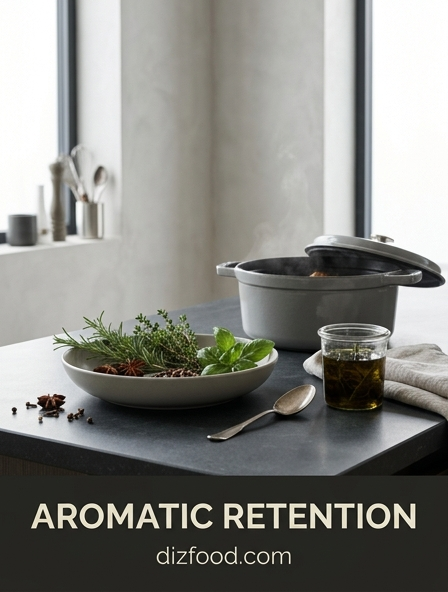
Principles of Molecular Steam Transfer
Molecular steam transfer involves the kinetic movement of water molecules as they transition from a liquid to a gaseous state. In a culinary environment, this phase change acts as a primary vehicle for the transport of aromatic molecules. As water heats, its internal energy increases, causing molecules to collide and escape into the air. These gaseous molecules then interact with the surface of the food, penetrating the outer layers through diffusion and carrying heat deep into the cellular structure.
Unlike dry heat, which can cause rapid evaporation and subsequent flavor loss, steam provides a medium that maintains a high-humidity environment. This prevents the "flavor escape" that occurs when ingredients dehydrate. By surrounding food with a saturated vapor, the concentration gradient is minimized, ensuring that the essential oils and esters responsible for flavor remain within the ingredient's structure. The transfer of heat via steam is incredibly efficient because of latent heat; as the steam condenses on the cooler food surface, it releases a significant amount of energy, cooking the food quickly while keeping the aromatic profile intact. This process is the cornerstone of preserving the delicate nuances of fresh ingredients.
Vapor Pressure and Aroma Extraction
Vapor pressure plays a critical role in how aromas are released and perceived during the cooking process. Every aromatic compound in an ingredient-whether it be an ester, aldehyde, or terpene-has a specific vapor pressure that dictates its tendency to transition into a gaseous state. When heat is applied, the vapor pressure of these compounds increases. If the kitchen environment is open, these volatile molecules escape into the room, leading to a loss of complexity in the final dish.
To maximize aroma extraction while ensuring retention, chefs must manipulate the pressure environment. In closed systems, the accumulation of steam increases the partial pressure of water vapor, which can suppress the evaporation of delicate oils. This relationship is summarized below:
| Component | Effect of High Vapor Pressure | Culinary Outcome |
|---|---|---|
| Essential Oils | Rapid Volatilization | Loss of Top Notes |
| Water Vapor | Moisture Saturation | Texture Retention |
| Esters | Low Threshold Release | Increased Fragrance |
By managing these variables, one can ensure that the "nose" of the food remains concentrated within the matrix of the ingredient rather than being dissipated into the exhaust fan.
Locking in Cellular Moisture
The preservation of cellular moisture is fundamental to both texture and aromatic retention. At the microscopic level, plant and animal tissues are composed of cells held together by complex structures like cell walls or connective tissues. When subjected to harsh, dry heat, the water within these cells evaporates, causing the cells to collapse and the flavor-carrying juices to be lost through the surface.
Using steam or moist-heat methods creates an equilibrium that prevents this dehydration. When the ambient humidity matches the moisture levels within the food, the osmotic pressure remains balanced. This ensures that the cell membranes stay hydrated and intact. As the temperature rises, the proteins and starches within the food begin to set, effectively "locking" the juices inside.
- Maintenance of turgor pressure in vegetables, resulting in a crisp yet cooked texture.
- Prevention of protein fiber contraction in meats, which keeps the interior succulent.
- Protection of water-soluble aromatic compounds that would otherwise be lost to evaporation.
By keeping the cellular structure hydrated, the food retains its natural volume and the concentrated "essence" that defines its primary flavor profile, preventing the muted taste associated with overcooked, dry proteins and vegetables.
Thermal Dynamics of Gentle Steaming
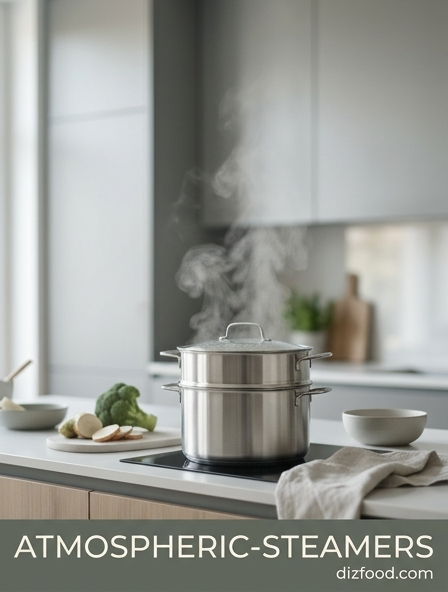
Gentle steaming relies on the controlled application of latent heat. When water turns to steam at 100°C, it carries significantly more energy than liquid water at the same temperature. However, because the steam surrounds the food uniformly, the heat transfer is more consistent than the erratic contact of a hot pan. This thermal stability is essential for preserving delicate aromatic compounds that are sensitive to high temperatures.
In a steaming environment, the temperature rarely exceeds the boiling point of water, protecting the food from the Maillard reaction and caramelization which, while flavorful, can mask the subtle, natural aromas of the raw ingredient. The convection currents within a steamer ensure that every surface of the food is treated equally, preventing hot spots that might scorch the exterior.
- Phase Change: Water absorbs energy to become steam.
- Condensation: Steam hits the food and reverts to liquid, releasing heat.
- Penetration: Heat moves toward the center via conduction.
This cycle allows for a slow, steady increase in internal temperature, ensuring that the delicate esters and volatile oils are not forced out by rapid expansion or scorched by excessive surface heat.
Infusing Flavors through Vaporization
Vaporization is not just a method of cooking; it is a powerful tool for flavor infusion. By adding aromatic elements like herbs, spices, or citrus peels to the steaming liquid, the chef creates a "flavored vapor." As the water boils, it carries the volatile organic compounds (VOCs) from the aromatics into the air. These molecules then circulate and bond with the surface of the main ingredient.
This process is more subtle than marinating or simmering. Because the flavor is delivered via microscopic water droplets, it coats the food in a thin, even layer without over-saturating it. This is particularly effective for seafood and poultry, which have porous surfaces that readily absorb gaseous aromas. The efficiency of infusion depends on several factors:
- Surface Area: Cutting aromatics smaller increases the release of oils into the vapor.
- Steam Velocity: Faster circulation leads to more frequent molecular collisions with the food.
- Molecular Weight: Lighter molecules, such as those from citrus, infuse faster than heavier ones like cinnamon.
This method ensures that the secondary flavors complement the primary ingredient without overwhelming its natural character, leading to a sophisticated and layered sensory experience.
Recovery of Concentrated Food Essences
In many cooking processes, the most potent flavors are found in the liquids that escape during the heating process. Recovery of these concentrated essences is a hallmark of high-level culinary technique. When food is steamed or braised in a closed vessel, the juices that drip away are not lost; they contain a high concentration of dissolved solids, fats, and aromatic esters that are unique to the ingredient.
Capturing this liquid-often referred to as the "jus" or essence-allows the chef to re-incorporate these flavors back into the dish. This is frequently achieved through reduction, where the excess water is evaporated, leaving behind a syrupy, intense liquid. By treating these drippings as a valuable resource rather than waste, the kitchen maximizes the aromatic potential of every ingredient.
| Technique | Benefit | Result |
|---|---|---|
| Deglazing | Solubilizes Fond | Rich Base Note |
| Steam Collection | Captures Volatiles | Pure Essence |
| Reduction | Concentrates Solutes | Intense Flavor |
These essences serve as the backbone for sauces and glazes that mirror and amplify the core flavors of the primary component, ensuring nothing is lost to the drain.
Impact of Steam on Volatile Compounds
Volatile compounds are the chemical building blocks of aroma. They are characterized by their low molecular weight and high reactivity. In dry heat environments, these compounds are prone to oxidation and thermal degradation. Oxidation occurs when oxygen interacts with these molecules, often turning bright, fresh scents into dull or "off" flavors that diminish the quality of the dish.
Steam provides an oxygen-displacing environment. Because the cooking chamber is filled with water vapor, the presence of atmospheric oxygen is significantly reduced. This protective "blanket" prevents the oxidation of sensitive lipids and essential oils. Furthermore, the relatively low temperature of steam ensures that the complex chemical structures of esters and terpenes remain intact.
- Retention of sulfur compounds in aromatics like garlic, keeping them pungent but sweet.
- Preservation of chlorophyll, which maintains the visual "freshness" associated with green aromas.
- Prevention of the formation of bitter, pyrolytic compounds that occur at higher heat.
Ultimately, steam acts as a preservative for the chemical integrity of the food's natural scent, allowing the original characteristics of the ingredient to shine through in the final presentation.
Preserving Nutrient and Juice Integrity
The health benefits of steaming are well-documented, but the preservation of nutrients is intrinsically linked to flavor retention. Water-soluble vitamins, such as Vitamin C and the B-complex group, are highly susceptible to leaching when food is boiled. In steaming, the food does not sit in a pool of water, which prevents these vital nutrients-and the flavors they carry-from being washed away into the cooking liquid.
Juice integrity refers to the ability of the food to hold onto its natural moisture during the denaturation of proteins. When heat is applied, proteins begin to uncoil and coagulate. If this happens too rapidly, the muscle fibers squeeze out the internal fluids. The gentle, humid heat of steam allows this process to happen more gradually, preserving the internal moisture levels.
- Minimize Leaching: No direct contact with large volumes of water prevents loss.
- Gentle Denaturation: Slower protein transition keeps juices trapped in the matrix.
- Solute Preservation: Natural sugars and salts remain within the tissue.
By maintaining the integrity of these internal juices, the food remains plump and flavorful, providing a better mouthfeel and a more intense burst of flavor upon consumption.
Harnessing Condensation for Depth
Condensation is the reverse of evaporation and is a vital cycle in the kitchen. When steam hits a cooler surface, such as the lid of a pot or the surface of the food, it returns to a liquid state. This "rain" within the cooking vessel creates a continuous self-basting cycle. As the liquid falls back onto the food, it carries with it any flavors that were previously airborne, re-depositing them onto the ingredient.
This cycle is essential for developing depth in slow-cooked dishes. In a Dutch oven or a tagine, the condensation builds up on the lid and trickles down the sides, washing over the ingredients. This process emulsifies small amounts of fats and dissolved proteins, creating a rich, complex sauce that develops over time. Strategic use of condensation includes:
- Heavy Lids: Create a better seal to ensure vapor turns back to liquid.
- Basting Spikes: Modern lids often feature nubs to direct condensation evenly over the food.
- Temperature Control: Keeping the lid slightly cooler than the interior encourages rapid condensation.
This mechanical movement of flavor creates a recursive loop that deepens the aromatic profile without the need for additional ingredients or excessive seasoning.
Science of Sealed Flavor Systems
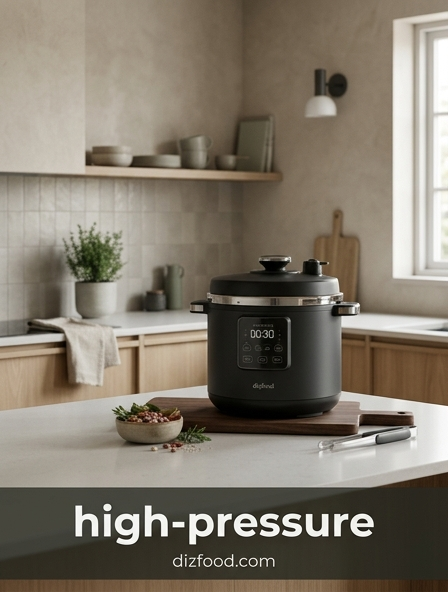
Sealed flavor systems represent the pinnacle of aromatic retention. Techniques such as en papillote, vacuum-sealed sous vide, or the use of heavy-duty pressure cookers all rely on a closed environment to trap 100% of the volatiles. When a system is truly sealed, nothing escapes; the pressure increases, and the boiling point of liquids rises, but the aromatic molecules have nowhere to go but back into the food fibers.
In these systems, the interaction between pressure and temperature is heightened. In a pressure cooker, the high-pressure steam forces flavors deep into the fibers of the food in a fraction of the time required by traditional methods. In en papillote, the delicate paper pouch inflates with steam, creating a mini-convection chamber that perfumes the contents with its own concentrated juices. The benefits of sealed systems include:
- Zero aromatic loss to the external environment.
- Accelerated cooking times due to increased internal pressure.
- Intense concentration of natural juices and sugars.
By removing the interface with the outside world, these systems create a concentrated micro-environment where the essence of the kitchen is focused entirely on the dish itself, resulting in unparalleled flavor density.



Comments