
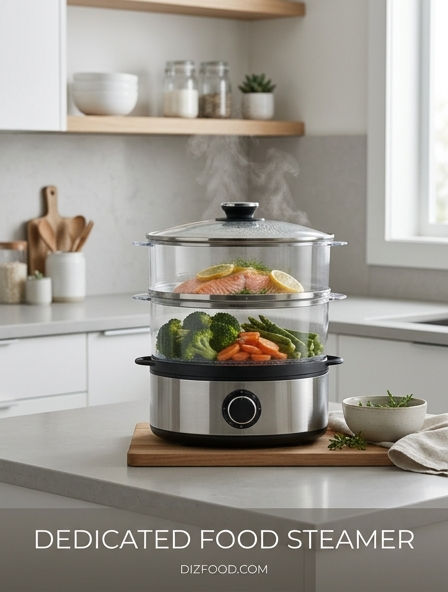
Precision Temperature Control for Delicate Ingredients
Dedicated food steamers excel in maintaining specific thermal environments that are crucial for sensitive ingredients. Unlike boiling or frying, where temperature fluctuations can lead to overcooking in seconds, a high-quality steamer offers steady heat regulation. This is particularly vital for delicate proteins such as scallops, sea bass, or custards, which require a gentle touch to reach the perfect internal temperature without curdling or becoming rubbery. By isolating the heating element and using digital sensors, these machines ensure that the steam remains at a constant state, providing a reliable atmosphere for culinary success.
- Fine-tuned heat settings for eggs and dairy-based dishes.
- Gentle poaching environments for thin-filleted white fish.
- Stable low-temperature ranges for tempering chocolate or melting fats.
- Consistent thermal output to prevent cellular breakdown in leafy greens.
The ability to control the environment so precisely allows chefs to experiment with textures that are otherwise impossible to achieve. When the heat is moderated, the natural sugars and proteins within the food react more slowly, resulting in a cleaner flavor profile and a more sophisticated mouthfeel that highlights the ingredient's inherent quality.
Preventing Cross Contamination of Food Aromas
One of the most significant advantages of using a dedicated tiered steamer is the ability to cook multiple components of a meal simultaneously without mixing their distinct flavors. In traditional pan cooking or stir-frying, juices and oils inevitably blend, which can mask the subtle notes of individual ingredients. A dedicated steamer utilizes a vertical airflow system where steam rises through separate compartments. This design ensures that the pungent aroma of garlic-infused shrimp in the lower basket does not overwhelm the delicate scent of jasmine rice or vanilla-scented pears in the upper tiers.
Sophisticated drainage systems within these units prevent condensation from dripping from one level to another. Instead of a communal pool of liquid, each tray remains an isolated ecosystem. This separation is essential for maintaining the integrity of a multi-course meal prepared in a single session. For those with dietary restrictions or specific palate preferences, this feature ensures that allergens or strong-smelling aromatics stay exactly where they are intended, resulting in a professional and organized culinary output that respects the unique identity of every ingredient on the plate.
Maximizing Nutrient Retention and Natural Goodness
Traditional cooking methods like boiling often result in the leaching of vital nutrients into the cooking water, which is subsequently discarded. Dedicated steamers prevent this nutritional loss by surrounding food with moist heat rather than immersing it in liquid. This process preserves water-soluble vitamins, such as Vitamin C and the B-complex group, which are highly susceptible to heat and water degradation. By keeping the food separate from the water source, the essential minerals and antioxidants remain locked within the cellular structure of the produce.
| Nutrient Type | Boiling Retention | Steaming Retention |
|---|---|---|
| Vitamin C | 40-60% | 80-90% |
| Folate (B9) | 50% | 85% |
| Antioxidants | Variable (Low) | High |
Beyond vitamins, steaming also maintains the natural enzymes that aid in digestion. Because the temperature is moderated and the contact with water is minimized, the food retains its biological value. This makes dedicated steamers an essential tool for health-conscious individuals who wish to extract the maximum possible benefit from their organic vegetables, legumes, and lean proteins without the need for added fats or heavy seasonings.
Maintaining Superior Texture and Structural Integrity
The physical agitation of boiling water can easily damage fragile foods, causing them to break apart or become mushy. Dedicated steamers offer a static cooking environment where the food remains undisturbed throughout the process. This is particularly important for vegetables like asparagus or broccoli, which can easily lose their florets or snap when tossed in a pot. Steam gently penetrates the exterior surfaces, softening the fibers without compromising the overall shape or "snap" of the vegetable. This results in a superior aesthetic and a more satisfying eating experience.
In addition to vegetables, starchy foods like dumplings and bao buns rely on steam to maintain their structural integrity. Without the precise moisture control of a steamer, dough can become waterlogged or sticky. The controlled humidity ensures that the exterior remains smooth and firm while the interior cooks through completely. This preservation of texture is what separates a home-cooked meal from a professional-grade dish. By respecting the physical boundaries of the ingredient, the steamer allows the chef to present food that looks as vibrant and intact as it did in its raw state.
The Science of Uniform Steam Distribution
Achieving an even cook is a primary challenge in any kitchen, yet dedicated steamers solve this through advanced thermodynamic engineering. Unlike a microwave, which can create hot spots, or a pan that relies on bottom-up conduction, a steamer fills its entire chamber with a gaseous cloud of water vapor. This vapor envelops every surface of the food simultaneously, ensuring that the center of a thick cauliflower steak cooks at the same rate as the exterior edges. This uniformity is the key to achieving consistent results across every batch.
- Water is heated to a consistent boiling point in a specialized reservoir.
- Vapor rises through strategically placed vents to ensure rotational flow.
- Pressure is maintained at a level that facilitates deep tissue penetration.
- Condensation is diverted to prevent localized cooling on the food surface.
This systematic approach eliminates the need for constant monitoring or flipping of the food. The equilibrium established within the steamer means that the ingredients are subjected to the same caloric energy from all angles. This scientific precision is what allows for the repeatable excellence found in high-end steamed cuisine, from perfectly translucent shrimp har gow to tender, evenly cooked root vegetables.
Preserving Natural Pigments and Visual Appeal
Visual presentation is an integral part of the culinary experience, and steaming is the premier method for color preservation. The vibrant greens of kale, the deep purples of beets, and the bright oranges of carrots are often dulled by the oxidation that occurs during high-heat roasting or the leaching that happens during boiling. Dedicated steamers minimize the exposure to oxygen and keep the pigments, such as chlorophyll and carotenoids, trapped within the plant walls. This results in a plate that is visually striking and appears remarkably fresh.
Furthermore, because steaming does not involve the Maillard reaction (browning), the natural hues of the food are allowed to shine without being obscured by a crust or sear. This is particularly advantageous for creating clean, modernist dishes where the purity of the ingredient is the focal point. The steam also provides a light glisten to the surface of the food, acting as a natural garnish that makes ingredients look succulent and appetizing. For chefs who believe that "the first bite is with the eyes," the dedicated steamer is an indispensable tool for maintaining the vivid, natural palette of their ingredients.
Dedicated Steamers Versus Multipurpose Kitchen Tools
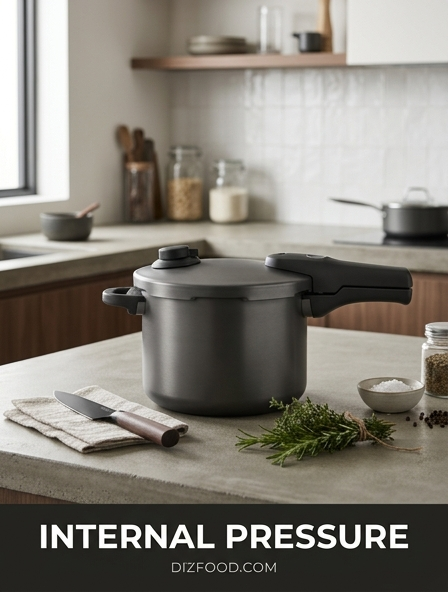
While many modern appliances like pressure cookers or multi-cookers offer a steaming function, they often lack the nuance of a dedicated unit. A dedicated steamer is designed with one goal: the perfect management of vapor. Multipurpose tools often have heavy lids and high-pressure settings that can be too aggressive for delicate tasks. In contrast, a specialized steamer provides a more ventilated environment, allowing for the gentle release of excess pressure, which prevents the food from becoming "rubbery" due to over-compression.
| Feature | Dedicated Steamer | Multipurpose Tool |
|---|---|---|
| Vapor Control | Continuous/Gentle | Intermittent/Heavy | Multi-tiered/Large | Single basket/Small |
| Visibility | Clear walls/Easy view | Opaque/Locked lid |
The specialized design also usually includes larger surface areas, allowing food to be spread out in a single layer rather than stacked. This prevents the bottom layers from being crushed by the weight of the top layers. Furthermore, dedicated units often feature external water inlets, allowing the user to replenish the reservoir without opening the lid and losing the accumulated heat, a level of control that multipurpose devices rarely provide.
Eliminating Flavor Dilution From Traditional Boiling
When food is boiled, a significant portion of its flavor profile is transferred to the cooking liquid, resulting in a bland final product. This dilution is why boiled vegetables often require heavy butter, salt, or sauces to be palatable. Steaming, however, acts as a concentrator of flavor. Since the food never touches the water, its natural juices and essential oils are retained within. This means that a carrot steamed in a dedicated appliance tastes more intensely "like a carrot" than one prepared in any other way.
This concentration of taste reduces the necessity for high-sodium seasonings or caloric fats, making it easier to prepare gourmet-quality meals that are inherently healthy. The steam interacts with the cell walls to release aromatic compounds while keeping the sugars intact. This is especially noticeable with seafood; the natural brininess and sweetness of lobster or crab are amplified rather than washed away. By eliminating flavor dilution, dedicated steamers allow the true essence of high-quality, seasonal ingredients to take center stage, providing a pure culinary experience that is both honest and intensely satisfying.
Achieving Consistent Professional Grade Results
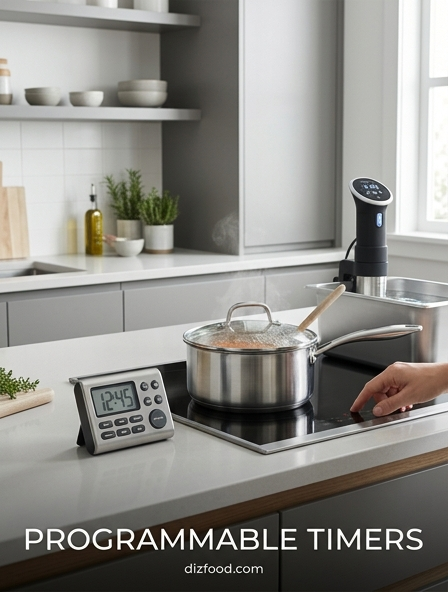
The hallmark of a professional kitchen is consistency, and dedicated food steamers are engineered to provide exactly that. Through the use of integrated timers and automated shut-off features, these machines remove the guesswork associated with manual stovetop methods. Whether you are steaming a single fillet of salmon or enough vegetables for a large dinner party, the appliance ensures that the results are identical every time. This reliability is why steaming is a foundational technique in world-class Asian cuisines and high-end health retreats.
- Integrated digital timers for precise cooking durations.
- Auto-warm functions to maintain serving temperature without overcooking.
- Pre-programmed settings tailored to specific food groups like grains or fish.
- Large capacity tiers for batch cooking without loss of quality.
Using a dedicated tool elevates the home cook's capability to that of a professional. It removes the variables of burner intensity and pot size, replacing them with a controlled, laboratory-like environment. This level of repeatability allows the chef to focus on seasoning and presentation, confident that the core component of the dish will be cooked to an exacting and superior standard every time the start button is pressed.
Optimized Moisture Levels for Pure Culinary Taste
The relationship between moisture and flavor is complex, and dedicated steamers are the masters of this balance. Unlike dry heat methods like roasting or air-frying, which can desiccate the outer layers of food, steaming introduces a constant supply of hydration. This is essential for lean meats and poultry, which can easily become dry and unappealing. The steam creates a protective barrier that keeps the internal moisture from evaporating, resulting in proteins that are incredibly juicy and tender. This hydration also benefits grains and legumes, ensuring they are plump and fluffy rather than crunchy or parched.
The pure culinary taste achieved through optimized moisture is characterized by a "clean" finish on the palate. There is no oily residue or charred bitterness to distract from the food. Instead, the palate experiences the natural moisture of the ingredient itself, enhanced by the gentle infusion of water vapor. This method is particularly effective for reheating leftovers as well; while a microwave can make bread or rice hard, a steamer restores the original moisture levels, bringing the food back to its freshly cooked state. This focus on hydration ensures that every bite is as succulent and flavorful as possible.

Comments