
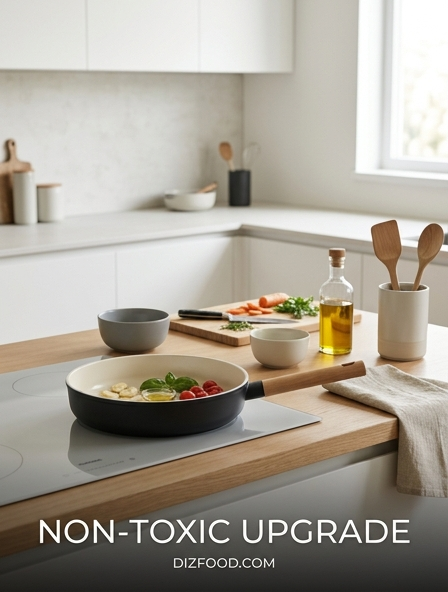
When upgrading your kitchen for a healthier lifestyle, the debate between glass and plastic electric steamers often boils down to one critical factor: long-term safety. While plastic steamers are popular for their lightweight design and low price point, they frequently pose risks regarding BPA leaching and chemical migration when exposed to high-temperature steam. Transitioning to a glass electric steamer is the ultimate non-toxic upgrade, offering a non-porous, chemically inert surface that ensures your vegetables and proteins remain free from endocrine disruptors. Not only does glass provide a crystal-clear view of your cooking progress, but it also preserves the natural, untainted flavor of your food, making it the superior choice for health-conscious chefs who refuse to compromise on purity.
| Feature | Glass Electric Steamer | Plastic Electric Steamer |
|---|---|---|
| Chemical Safety | 100% Non-toxic; BPA, BPS, and Phthalate-free. | Risk of chemical leaching (BPA/Microplastics) at high heat. |
| Flavor Integrity | Non-porous; won't absorb odors or food flavors. | Porous material; often retains smells and stains over time. |
| Durability | Scratch-resistant; does not cloud or degrade with age. | Prone to warping, cracking, and surface clouding. |
| Heat Tolerance | High thermal stability; safe for prolonged steaming. | May soften or release fumes if overheated or run dry. |
| Cleaning | Dishwasher safe; easy to sanitize without degradation. | Can be damaged by harsh detergents or high DW heat. |
| Eco-Footprint | Highly sustainable and infinitely recyclable. | Derived from petroleum; contributes to landfill waste. |
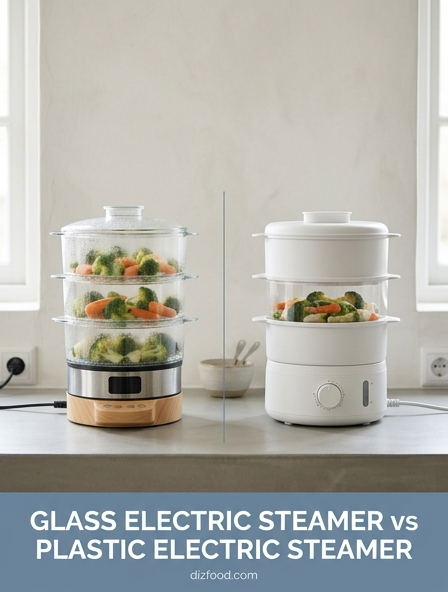
Health and Safety Benefits of Glass vs Plastic
When considering the health implications of kitchen appliances, the material of an electric steamer plays a pivotal role. Glass is widely regarded as the gold standard for food safety because it is an inert material. This means it does not react with acidic or alkaline foods, ensuring that the chemical composition of your vegetables, fish, or grains remains unaltered during the high-heat steaming process. Because glass can withstand high temperatures without degrading, it provides a stable environment that health-conscious consumers often prefer.
In contrast, plastic electric steamers, even those marketed as high-quality, are subject to wear and tear from repeated exposure to steam. Over time, plastic can develop micro-scratches or begin to break down, which may lead to the release of microscopic particles into the food. While many modern plastics are engineered to be food-grade, they cannot match the elemental purity of tempered or borosilicate glass. For individuals managing sensitive allergies or those following strict "clean eating" protocols, glass eliminates the anxiety associated with synthetic material degradation.
- Glass: Chemically inactive, non-porous, and heat-stable.
- Plastic: Potential for surface degradation and microscopic wear.
- Safety: Glass provides peace of mind regarding long-term heat exposure.
Durability and Long Term Lifespan Comparison
The durability of a kitchen steamer is often a trade-off between impact resistance and structural longevity. Plastic steamers are generally more resilient to accidental drops; if a plastic tier falls onto a tiled floor, it is likely to bounce or perhaps suffer a small crack without shattering. This makes plastic a popular choice for busy households with children or pets where accidents are common. However, plastic is prone to warping, discoloration, and becoming brittle after years of exposure to intense heat and moisture.
Glass steamers, while fragile and susceptible to shattering if dropped, offer superior longevity in terms of material integrity. Glass does not age, yellow, or warp. A glass steamer used today will look and function exactly the same in ten years, provided it is handled with care. This creates a "buy it once" value proposition that many sustainable shoppers appreciate. When comparing the two, users must decide whether they prioritize the "shatter-proof" nature of plastic or the "time-proof" nature of glass.
| Feature | Glass Steamer | Plastic Steamer |
|---|---|---|
| Impact Resistance | Low (can shatter) | High (shatter-resistant) |
| Heat Warping | None | Possible over time |
| Surface Aging | Remains clear | May yellow or cloud |
| Expected Lifespan | Decades (if handled carefully) | 3 to 7 years |
BPA Concerns and Chemical Leaching Risks
One of the most significant debates in kitchenware revolves around Bisphenol A (BPA) and other endocrine disruptors. Most modern plastic steamers are labeled as "BPA-free," but many health experts point out that the chemicals used to replace BPA, such as BPS or BPF, may carry similar risks. When plastic is subjected to the intense heat of steam, the risk of chemical leaching increases, as the heat can break down molecular bonds within the polymer. This is a primary concern for parents preparing baby food or individuals focused on hormonal health.
Glass steamers completely bypass this concern. Because glass is made from natural materials like silica sand, soda ash, and limestone, it contains no synthetic additives or plasticizers. There is zero risk of leaching endocrine disruptors, regardless of how long or how hot the steaming cycle lasts. For those who want to eliminate all variables of chemical exposure from their cooking process, glass is the only definitive solution. It offers a transparent safety profile that even the most advanced "food-safe" plastics cannot technically guarantee under prolonged thermal stress.
Cleaning Ease and Staining Resistance Factors
Cleaning a steamer after a meal can be a chore, and the material significantly impacts the effort required. Plastic is naturally more porous than glass, which means it tends to absorb oils and pigments from food. If you frequently steam colorful vegetables like carrots, beets, or turmeric-seasoned dishes, a plastic steamer will eventually develop a stubborn orange or yellowish tint that is nearly impossible to remove. Furthermore, oils can create a "filmy" residue on plastic surfaces that requires aggressive scrubbing with degreasing soaps.
Glass is non-porous and exceptionally easy to clean. It resists all forms of staining, meaning it stays crystal clear regardless of what you cook. Most glass steaming trays are dishwasher safe and can even be soaked in white vinegar to remove hard water scale without any risk of damaging the material. The smooth surface of glass allows food particles to slide off easily, often requiring nothing more than a quick rinse and a light wipe. For users who value a pristine-looking kitchen, the aesthetic and functional cleanliness of glass is a major advantage.
- Staining: Glass is 100% stain-resistant; plastic is highly prone to discoloration.
- Oil Retention: Plastic holds onto fats; glass washes clean instantly.
- Dishwasher Safety: Both are usually dishwasher safe, but glass withstands high-heat drying cycles better.
Visibility and Monitoring Food While Steaming
Effective steaming often requires precise timing to ensure vegetables remain crisp and proteins are perfectly cooked. Visibility is therefore a critical feature. When new, both glass and plastic steamers offer excellent transparency, allowing you to monitor the progress of your meal without lifting the lid and releasing valuable steam. However, as plastic ages, it undergoes a process called "crazing," where thousands of tiny internal cracks form, leading to a cloudy or opaque appearance that obscures the view of the food.
Glass maintains its absolute clarity for the duration of its life. While steam condensation will form on both surfaces, the smooth surface of glass often allows droplets to bead and run off more predictably, providing a better view of the contents. Additionally, glass does not scratch as easily as plastic. When cleaning a plastic steamer, even a soft sponge can leave micro-scratches that eventually dull the surface. With glass, you can use more vigorous cleaning methods without worrying about ruining the transparency that is so vital for monitoring delicate foods like dumplings or fish fillets.
Flavor Preservation and Odor Retention Differences
The culinary experience is heavily influenced by the purity of flavor. Plastic is known for its tendency to absorb odors. If you steam a piece of salmon or a garlic-heavy dish in a plastic steamer, the scent can linger in the material even after a thorough washing. This "flavor ghosting" can be unpleasant when you transition from steaming savory seafood to something neutral like rice or sweet like dim sum. Over time, a plastic steamer can develop a cumulative "kitchen smell" that affects the subtle nuances of your ingredients.
Glass does not retain odors or flavors. Because it is non-reactive and non-porous, the scent of the food is washed away completely with the residue. This makes glass the superior choice for gourmets who want their broccoli to taste like broccoli and their fish to taste like fish, without any cross-contamination of aromas. The ability to switch between vastly different flavor profiles without any lingering scents ensures a professional-grade result every time you cook. In the glass vs. plastic debate, glass is the clear winner for maintaining the sensory integrity of the meal.
Weight and Portability for Daily Kitchen Use
Practicality in the kitchen often comes down to how easy an appliance is to move, store, and handle. Plastic steamers have a significant advantage in this category. They are incredibly lightweight, making it easy to pull them out of a high cabinet or transport them to a potluck or a friend's house. For elderly users or those with limited wrist strength, the light weight of plastic tiers makes the process of stacking, unstacking, and washing much more manageable and less physically taxing.
Glass steamers are considerably heavier. A single glass steaming tray can weigh as much as an entire multi-tier plastic unit. This weight makes the appliance feel premium and stable on the counter, but it also means that handling it requires more care and effort. Washing a heavy glass bowl in a soapy, slippery sink increases the risk of it slipping and breaking. For daily use, users must weigh the "heft" of glass-which many associate with quality-against the "nimbleness" of plastic, which simplifies the logistics of cooking and cleanup in a fast-paced environment.
Heat Retention and Energy Efficiency Performance
The thermal properties of glass and plastic affect how the steamer performs and how much energy it consumes. Glass has a high thermal mass, meaning it takes longer to heat up than plastic but retains that heat much more effectively. Once a glass steamer reaches the desired temperature, it acts as an insulator, maintaining a steady and consistent internal environment. This can lead to more even cooking, as the ambient heat from the glass walls contributes to the steaming process even if the heating element cycles off momentarily.
Plastic is a poor conductor of heat and has low thermal mass. It heats up almost instantly, allowing the steaming process to begin seconds faster than glass. However, it also loses heat rapidly to the surrounding air. This means the heating element may need to work harder to maintain the internal temperature, especially in a cool kitchen. While the difference in energy bills is usually negligible for the average household, the "thermal flywheel" effect of glass provides a more stable cooking temperature that experienced chefs often prefer for delicate recipes that require precise heat control.
Environmental Sustainability and Eco Friendly Choice
From an environmental perspective, glass is almost always the superior choice. Glass is made from abundant natural resources and is 100% recyclable. Even if a glass steamer breaks, the cullet (broken glass) can be melted down and repurposed indefinitely without losing quality. Furthermore, because glass is so durable and does not degrade, a glass steamer is less likely to end up in a landfill. It is a long-term investment that aligns with "zero-waste" lifestyle goals and reduces the demand for petroleum-based products.
Plastic steamers present several ecological challenges. They are derived from fossil fuels and, despite being recyclable in theory, many types of heat-resistant plastics used in kitchen appliances are not accepted by curbside recycling programs. When a plastic steamer warps or cracks, it usually ends up in a landfill where it will take centuries to decompose, potentially breaking down into microplastics that enter the ecosystem. For the environmentally conscious consumer, choosing glass is a proactive step toward reducing plastic waste and supporting a more circular economy in the kitchenware industry.
Price Range and Value for Money Analysis
When analyzing price, there is a clear distinction between the initial purchase price and the long-term value. Plastic electric steamers are generally much more affordable. You can often find a functional, multi-tiered plastic steamer for a fraction of the cost of a single-tier glass model. This low barrier to entry makes plastic an attractive option for students, small families on a budget, or people who only steam food occasionally and don't want to commit a large sum to a niche appliance.
Glass steamers are premium products with a higher upfront cost. The manufacturing of heat-resistant glass and the reinforced bases required to support its weight drive the price up. However, the value for money becomes apparent over time. While you might need to replace a plastic steamer every few years due to staining, warping, or cracking, a glass steamer is essentially a lifetime purchase. If you calculate the "cost per year of use," glass often ends up being the more economical choice. It is a classic example of the "buy once, cry once" philosophy, where paying more today saves you from repeated purchases in the future.
- Initial Investment: Plastic is budget-friendly; Glass is premium.
- Replacement Frequency: Plastic may need replacing every 3-5 years; Glass can last 20+ years.
- Resale Value: High-end glass appliances tend to hold their value better than plastic ones.

Comments