
Electromagnetic Spectrum and Thermal Energy
The kitchen environment serves as a practical laboratory for the electromagnetic spectrum, utilizing various wavelengths to manipulate thermal energy. At the core of modern cooking is the transition from visible light and infrared radiation to the high-frequency microwave band. Thermal energy in traditional appliances, such as ovens and grills, relies heavily on infrared waves that vibrate surface molecules, creating heat through absorption. This process is distinct from microwave systems, which occupy the spectrum between radio waves and infrared light, typically at a frequency of 2.45 GHz.
Understanding this spectrum is vital for mastering energy transfer. While visible light allows us to monitor the browning process, invisible wavelengths do the heavy lifting. The efficiency of these waves depends on their ability to interact with the physical properties of food. Thermal energy is not just a byproduct but a directed force regulated by frequency control. The following components are essential in this energy transfer:
- Infrared emitters for surface searing and crust formation.
- Microwave oscillators for deep-tissue molecular agitation.
- Visible light indicators for user safety and process monitoring.
- Convection systems that assist in distributing wave-generated heat.
Molecular Friction in Microwave Cooking
Microwave ovens function through a process known as dielectric heating. When the appliance emits electromagnetic waves, they penetrate the food and interact primarily with polar molecules, most notably water. These molecules act like microscopic magnets, possessing a positive and negative end. As the electromagnetic field oscillates billions of times per second, the water molecules attempt to align themselves with the field, rotating rapidly in place. This frantic movement leads to constant collisions with neighboring molecules, generating heat through intense molecular friction.
This mechanism is unique because it does not rely on the slow process of thermal conduction from the outside in. Instead, the energy is deposited directly into the moisture-rich areas of the food. The kinetic energy produced by this friction is then conducted to the non-polar fats and proteins. Because the heating occurs at the molecular level, it is significantly faster than traditional methods. However, the distribution of these waves can create "hot spots," requiring the use of a rotating turntable to ensure that the molecular friction is distributed as evenly as possible across the entire volume of the dish.
Efficiency of Induction Heating Technology
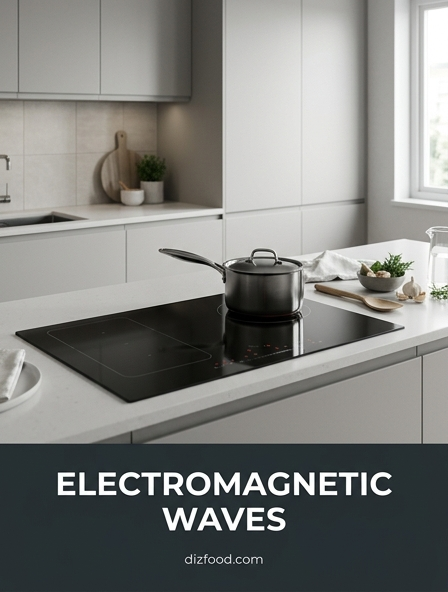
Induction heating represents a sophisticated application of electromagnetism that bypasses the need for an external heat source. Underneath the ceramic glass surface of an induction cooktop lies a copper coil that carries an alternating current. This current creates a rapidly changing magnetic field that penetrates the base of a ferromagnetic pot. This process induces eddy currents within the metal, leading to Joule heating. Unlike gas or traditional electric coils, the cooktop itself remains relatively cool, as the heat is generated directly within the cookware.
The efficiency of this technology is significantly higher than conventional methods because it minimizes energy loss to the surrounding air. In a comparison of energy transfer, induction proves superior in speed and precision. The following table illustrates the typical efficiency rates observed in modern kitchen environments:
| Heating Method | Energy Efficiency (%) | Primary Transfer Mode |
|---|---|---|
| Gas Flame | 40% - 55% | Convection/Conduction |
| Electric Coil | 70% - 75% | Thermal Conduction |
| Induction | 85% - 90% | Electromagnetic Induction |
Wave Penetration for Uniform Steaming
Achieving uniform steaming requires a delicate balance between wave frequency and the physical density of the food items. Electromagnetic waves, particularly in the microwave range, have a specific penetration depth that varies based on the dielectric properties of the ingredient. For steaming applications, the waves must reach enough of the internal water content to convert it into vapor without overcooking the exterior. If the waves penetrate too deeply or too shallowly, the result is uneven textures and localized dehydration.
To optimize this, many modern steaming appliances utilize pulse-width modulation to control the intensity of wave delivery. This allows the heat to dissipate naturally from the high-energy areas to the cooler center through conduction, even as the waves continue to generate steam. The uniformity of the process is further enhanced by the presence of a specialized steaming chamber that reflects waves to hit the food from multiple angles. This ensures that the steam is generated simultaneously throughout the vessel, maintaining the structural integrity of delicate vegetables and proteins while ensuring they are cooked thoroughly by the internally generated vapor.
Energy Conversion Rates in Modern Kitchens
In the context of a modern kitchen, energy conversion is the measure of how effectively electrical power is transformed into thermal energy for cooking. Electromagnetic wave-based appliances are generally more efficient because they target the food directly. For instance, a microwave oven converts roughly 60% to 70% of its consumed electricity into actual cooking energy, with the remainder lost as heat in the magnetron and cooling fans. While this may seem lower than induction, it is highly effective for short-duration tasks where preheating is unnecessary.
The total energy footprint of a kitchen is determined by these conversion rates. To maximize sustainability, manufacturers focus on reducing the "vampire" loads and improving the power factor of the electromagnetic generators. Advanced solid-state heating elements are currently being developed to replace traditional magnetrons, promising even higher conversion rates and more precise frequency control. By focusing on these rates, designers can create kitchens that provide professional-grade results with a fraction of the energy consumption seen in the previous century, effectively turning the kitchen into a high-performance energy-efficient zone.
The Physics of Non-Ionizing Radiation
A common misconception regarding wave-based cooking involves the safety of the radiation used. Kitchen appliances operate strictly within the non-ionizing portion of the electromagnetic spectrum. Unlike X-rays or gamma rays, which possess enough energy to strip electrons from atoms and damage DNA, non-ionizing radiation only has enough energy to cause molecular vibration. In the kitchen, this translates to the movement of molecules to produce heat, without altering the fundamental chemical structure of the food in a harmful way.
The physics of these waves dictates that they are contained within the appliance via Faraday cages-the metal mesh seen on microwave doors. These screens have holes smaller than the wavelength of the radiation, preventing the waves from escaping while allowing visible light to pass through. Understanding this distinction is crucial for consumer confidence. The energy levels used in these devices are specifically tuned to interact with rotational states of molecules rather than electronic states. This ensures that the only transformation taking place is thermal, preserving the nutritional value of the food while maintaining a safe environment for the user.
Optimizing Moisture Retention with Waves
One of the primary challenges in high-heat cooking is the prevention of dehydration. Traditional convection ovens often strip moisture from the surface of food because the dry, hot air encourages rapid evaporation. Electromagnetic wave technology addresses this by significantly reducing the total cooking time. By heating the water molecules inside the food rapidly, the internal pressure pushes moisture toward the surface, keeping the interior succulent while the waves complete the cooking cycle before the exterior can become overly parched.
To further optimize moisture retention, chefs often use specific techniques tailored to wave-based energy. These methods include:
- Using shielded containers to modulate wave intensity.
- Adding a small amount of external water to create a local humidity envelope.
- Utilizing "rest periods" to allow internal steam to redistribute.
- Selecting power levels that match the specific heat capacity of the ingredient.
By leveraging the speed of electromagnetic energy, users can lock in natural juices and nutrients that would otherwise be lost during the prolonged exposure required by conventional thermal conduction methods.
Reducing Ambient Heat Loss in Cooking
Traditional cooking methods contribute significantly to the ambient temperature of the kitchen, as a large portion of the energy produced by gas flames or electric coils escapes into the air. This not only wastes energy but also increases the load on cooling systems. Electromagnetic technologies, particularly induction and microwave cooking, are designed to contain energy within the cooking vessel or the food itself. This targeted approach ensures that the kitchen remains a comfortable environment, even during heavy food preparation.
The reduction of ambient heat loss is a byproduct of how waves interact with matter. In an induction system, there is no open flame or glowing element to radiate heat into the room. In a microwave, the air inside the cavity remains relatively cool because the waves do not heat the air directly; they only heat the food. This isolation of thermal energy makes wave-based appliances ideal for high-density living spaces and commercial kitchens where heat management is a constant logistical challenge. The result is a more focused, efficient, and pleasant culinary workspace.
Rapid Steaming Through Targeted Energy
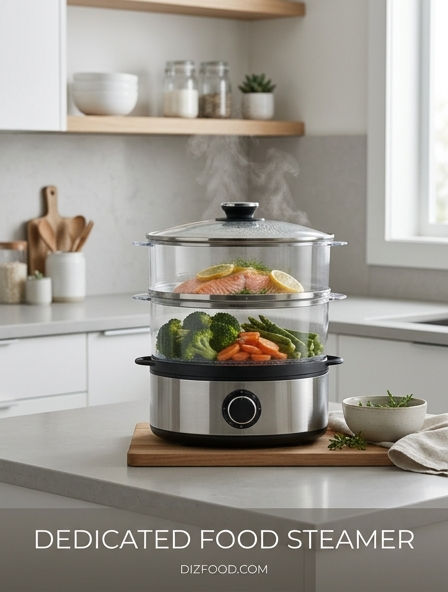
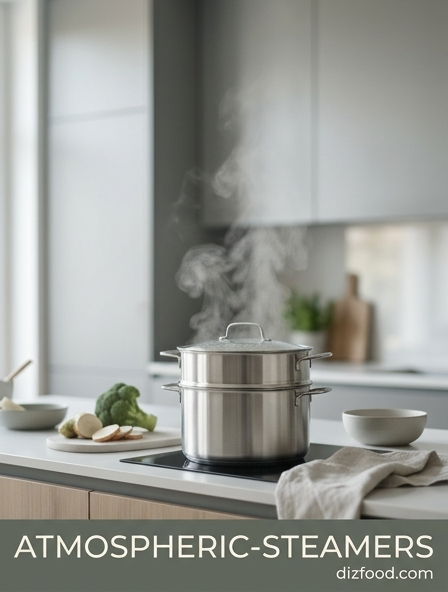
Rapid steaming via electromagnetic waves is a paradigm shift in how we prepare delicate foods. Traditional steaming relies on boiling water in a separate reservoir and waiting for the steam to envelop the food. In contrast, wave-targeted steaming uses the moisture already present within the cells of the food to create steam from the inside out. This "internal steaming" happens almost instantaneously when the electromagnetic field is activated, leading to a dramatic reduction in cooking time and a better preservation of color and texture.
For foods with low water content, the addition of a localized water source allows for the creation of a high-pressure steam environment within a sealed, wave-permeable container. The efficiency of this process is unmatched, as the energy is spent solely on phase-changing the water into steam rather than heating the entire volume of a large pot. This targeted energy application ensures that the vitamins and minerals, which are often leached out during traditional boiling, remain intact within the cellular structure of the food, providing a healthier and more flavorful end product.
Sustainable Energy Use in Wave Technology
Sustainability in the kitchen is increasingly dependent on the precision of energy delivery. Electromagnetic wave technology is at the forefront of this movement, offering a path to reduce the overall carbon footprint of food preparation. Because these systems can be turned on and off instantly, they eliminate the need for long preheating phases. Furthermore, the ability to program specific power cycles means that no energy is wasted on overcooking or maintaining unnecessary temperatures. This precision is a hallmark of sustainable kitchen design.
As we move toward smarter homes, the integration of wave technology with sensor-based feedback loops will further enhance energy savings. Future appliances will likely utilize the following features to promote sustainability:
- Real-time dielectric sensors to detect when food is perfectly cooked.
- Variable frequency drives to adjust energy output based on food density.
- Recyclable components in solid-state wave generators.
- Smart-grid connectivity to optimize cooking times for off-peak energy usage.
By refining the way we use waves, we can ensure that high-quality cooking remains compatible with global energy conservation goals.


Comments