
Understanding Dry vs Wet Steam Science
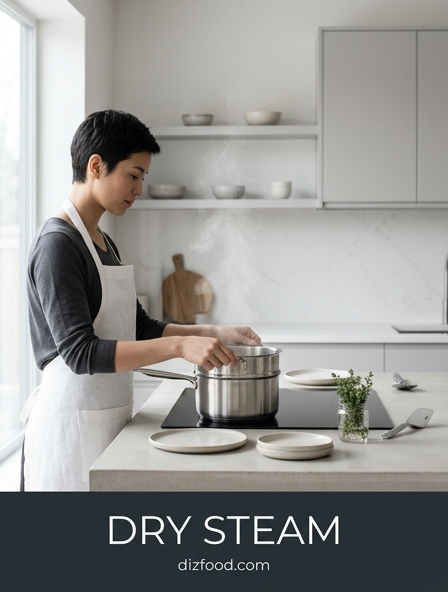
In the culinary world, steam is often categorized into two distinct physical states: wet (saturated) and dry (superheated). Wet steam contains suspended water droplets, visible as white mist, and exists at the boiling point of 100°C under standard atmospheric pressure. This medium is ideal for gentle poaching and traditional steaming where high moisture content is required. Conversely, dry steam is a gaseous state where water has been heated beyond its boiling point, causing all liquid droplets to evaporate completely.
The transition to dry steam allows the medium to carry significant thermal energy without the presence of liquid water. This distinction is crucial for chefs who seek to manipulate the thermodynamics of the cooking environment. While wet steam provides a protective, moist envelope around food, dry steam behaves more like a high-intensity gas. Understanding the latent heat of vaporization is essential here; as steam condenses, it releases a massive amount of energy, but dry steam can be elevated to much higher temperatures, often exceeding 200°C, facilitating chemical reactions that wet steam simply cannot achieve.
Precision Moisture Control for Perfect Crusts
Achieving the elusive "perfect crust" in artisanal bread baking relies heavily on the strategic application of steam during the initial stages of the bake. When dry steam is introduced into a high-temperature oven, it interacts with the surface of the dough to facilitate starch gelatinization. This process creates a thin, flexible film on the exterior, allowing the loaf to expand fully-a phenomenon known as oven spring-without the crust rupturing prematurely.
- Starch Gelatinization: Enhances the Maillard reaction for a deep, golden hue.
- Surface Dehydration: Once the steam is vented, the outer layer dries to a crisp finish.
- Elasticity: Keeps the "skin" of the dough pliable during the first ten minutes of baking.
The precision offered by modern combi-ovens allows bakers to transition from a saturated environment to a dry heat phase seamlessly. By controlling the moisture percentage, the baker ensures the exterior becomes shatteringly crisp while the interior remains airy and soft. Without this vapor control, the crust would likely become thick, dull, and overly tough, lacking the professional sheen found in high-end boulangeries.
Retaining Juiciness with Saturated Wet Steam
Saturated wet steam is the cornerstone of delicate protein preparation, particularly for seafood and poultry. Because wet steam exists at a constant 100°C, it provides a stable environment that prevents the internal temperature of the food from rising too rapidly. This slow, even heat transfer is essential for maintaining the cellular structure of delicate fish, ensuring that the proteins do not tighten excessively and expel their natural juices. The presence of water droplets in the steam creates a 100% humidity barrier, effectively halting evaporation from the food's surface.
| Benefit | Culinary Outcome |
|---|---|
| Humidity Barrier | Zero weight loss during the cooking process. |
| Uniform Heating | Consistent texture from the center to the edge. |
| Low Agitation | Preserves the integrity of flaky white fish. |
This method is often preferred for "en papillote" styles or bulk vegetable preparation where vibrant color and succulent texture are the primary goals. By leveraging the high heat capacity of saturated vapor, chefs can achieve results similar to sous-vide but in a significantly shorter timeframe.
Achieving Crispy Textures via Superheated Dry Steam
Superheated dry steam represents a paradox in the kitchen: it is moisture that acts like a dehydrator. When steam is heated to temperatures between 150°C and 300°C, it loses the ability to condense on the food's surface. Instead, it aggressively strips moisture away from the exterior of the ingredient. This makes dry steam an exceptional tool for achieving crispy textures on items traditionally reserved for deep fryers or convection roasting, such as chicken wings or potato wedges.
The primary advantage of using superheated steam over standard dry air is the speed of heat transfer. Because water vapor is a more efficient thermal conductor than air, it can brown the surface of the food almost instantly. This rapid searing locks in internal moisture while the high heat triggers the Maillard reaction and caramelization of sugars. The result is a texture that is remarkably crisp and non-greasy, as no oil is required to facilitate the heat transfer. Professional chefs utilize this technology to provide healthier alternatives to fried foods without sacrificing the sensory experience of a crunch.
Enhancing Vegetable Vibrancy and Cellular Integrity
Traditional boiling often leads to the leaching of water-soluble vitamins and the dulling of natural pigments. In contrast, using controlled dry steam preserves the nutritional profile and aesthetic appeal of vegetables. By minimizing the amount of liquid water in contact with the produce, the cell walls (composed of cellulose and pectin) remain intact rather than becoming mushy or waterlogged. This is particularly evident in green vegetables like broccoli and asparagus, where chlorophyll is sensitive to prolonged heat and acidic environments.
- Rapid Enzyme Inactivation: Quickly stops the enzymes that cause browning and flavor loss.
- Nutrient Retention: Keeps Vitamin C and B-complex vitamins inside the vegetable.
- Textural Snap: Maintains the turgor pressure within the plant cells for a firm bite.
The efficiency of dry steam allows for shorter cooking times, which is the most critical factor in retaining vibrant colors. When vegetables are exposed to high-velocity dry vapor, they reach the desired internal temperature before the bright green chlorophyll can degrade into olive-brown pheophytin. This ensures a professional presentation and superior mouthfeel every time.
Elevating Pastry Volume with Controlled Vapor
In the realm of pastry, particularly for puff pastry and choux, steam is the primary leavening agent. As the high heat of the oven hits the fat-layered dough, the internal moisture turns to steam, forcing the layers apart. However, the external environment must be carefully managed with dry steam to ensure maximum volume. If the oven air is too dry, the surface sets too quickly, trapping the pastry and preventing it from rising to its full potential. If it is too wet, the pastry can become heavy and soggy.
Advanced ovens allow for a "pulse" of steam that provides the necessary humidity to keep the surface elastic during the initial expansion. Following this, the oven transitions to a dry heat mode to dehydrate the delicate laminae. This dual-phase approach ensures that pastries like croissants achieve a high degree of "honeycombing" or internal aeration. The controlled vapor allows the fats to melt and the starches to set in a perfectly timed sequence, resulting in a product that is both light in weight and exceptionally crisp in texture.
Thermal Conductivity and Rapid Heat Transfer Benefits
One of the most significant scientific advantages of using steam in a kitchen environment is its superior thermal conductivity compared to dry air. Air is a poor conductor of heat, which is why convection fans are necessary to move it around. Steam, however, possesses a high latent heat of vaporization. When steam molecules hit a cooler food surface, they condense and release a massive burst of energy. This allows food to cook up to 30% faster than in a conventional oven.
Even dry steam, which does not condense as readily, benefits from this high energy density. The gaseous water molecules are more effective at penetrating the boundary layer of air surrounding the food. This efficiency is why industrial kitchens rely on steam-jacketed kettles and combi-steamers for high-volume production. By reducing the cooking time, the kitchen improves throughput and reduces energy consumption. Furthermore, the rapid heat transfer helps in achieving a uniform cook, reducing the "gray line" in meats and ensuring that the center of the food reaches safety temperatures without overcooking the exterior.
Balancing Humidity for Optimal Meat Tenderness
Cooking large cuts of meat, such as brisket or prime rib, requires a delicate balance between heat and humidity. Using dry steam in a controlled manner allows the chef to break down tough connective tissues, like collagen, into gelatin without drying out the muscle fibers. If meat is cooked in a standard dry oven, the moisture on the surface evaporates, leading to "evaporative cooling," which can cause the internal temperature to stall. By maintaining a specific humidity level with dry steam, this stall is minimized.
The moisture in the air prevents the meat from losing its own internal water content to the atmosphere. This results in a much higher yield, often as much as 15% more weight retained compared to dry roasting. Furthermore, the humidity helps to keep the surface of the meat supple, allowing for better smoke penetration in BBQ applications or a more even sear in a combi-oven. The final product is a piece of meat that is tender enough to cut with a fork but still possesses a savory, browned exterior crust that is essential for flavor development.
Impact of Steam Velocity on Surface Texture
The speed at which dry steam moves through the cooking chamber, known as steam velocity, is a critical variable in modern culinary technology. High-velocity steam acts similarly to an air fryer but with the added benefit of moisture control. When dry steam is circulated at high speeds, it effectively strips away the cold boundary layer of air that surrounds food, leading to nearly instantaneous heat transfer. This is particularly useful for searing and creating "blistered" textures on vegetables like peppers or green beans.
- Boundary Layer Breakdown: Increases the rate of heat penetration.
- Uniformity: Ensures that every side of the food is exposed to the same thermal energy.
- Surface Modification: Creates a micro-textured surface that holds sauces better.
Low-velocity steam, on the other hand, is used for delicate tasks like proofing bread or poaching eggs, where high-speed air would damage the product. By adjusting the fan speed in a steam-enabled oven, chefs can fine-tune the texture of the food's surface. High velocity results in a tighter, crispier skin, while low velocity maintains a soft, velvety exterior.
Advanced Culinary Technology for Textural Mastery
The integration of dry steam technology into the modern kitchen has revolutionized textural mastery. Contemporary combi-ovens and steam-injection systems utilize sophisticated sensors to monitor the "dew point" and oxygen levels within the chamber. These systems can automatically adjust the ratio of dry steam to convection heat, ensuring that the environment is perfectly calibrated for the specific item being cooked. This level of automation allows for consistency that was previously impossible to achieve manually.
Furthermore, the development of "boilerless" steam systems has made this technology more accessible to smaller kitchens. These systems create steam by injecting water directly onto a high-speed heating element, allowing for a rapid switch between wet and dry steam states. As culinary science continues to advance, the ability to manipulate water vapor at a molecular level will remain a fundamental skill for chefs. Mastering these technologies allows for the creation of innovative textures, such as ultra-crisp vegetable chips or perfectly succulent roasts, pushing the boundaries of what is possible in professional and home kitchens alike.

Comments