
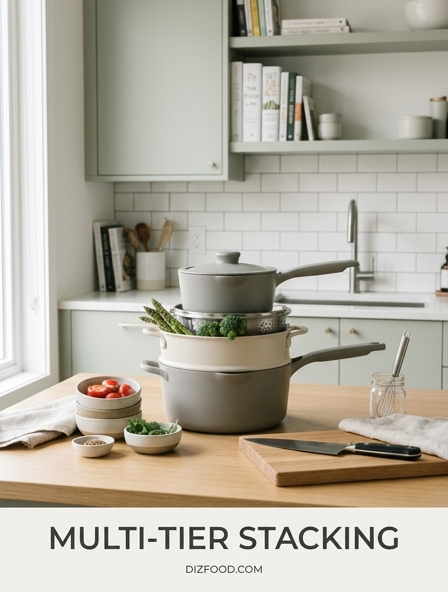
Maximizing Vertical Kitchen Space for Steaming
Vertical space is an often underutilized asset in modern kitchens, particularly when preparing multiple dishes simultaneously. By employing multi-tier stacking systems, cooks can transform a single burner's footprint into a high-capacity cooking station. This approach is essential for small urban kitchens where countertop real estate is at a premium. Instead of occupying four burners with separate pots, a vertical steamer allows for the concentration of heat and moisture upward, utilizing the natural physics of rising steam.
- Utilize stackable bamboo baskets for traditional aeration and moisture control.
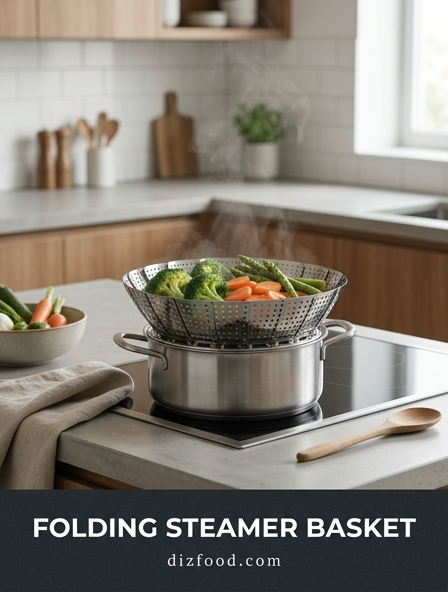
- Employ stainless steel insert tiers for high-temperature durability and easy sanitation.
- Install overhead clearance checks to ensure cabinets are protected from excessive steam output.
- Use universal steamer rings to adapt smaller pots to larger stacked tiers.
The efficiency of vertical steaming lies in its ability to harness a single energy source to cook an entire meal. By layering ingredients strategically, the cook ensures that every cubic inch of the steaming column serves a functional purpose. This method not only organizes the workflow but also keeps the kitchen cooler by containing the thermal energy within a singular, upright structure.
Layering Techniques for Batch Meal Prep
Effective batch meal prep requires a sophisticated understanding of ingredient density and moisture requirements. When stacking multiple tiers, the placement of specific items dictates the quality of the final output. The bottom tier, being closest to the boiling water, receives the most intense heat and direct moisture, making it ideal for the most resilient ingredients. As you move up the stack, the steam becomes slightly cooler and more diffused, which is perfect for delicate items that might otherwise break down under high pressure.
- Place root vegetables like carrots and potatoes in the bottom tier to ensure thorough softening.
- Position proteins such as chicken breasts or fish fillets in the middle layers for even cooking.
- Reserve the top tier for leafy greens, dumplings, or delicate herbs that require minimal heat.
- Line tiers with cabbage leaves or parchment paper to prevent sticking and maintain structural integrity.
By mastering these layering techniques, you can prepare a week's worth of diverse components in a single session. This organization minimizes the risk of overcooking delicate items while ensuring that dense starches reach the perfect texture. The result is a streamlined meal prep process that maintains the nutritional value and aesthetic appeal of the food.
Optimal Heat Distribution in Stacked Tiers
Maintaining consistent heat distribution across multiple levels is the primary challenge of tiered steaming. As steam rises, it naturally loses a fraction of its thermal energy; however, in a well-sealed system, this gradient is minimal. To achieve uniform results, the volume of steam generated must be sufficient to pressurize the entire stack. This requires a steady boil and a secure fit between each layer to prevent lateral steam leakage, which can lead to cold spots and unevenly cooked ingredients.
| Tier Level | Heat Intensity | Best Suited For |
|---|---|---|
| Lower Tier | Direct / High | Grains, Beans, Root Crops |
| Middle Tier | Consistent / Moderate | Poultry, Seafood, Firm Vegetables |
| Upper Tier | Gentle / Diffused | Dim Sum, Greens, Soft Tofu |
The material of the tiers also plays a role in heat retention. Bamboo offers natural insulation and absorbs excess moisture, preventing "wet" food, while metal tiers conduct heat more rapidly for faster cook times. Understanding these thermodynamics allows for precise control over the culinary environment, ensuring that the top layer finishes in synchronization with the bottom layer despite the distance from the heat source.
Sequential Loading for Multi-Ingredient Batches
Sequential loading is a strategic timing method used to ensure that all components of a multi-tier meal reach peak doneness simultaneously. Since different ingredients have varying cook times, they should not all be placed on the heat at the same moment. This staggered approach allows the cook to manage a complex menu within a single vertical stack. By starting with the longest-cooking items at the base, you create a foundation that can support the addition of lighter tiers as the cooking cycle progresses.
- Start the bottom tier with brown rice or dense tubers 20 minutes before adding others.
- Add the second tier containing thick-cut proteins after the first 10 minutes of cooking.
- Place the final tier of quick-cooking greens or shrimp for the last 5 minutes of the process.
- Monitor water levels in the base pot frequently to prevent scorching during long sequences.
This method eliminates the need for multiple timers and reduces the likelihood of some dishes going cold while others finish. It requires a disciplined workflow where prep is completed entirely before the first tier hits the water. When executed correctly, the entire stack can be removed at once, providing a hot, fully integrated meal ready for immediate service or storage.
Essential Gear for High-Volume Steaming
Scaling up your steaming capabilities requires specialized equipment designed to handle the weight and moisture of multiple tiers. The foundation of any high-volume setup is a robust base pot with a high liquid capacity to sustain long periods of steam production. Without a deep reservoir, you risk running dry mid-cycle, which can damage the cookware and ruin the food. Choosing the right material for the tiers themselves is equally important, as each offers different advantages for specific culinary needs.
- Stainless Steel Tiers: Durable, dishwasher-safe, and excellent for heavy proteins.
- Bamboo Steamers: Traditional, moisture-wicking, and stackable up to five or six levels high.
- Steamer Rings: Aluminum or steel adapters that allow tiers to sit securely on various pot sizes.
- Perforated Silicone Mats: Reusable liners that ensure easy release of delicate doughs and skins.
Investing in high-quality gear ensures that the tiers lock together tightly, creating an airtight seal. This seal is vital for maintaining the internal pressure required to push steam through the upper levels of a high stack. Additionally, ergonomic handles and heat-resistant grips are essential for safely deconstructing a hot, towering steamer when the cooking process is complete.
Time Management Strategies for Tiered Cooking
Mastering multi-tier cooking is as much about logistics as it is about flavor. The primary goal is to synchronize the finish times of disparate ingredients so that the meal is served at its textural peak. This begins with a "reverse-engineered" timeline, where the ingredient with the longest cooking duration dictates the start time. Prep work must be completed in its entirety before the heat is applied, as the rapid pace of tiered cooking leaves little room for mid-process chopping or marinating.
- Group ingredients by their required cooking times (e.g., 5-minute, 10-minute, and 20-minute groups).
- Use a digital multi-timer to track when each tier needs to be added to the stack.
- Keep a kettle of boiling water nearby to top off the base pot without dropping the temperature.
- Prepare ice baths for vegetables if you are batch prepping for later consumption to stop the cooking immediately.
Effective time management reduces stress and prevents the common pitfall of oversteaming. Because steam is a "hidden" heat source, it is easy to lose track of the internal state of the food. A disciplined schedule ensures that the bottom layers don't turn to mush while you are waiting for the top layers to finish.
Reducing Energy Waste with Stacked Steamers
From an environmental and economic perspective, stacked steaming is one of the most efficient cooking methods available. Conventional cooking often involves multiple burners operating at once, each losing a significant amount of heat to the surrounding air. In contrast, a stacked system captures the thermal energy from a single burner and recycles it as it travels through each successive layer. This concentrated use of heat significantly lowers the total energy consumption required to produce a full-course meal.
- Minimize heat loss by using a tight-fitting lid on the uppermost tier of the stack.
- Match the diameter of the base pot to the burner size to avoid wasting peripheral heat.
- Pre-boil water in an electric kettle, which is often more energy-efficient than a stovetop.
- Use a tiered system to reheat leftovers alongside new items, doubling the utility of the steam.
By reducing the number of appliances in use, you also minimize the carbon footprint of your kitchen. The efficiency is further amplified when cooking in bulk, as the energy required to steam three tiers is only marginally higher than that required for one. This makes vertical stacking an ideal practice for the eco-conscious home cook looking to optimize resources.
Preventing Cross-Contamination in Multi-Level Tiers
When cooking different food groups in a shared steam column, preventing the transfer of juices and flavors is critical for safety and taste. Gravity causes liquids from the upper tiers to drip onto the lower tiers, which can lead to "flavor bleeding" or, more seriously, cross-contamination between raw proteins and ready-to-eat vegetables. Proper placement and the use of barriers are the standard protocols for maintaining the integrity of each individual dish within the stack.
| Placement | Food Type | Barrier Strategy |
|---|---|---|
| Bottom | Raw Meats/Seafood | Solid plate or deep bowl |
| Middle | Starchy Vegetables | Perforated parchment paper |
| Top | Breads/Grains | Tight weave cloth or leaf lining |
Always place the most "leak-prone" items at the very bottom to ensure their juices don't contaminate other layers. If a protein must be placed in a middle tier, it should be contained within a shallow dish to catch all drippings. These precautions ensure that your broccoli doesn't taste like fish and that all items remain safe for consumption, especially when dealing with varying internal temperature requirements.
Scaling Healthy Recipes for Bulk Steaming
Steaming is celebrated for its ability to preserve water-soluble vitamins and minerals that are often lost during boiling or frying. When scaling healthy recipes for bulk production, the multi-tier method allows for large quantities of nutrient-dense food without the need for added oils or fats. This is particularly beneficial for those following strict dietary regimens or preparing meals for large families. The key to successful scaling is maintaining airflow; overcrowding a single tier will result in uneven cooking regardless of the total number of layers.
- Spread ingredients in a single, even layer within each tier to allow steam to circulate freely.
- Cut vegetables and proteins into uniform sizes to ensure consistent nutrient retention.
- Use aromatics like ginger, garlic, or lemon slices in the water to infuse flavor without sodium.
- Steam larger batches of grains like quinoa or farro in the bottom tier using a heat-proof bowl.
Scaling up doesn't mean sacrificing quality. By distributing the volume across three or four tiers, you maintain the gentle cooking environment that makes steaming so healthy. This approach allows for the creation of diverse, whole-food components that can be mixed and matched throughout the week, supporting a balanced and efficient lifestyle.
Streamlining Cleanup After Large Batch Sessions
The cleanup process for multi-tier steaming can be remarkably simple if approached with the right preventative measures. Unlike roasting or frying, which often result in burnt-on grease and heavy scrubbing, steaming generally leaves behind only moisture and minimal food residue. However, when working with large batches, the volume of equipment can become overwhelming. Implementing a workflow for cleaning as you go and using protective barriers can significantly reduce the time spent at the sink.
- Use perforated parchment liners or silicone mats to prevent food from sticking to the tiers.
- Rinse bamboo tiers immediately with hot water; avoid soap to prevent flavor absorption into the wood.
- Soak stainless steel tiers in warm, soapy water shortly after use to loosen any protein residues.
- Wipe down the base pot and check for mineral deposits from the evaporated water.
Proper storage of tiered equipment is the final step in a streamlined session. Ensure bamboo components are completely dry before stacking them for storage to prevent mold growth. By maintaining your gear and using non-stick strategies, the cleanup for a ten-dish meal prep session can be completed in a fraction of the time required for traditional cooking methods, leaving the kitchen organized and ready for the next use.

Comments