
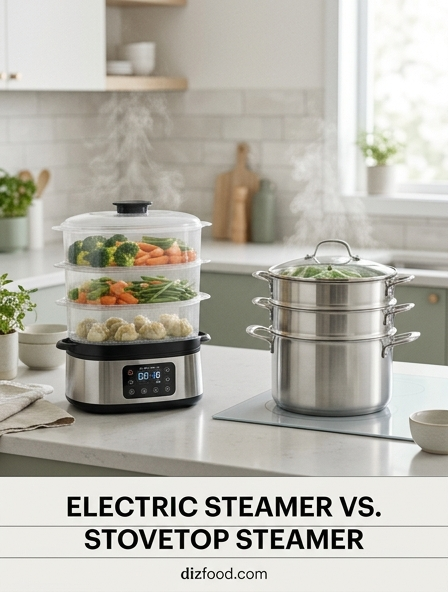
In the fast-paced world of modern cooking, safety and convenience have become top priorities for every home chef. An automatic shut-off feature is essential for modern steamer safety because it acts as a reliable fail-safe, preventing dangerous dry-boil accidents and potential fire hazards when water levels run low. Unlike traditional models that require constant supervision, these intelligent appliances provide total peace of mind by automatically powering down the moment the cycle ends or the reservoir empties. This ensures your meals are perfectly prepared while keeping your kitchen a secure environment. When choosing your next appliance, it is vital to understand the nuances of an automatic shut-off steamer vs. manual timer steamer to find the best fit for your lifestyle.

Preventing Kitchen Fires with Auto-Shutoff
Kitchen fires remain one of the leading causes of residential property damage, often originating from unattended cooking surfaces or overheated appliances. The integration of automatic shut-off mechanisms acts as a primary line of defense against these disasters. When a device like a toaster or an electric griddle detects a temperature spike that exceeds safe operating parameters, the internal circuit breaks immediately, halting the flow of electricity before a flame can ignite. This technology is particularly vital in appliances that use high-wattage heating elements which can reach critical temperatures in seconds.
- Stovetop Sensors: Detect if a pan has been left on a burner for an extended period without movement.
- Toaster Cut-offs: Stop the heating process if bread becomes jammed and begins to smoke.
- Oven Timers: Automatically transition to a "keep warm" or "off" mode once the programmed duration concludes.
By removing the human element of error-such as forgetfulness or falling asleep-these systems significantly lower the risk of structural fires. Modern smart kitchens often synchronize these shut-off features with home automation systems, providing an extra layer of security that ensures the heart of the home remains safe even when life becomes chaotic and distractions occur.
The Critical Role of Boil-Dry Protection
Boil-dry protection is a specialized form of automatic shut-off specifically designed for liquid-heating appliances like electric kettles and coffee makers. When the water level drops below a certain threshold or evaporates entirely, the internal temperature of the vessel rises at an accelerated rate. Without a safety switch, the heating element would continue to glow red-hot, potentially melting the housing or causing an electrical short. This feature utilizes a bimetallic strip or a thermal sensor that reacts to the sudden absence of water, clicking the unit off instantly.
| Appliance Type | Trigger Mechanism | Primary Benefit |
|---|---|---|
| Electric Kettle | Steam Pressure/Thermal | Prevents element burnout |
| Espresso Machine | Float Switch/Sensor | Protects internal pump |
| Rice Cooker | Weight/Temperature | Ensures rice doesn't burn |
This protective layer not only saves the appliance from permanent failure but also prevents the release of toxic fumes that can occur when plastic components or non-stick coatings are subjected to extreme, dry heat. For the consumer, it means the difference between a minor inconvenience and the total loss of a kitchen gadget.
Enhanced Energy Efficiency in Modern Steamers
Automatic shut-off technology is a cornerstone of energy conservation in the contemporary kitchen. Food steamers and multi-cookers that operate without these sensors often waste significant amounts of electricity by continuing to produce heat long after the cooking process is complete. By utilizing precision sensors that cut power the moment the optimal temperature or moisture level is reached, these appliances ensure that energy consumption is strictly limited to what is necessary for the meal. This precision prevents the "vampire" energy draw associated with devices that remain in high-power standby modes.
Furthermore, energy efficiency is maximized during the steaming process through the following methods:
- Load Sensing: Adjusting the heating cycle based on the volume of food within the steamer baskets.
- Vapor Detection: Shutting off the main element once a specific internal pressure is maintained.
- Timed Deactivation: Hard-coded limits that prevent the machine from running indefinitely if forgotten.
Reducing energy waste not only lowers monthly utility bills but also extends the life of the appliance's internal components. When a steamer shuts off promptly, it avoids the unnecessary thermal cycling that eventually leads to the degradation of capacitors and wiring, making it a sustainable choice for the environmentally conscious cook.
Avoiding Overcooked Meals and Food Waste
Beyond safety and energy concerns, automatic shut-off serves a vital culinary purpose: maintaining food quality. Overcooking is the primary cause of food waste in many households, as dried-out proteins and mushy vegetables are often discarded. Smart appliances equipped with thermal probes or weight sensors can determine exactly when a dish has reached its ideal internal temperature. For example, modern slow cookers will transition from "High" to "Warm" automatically, preventing the meat from becoming tough and fibrous while still keeping it at a food-safe temperature for serving.
This technology is particularly effective for delicate tasks like poaching or steaming, where a few minutes can mean the difference between a perfect meal and an inedible one. By automating the end of the cooking cycle, the kitchen environment becomes more forgiving. Users no longer need to hover over the stove with a stopwatch; instead, they can rely on the appliance to preserve the texture, flavor, and nutritional profile of the ingredients. This reliability encourages more home cooking, as the "fear of failure" regarding timing is effectively removed by the hardware's internal logic and sensor feedback.
How Smart Sensors Detect Low Water Levels
The engineering behind detecting low water levels involves sophisticated sensor technology that differentiates between a full reservoir and an empty one. Most modern kitchen appliances utilize one of three primary sensing methods. Capacitive sensors detect changes in the electrical field caused by the presence of water through the walls of a tank. Optical sensors use infrared light to check for the refraction that occurs only when liquid is present. Finally, thermal sensors monitor how quickly a surface cools; since water absorbs heat better than air, a rapid rise in sensor temperature indicates the water has run out.
- Capacitive Sensing: No moving parts, highly reliable for clear or dark liquids.
- Optical Refraction: Accurate for precise measurements in espresso machines.
- Conductivity Probes: Measures the electrical current between two points to confirm liquid presence.
Once the sensor detects a "dry" state, it sends an immediate signal to the control board to terminate the heating cycle. This response happens within milliseconds, often before the user even notices the water level is low. This high-speed communication between the sensor and the power relay is what makes automatic shut-off an invisible but indispensable guardian of kitchen technology and appliance longevity.
Protecting Your Appliance from Thermal Damage
Every kitchen appliance has a thermal ceiling-a point where the heat generated by the device begins to damage its own internal architecture. Without automatic shut-off, the delicate soldering, plastic gaskets, and electronic chips within a microwave or air fryer would quickly succumb to heat soak. Thermal damage is cumulative; even if an appliance doesn't catch fire, repeated overheating can warp metal components or cause plastic parts to become brittle and crack. Auto-shutoff features act as a governor, ensuring that the internal environment never reaches these destructive thresholds.
In devices like high-speed blenders, thermal protection is critical. If the motor is strained by thick ingredients, it generates friction and heat. A thermal fuse will trip to shut down the motor before the copper windings melt. This protection saves the consumer from expensive repairs or the need to replace the entire unit. By prioritizing the structural integrity of the machine, manufacturers ensure that their products provide years of service rather than failing after the first instance of heavy use or accidental misuse. Protecting the hardware is just as important as protecting the kitchen itself.
Peace of Mind for Busy Home Cooks
The modern lifestyle often requires multitasking, which can lead to distractions while preparing meals. For parents, remote workers, or caregivers, the ability to walk away from a boiling pot or a running oven without anxiety is a significant psychological benefit. Automatic shut-off provides "cognitive offloading," allowing the cook to focus on other tasks while the appliance manages its own safety. This peace of mind is one of the most cited reasons for upgrading to "smart" kitchen gadgets. Knowing that the kettle will turn itself off or the oven will stop at the end of a timer reduces the mental load of household management.
Consider the common scenario of leaving the house and wondering, "Did I leave the stove on?" With auto-shutoff and connected kitchen technology, this fear is mitigated. Some systems even send a notification to a smartphone when the shut-off has been triggered. This creates a fail-safe environment where human error is expected and accounted for. Consequently, the kitchen becomes a less stressful space, fostering creativity and enjoyment in cooking rather than constant vigilance and the fear of a potential accident or a ruined dinner due to a simple moment of forgetfulness.
Safety Standards for Contemporary Kitchen Gadgets
The prevalence of automatic shut-off features is not merely a trend but a response to rigorous safety standards set by international regulatory bodies. Organizations such as Underwriters Laboratories (UL), the Intertek Group (ETL), and the European Commission (CE) mandate specific safety protocols for appliances to receive certification. These standards often require that any device with a heating element must have a secondary safety cutoff that operates independently of the primary thermostat. This redundancy ensures that even if the main control board fails, a mechanical thermal fuse will still break the circuit.
| Standard Body | Focus Area | Requirement Example |
|---|---|---|
| UL/CSA | North America | Secondary thermal cut-off mandatory |
| CE Mark | European Union | Electromagnetic and heat safety limits |
| IEC | Global | Standardized testing for "unattended" use |
These regulations force manufacturers to prioritize consumer safety over cost-cutting measures. As these standards evolve, we see more appliances incorporating advanced sensors as a baseline feature. Compliance with these rules is essential for market entry, ensuring that every toaster or air fryer sold in reputable stores meets a minimum threshold of automated safety to protect the public from preventable kitchen accidents.
Reducing Heat-Related Household Accidents
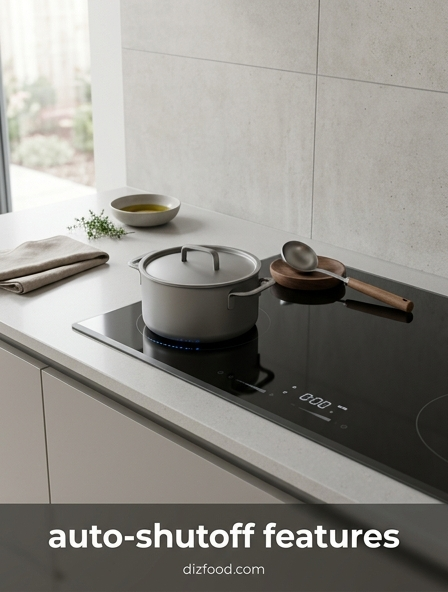
Automatic shut-off technology plays a vital role in protecting vulnerable members of the household, including children and the elderly. Accidents involving boiling water or hot surfaces can happen in a split second. By ensuring that appliances like kettles and induction cooktops shut off as soon as they are no longer in active use, the window of time for an accidental burn is greatly reduced. For example, induction burners only heat the cookware itself and shut off automatically when the pan is removed, leaving the surface relatively cool to the touch and preventing burns if a child reaches up to the counter.
In households with elderly residents, particularly those dealing with cognitive decline or memory issues, auto-shutoff is a life-saving necessity. It prevents scenarios where a burner might be left on for hours or a kettle is left to boil until it becomes a fire hazard. These features allow for greater independence for seniors, as the "smart" kitchen compensates for lapses in memory. Reducing the ambient heat in the kitchen also creates a more comfortable environment, preventing heat exhaustion during long cooking sessions in smaller or poorly ventilated spaces.
Why Manual Monitoring Is a Thing of the Past
The evolution of the kitchen from a place of constant manual labor to a hub of automated convenience is largely defined by the move away from manual monitoring. In the past, cooking required a constant presence to ensure water didn't boil over and food didn't catch fire. This restricted the cook's ability to engage with family or perform other duties. Today, the "set it and forget it" mentality is enabled by reliable automatic shut-off systems. We have transitioned from mechanical timers that merely dinged to integrated systems that take physical action to cut power or gas flow.
This shift represents a broader trend in domestic technology where the appliance takes on the role of an assistant. Manual monitoring is inherently flawed because it relies on human attention, which is naturally inconsistent. Automated systems, however, are vigilant 100% of the time. As sensors become cheaper and more sophisticated, the expectation of "built-in intelligence" has become the standard. A modern kitchen appliance without an auto-shutoff feature is now viewed as obsolete, as consumers prioritize the safety, efficiency, and convenience that only automated monitoring can provide in a fast-paced, modern world.

Comments