
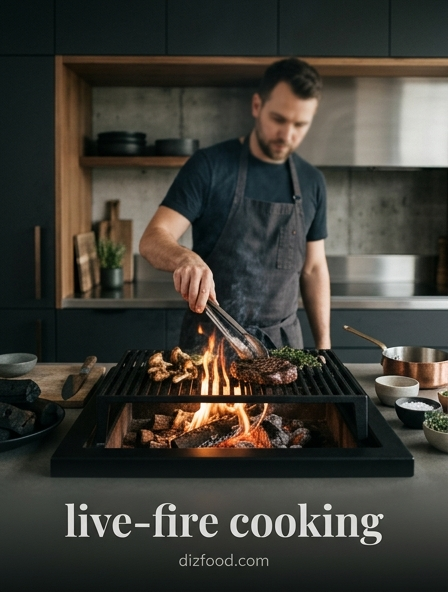
The Allure of Open Fire Cooking
Live-fire cooking represents the pinnacle of culinary artistry, blending raw elemental power with refined technique. Unlike gas or electric heat, open flames introduce a dynamic complexity through radiant heat and aromatic smoke. The crackle of burning hardwood and the dancing shadows of the hearth create a multisensory environment that transforms a simple meal into an immersive event. This method celebrates the unpredictability of nature, requiring a chef to engage deeply with the ingredients and the environment. The result is a charred exterior and a succulent interior that modern appliances struggle to replicate.
- Maillard reaction intensity for superior crust development.
- Infusion of wood-derived aromatics like hickory, oak, or mesquite.
- Versatile heat zones ranging from searing flames to gentle embers.
- Visual spectacle that serves as live entertainment for guests.
Building a Social Hub Around the Hearth
The hearth has historically served as the physical and metaphorical center of the home. In contemporary kitchen design, integrating a live-fire element re-establishes this tradition, drawing guests away from static seating and toward the warmth of the flames. This communal focus encourages interaction, as the cooking process becomes a shared spectacle rather than a sequestered chore. The ambient light and radiant heat foster a sense of security and togetherness, naturally facilitating conversation. Whether it is a dedicated indoor wood-burning oven or an expansive outdoor fire pit, the fire serves as a magnet for social interaction, anchoring the home's hospitality. By positioning the cooking area as an island of warmth, the host invites guests to witness the transformation of raw ingredients, turning the preparation of food into a collective experience that lingers long after the embers have faded into ash.
Techniques for Mastering Smoky Flavors
Achieving the perfect smoky profile requires more than just ignition; it demands an understanding of fuel chemistry and heat management. The type of wood selected determines the flavor trajectory of the dish. Hardwoods like oak provide a steady, neutral base, while fruitwoods like cherry or apple lend a subtle sweetness. Managing the "blue smoke"-the clean, translucent output of a well-oxygenated fire-is essential for avoiding bitter, creosote-laden results. Techniques such as cold smoking, reverse searing, and ember-roasting allow for varying intensities of smoke penetration.
| Wood Type | Flavor Profile | Best Pairing |
|---|---|---|
| Hickory | Strong, Bacon-like | Pork and Ribs |
| Apple | Mild, Fruity | Poultry and Fish |
| Mesquite | Intense, Earthy | Beef Brisket |
The Primal Connection of Outdoor Grilling
Outdoor grilling taps into a deep-seated human instinct that predates modern civilization. Stepping away from the sterile environment of an indoor kitchen allows the cook to reconnect with the natural world. The interaction between the wind, the ambient temperature, and the charcoal creates a variable cooking environment that rewards intuition and vigilance. This primal connection is reinforced by the physical act of managing a fire, which requires a fundamental understanding of oxygen flow and fuel consumption. It is a celebratory return to basics that elevates the act of nourishment into a ritual of survival and craftsmanship.
- Sourcing high-quality, sustainable hardwoods or lump charcoal.
- Establishing a dual-zone fire for direct and indirect heat.
- Monitoring the convection currents within the grill chamber.
- Resting the proteins to allow juices to redistribute after the fire.
Elevating Atmosphere with Live Fire
Beyond the culinary benefits, live fire serves as a powerful atmospheric tool. The flickering glow of embers provides a sophisticated lighting scheme that no LED can mimic, casting soft, warm tones across the dining area. The olfactory impact of burning wood-ranging from the peppery scent of mesquite to the nostalgic aroma of pine-immediately signals a special occasion. This sensory layer prepares the palate for the meal ahead, building anticipation. When integrated into a well-designed kitchen, the fire acts as living art, providing a focal point that changes throughout the evening as logs shift and flames subside into a steady, pulsing crimson. This atmospheric depth transforms a standard dinner into a curated event, where the environment is as much a part of the menu as the food itself. The presence of fire naturally slows the pace of the evening, encouraging guests to linger and enjoy the radiant comfort of the space.
Essential Elements of the Outdoor Kitchen
A high-functioning outdoor kitchen must balance rugged durability with ergonomic design. Unlike indoor spaces, these kitchens must withstand environmental exposure while providing the same level of utility. High-grade stainless steel, natural stone, and heat-resistant masonry are the foundational materials. Proper layout is crucial, ensuring a logical flow from the prep station to the fire source. Effective ventilation is also paramount to ensure that smoke enhances the food without overwhelming the guests. Storage for fuel, such as dry wood or charcoal, must be integrated seamlessly to keep the workspace organized and efficient.
- Weather-resistant cabinetry and stone countertops.
- Integrated fuel storage for wood, coal, or kindling.
- High-capacity ventilation hoods or open-air placement.
- Dedicated zones for prep, cooking, and sanitation.
- Integrated lighting for evening culinary sessions.
Crafting Memorable Smoky Menus
Designing a menu for live-fire cooking involves layering flavors and textures that benefit from high-heat caramelization. It is not limited to proteins; vegetables, fruits, and even desserts gain complexity when kissed by flame. A successful menu balances the heavy, charred notes of the main course with bright, acidic accompaniments to cleanse the palate. Utilizing different stages of the fire-from high-flame searing to slow-burning embers-allows for a multi-course experience that showcases the versatility of wood-fired heat.
| Course | Fire Technique | Ingredient |
|---|---|---|
| Appetizer | Charring | Blistered Shishito Peppers |
| Main | Slow-Smoking | Herb-Crusted Prime Rib |
| Side | Ember-Roasting | Salt-Crusted Beets |
| Dessert | Direct Grilling | Caramelized Peaches |
The Psychology of Gathering Near Fire
Psychologically, humans are hardwired to find comfort in the presence of fire. Research suggests that sitting by a crackling hearth can lower blood pressure and induce a state of relaxation. This response likely stems from our ancestral past, where fire provided protection from predators and a means to cook food, signaling safety and community. In a modern context, this translates into a unique social lubricant that breaks down barriers and encourages long-form storytelling. The fire provides a "soft fascination" focal point, allowing guests to relax their attention and engage more deeply with those around them. This shared focus creates a sense of belonging and rhythmic calm that is difficult to achieve in environments dominated by artificial screens or harsh overhead lighting. The primal nature of the flame strips away the complexities of modern life, returning the act of eating to its most fundamental and connective form, fostering genuine bonds between all present.
Sophisticated Tools for the Modern Pitmaster
While the fire itself is ancient, the tools used to manage it have become increasingly sophisticated. Modern pitmasters utilize a combination of traditional ironwork and high-precision technology to achieve consistent results. Digital wireless thermometers allow for internal temperature monitoring without opening the smoker and losing heat. Specialized tools like Argentinian-style Santa Maria grills provide mechanical control over the distance between the food and the coals. These instruments do not replace the skill of the chef but rather extend their capability, allowing for a level of precision that was previously unattainable in live-fire scenarios.
- Infrared thermometers for mapping surface temperatures.
- Long-handled cast iron skillets for sear-to-fire transitions.
- Adjustable-height grates for precise thermal control.
- Heavy-duty fire pokers and coal shovels for bed management.
- Bluetooth-enabled probes for long-duration smokes.
Designing Spaces for Culinary Connection
Designing a space for live-fire cooking requires a thoughtful approach to architectural flow and social dynamics. The goal is to create a "theater of food" where the chef and the guests occupy a shared environment. This often involves open-concept layouts with tiered seating or bar counters that wrap around the cooking zone. Materiality plays a key role, using textures like hand-hewn wood and hammered copper to echo the organic nature of the fire. Lighting should be dim and warm to complement the hearth, ensuring the flame remains the primary light source. Ultimately, the design should facilitate a seamless transition from the heat of the kitchen to the comfort of the table. By treating the cooking element as a centerpiece rather than a utility, the architecture reinforces the social value of the meal. Ventilation must be disguised within the design to maintain the aesthetic integrity while ensuring a safe and comfortable breathing environment for everyone involved in the culinary experience.

Comments