
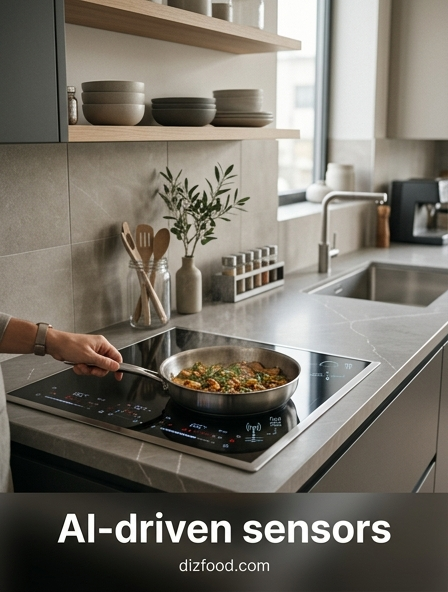
AI-driven sensors are revolutionizing the modern culinary experience by bringing unprecedented efficiency to your daily kitchen management. These intelligent devices continuously monitor shelf life and inventory levels, taking the guesswork out of meal planning while drastically reducing household food waste. By alerting you to items nearing their expiration dates and suggesting recipes for what you already have, these sensors ensure your ingredients stay fresh and your pantry remains organized. This technological leap not only saves you money but also promotes a more sustainable, eco-friendly lifestyle. Finding the perfect balance between high-tech automation and local tradition is essential, especially when weighing the benefits of Smart Fridge Grocery Lists vs Farmers Market Excursions.
Smart Kitchen Sensors Enhance Social Hosting
The integration of AI-driven sensors into the modern kitchen has fundamentally changed how hosts interact with their guests. Traditionally, hosting a dinner party required constant movement between the dining area and the stove, often leading to fragmented conversations and missed moments. Smart sensors now act as a digital sous-chef, monitoring internal temperatures and surface heat with surgical precision. By transmitting real-time data to a smartphone or smartwatch, these devices allow the host to remain present at the table without the anxiety of overcooking a main course.
- Infrared heat sensors prevent pan flare-ups during appetizers.
- Proximity sensors adjust ambient lighting when guests enter the kitchen zone.
- Acoustic sensors detect boiling points to prevent messy overflows.
- Integrated timers sync multiple dishes for a unified serving time.
This technological shift prioritizes human connection over manual labor. When the technical aspects of cooking are automated through sensitive, reactive hardware, the kitchen transforms from a high-stress workspace into a fluid social hub. The result is a more relaxed atmosphere where the host can focus on the art of conversation while the AI handles the logistics of heat and timing.
Real Time Freshness Tracking Reduces Food Waste
One of the most significant challenges in maintaining an efficient kitchen is the management of perishable items. AI-driven freshness sensors utilize molecular analysis and visual recognition to track the degradation of produce and proteins. Unlike traditional "best by" dates, which are often conservative estimates, these sensors analyze the actual state of the food. They detect specific chemical markers, such as ethylene gas emitted by ripening fruit, to provide an accurate window for consumption. This precision ensures that ingredients are used at their peak flavor profile rather than being prematurely discarded.
Furthermore, these sensors can be integrated into smart refrigeration systems that alert the user when specific items are nearing their expiration. This proactive approach encourages creative cooking based on what is available, rather than what was planned days in advance. By providing a clear, data-driven view of the pantry's health, AI sensors empower users to make informed decisions about their consumption. This not only saves money on grocery bills but also aligns with a more conscious lifestyle where every ingredient is valued and utilized to its full potential, significantly lowering the household's overall waste output.
Automated Inventory Management for Stress Free Parties
Organizing a large gathering often leads to the realization that critical ingredients are missing at the last minute. AI-driven inventory management systems solve this by utilizing weight-sensitive shelving and computer vision cameras to track stock levels in real-time. These sensors provide an live digital inventory that can be accessed via mobile applications, ensuring the host always knows exactly how much flour, wine, or cheese is on hand. When preparing for a party, the system can cross-reference recipes with current stock to generate an optimized shopping list.
| Sensor Type | Function | Hosting Benefit |
|---|---|---|
| Load Cells | Measures weight of dry goods | Alerts when staples are low |
| Image Sensors | Identifies labels and quantities | Visual confirmation of stock |
| RFID Tags | Tracks individual item movement | Prevents "hidden" expired items |
This level of automation removes the manual effort of auditing cupboards before an event. By maintaining a constant pulse on the kitchen's resources, the AI minimizes the risk of mid-party shortages. Hosts can confidently plan complex menus knowing the inventory is verified, leading to a much more streamlined and enjoyable preparation process for any social occasion.
Smart Spoilage Detection Keeps Ingredients Party Ready
Nothing ruins a social gathering faster than foodborne illness or off-tasting ingredients. Smart spoilage sensors utilize "electronic noses"-arrays of gas sensors that detect Volatile Organic Compounds (VOCs) and specific pathogens like Salmonella or E. coli before they become detectable to human senses. These sensors provide an invisible layer of protection, constantly scanning the air inside refrigerators and storage bins. For hosts, this means absolute confidence in the safety and quality of the appetizers and entrees being served to friends and family.
- Early detection of meat spoilage via ammonia and sulfur monitoring.
- Identification of mold spores in humidity-controlled crisper drawers.
- Real-time alerts sent to mobile devices if storage temperatures fluctuate.
- Verification of cold-chain integrity for sensitive seafood and dairy.
By shifting from a reactive "smell test" to a proactive sensor-based analysis, the kitchen becomes a safer environment for culinary experimentation. The sensors ensure that every ingredient used in a party menu is at its biological prime. This technology acts as a silent guardian, filtering out risks and ensuring that the host's reputation for quality remains untarnished throughout the event.
Streamlined Meal Prep with AI Ingredient Monitoring
The preparation phase of hosting is often the most time-consuming and chaotic part of the evening. AI ingredient monitoring systems utilize overhead cameras and smart scales to assist the cook in real-time. As ingredients are chopped, weighed, and portioned, the system tracks the progress against a digital recipe. If a user accidentally skips a step or miscalculates a measurement, the sensor-driven interface provides immediate haptic or visual feedback. This reduces the cognitive load on the cook, making it easier to manage multiple dishes simultaneously without losing track of the details.
This streamlined workflow is particularly beneficial when preparing complex, multi-course meals for guests. The AI can suggest the most efficient order of operations based on current prep speeds and oven availability. For example, if the sensors detect that the vegetable prep is moving faster than anticipated, it might suggest starting the protein searing earlier to ensure everything finishes at the same time. By transforming the prep area into an intelligent workspace, these sensors allow for a level of culinary precision that was previously only available to professional chefs in high-end commercial kitchens.
Sustainable Hosting Through Precision Food Management
Modern hosting is increasingly focused on sustainability and reducing the environmental footprint of large meals. AI sensors play a crucial role in this shift by enabling precision food management throughout the entire lifecycle of a dinner party. By accurately calculating portions based on the number of guests and their historical consumption patterns, these systems help prevent over-purchasing and over-cooking, two primary drivers of residential food waste. The process of sustainable hosting can be broken down into three sensor-enabled phases:
- Pre-party Planning: Using historical data sensors to predict actual consumption needs.
- Active Cooking: Utilizing thermal sensors to ensure energy efficiency during appliance use.
- Post-party Management: Employing freshness sensors to identify which leftovers can be safely preserved.
Beyond waste reduction, these sensors also monitor resource usage, such as water and electricity. Smart faucets with flow sensors prevent unnecessary water loss during cleanup, while AI-enabled ovens optimize heating cycles to use the minimum amount of energy required. This data-driven approach allows hosts to provide a luxurious experience for their guests while maintaining a commitment to environmental stewardship and responsible resource management in the heart of the home.
Enhancing Guest Connections with Automated Kitchen Workflows
The ultimate goal of any social kitchen technology is to remove the barriers between the host and the guests. Automated kitchen workflows, powered by a network of interconnected AI sensors, allow for a "set it and forget it" mentality that is revolutionary for home entertaining. When the oven knows the exact internal temperature of the roast, and the stovetop can maintain a perfect simmer for a sauce without human intervention, the kitchen no longer demands the host's constant attention. This freedom allows the host to participate in the party as a guest rather than a worker.
The connectivity between sensors also creates a cohesive environment where the kitchen responds to the flow of the party. If sensors detect that the dining room is becoming warmer as more guests arrive, the smart HVAC system can compensate, while the refrigerator increases ice production in anticipation of higher demand. These subtle adjustments happen in the background, ensuring the comfort of the guests without the host ever having to check a thermostat or an ice bin. By automating these workflows, the kitchen becomes an extension of the host's hospitality, working tirelessly to ensure the event runs smoothly while the people remain the central focus.
Minimizing Environmental Impact in the Social Kitchen
Environmental consciousness is a hallmark of the modern home, and AI sensors are the tools that make this possible in a social context. In a kitchen designed for hosting, the environmental impact can spike significantly during large events. Smart sensors mitigate this by monitoring the efficiency of every appliance. For instance, smart sensors in dishwashers detect the level of turbidity in the water, adjusting the cycle length and water usage based on how dirty the party dishes actually are. This ensures that resources are never wasted on a standardized cycle when a shorter one would suffice.
- CO2 sensors monitor air quality, adjusting ventilation to clear cooking smoke efficiently.
- Power-draw sensors identify appliances that are drawing "vampire" energy when not in use.
- Leak detection sensors prevent water damage and wastage under sinks and behind appliances.
- Compost sensors track the nitrogen-to-carbon ratio in indoor composting units for party scraps.
These technological interventions allow for a "guilt-free" hosting experience. Instead of worrying about the trash cans filling up with plastic or the energy meter spinning rapidly, the host can rely on the AI to maintain the most efficient profile possible. This commitment to the environment through sensor technology reflects a sophisticated approach to modern living where technology and nature exist in a balanced, monitored harmony.
Smart Data Insights for Efficient Grocery Planning
The data collected by kitchen sensors over time provides invaluable insights into a household's eating and hosting habits. By analyzing several months of inventory and consumption data, AI systems can identify trends that are invisible to the naked eye. For example, the system might notice that certain beverages are always exhausted during holiday gatherings or that specific vegetables tend to go to waste. This high-level overview allows for much more efficient grocery planning and budgeting, especially when preparing for large social events that require significant investment.
These insights also help in discovering personal culinary patterns. The AI can suggest shopping lists that maximize the use of items already in the pantry, or it can predict when staples will run out based on past usage rates. During the lead-up to a party, the system can provide a "readiness report," highlighting what needs to be purchased and what can be substituted. This data-driven approach eliminates the guesswork of grocery shopping, ensuring that every dollar spent contributes to a successful event. In the long run, this leads to a more organized kitchen and a more confident host who understands their own needs through the lens of objective data.
The Role of AI Sensors in Modern Gathering Spaces
As the kitchen continues to evolve into the primary gathering space of the home, the role of AI sensors becomes even more central to interior design and functionality. Modern kitchen layouts are increasingly incorporating these sensors into the very fabric of the cabinetry and countertops. This "invisible intelligence" allows the kitchen to remain aesthetically pleasing and minimalist while offering advanced technical capabilities. The kitchen is no longer just a place for food preparation; it is a smart environment that senses movement, temperature, and even the emotional tone of a gathering through acoustic analysis.
In the future, these sensors will likely become even more integrated, connecting the kitchen to the broader smart home ecosystem. Imagine a kitchen that signals the robot vacuum to clean the dining area as soon as the floor sensors detect the meal has moved from the prep stage to the serving stage. Or a kitchen that adjusts its own acoustics to dampen the sound of a running dishwasher while guests are talking nearby. By placing AI sensors at the heart of the home, we are creating spaces that are not only more efficient but also more human-centric, designed to support the joy of gathering through the power of intelligent automation.






Comments