
The Evolution of Sophisticated Mocktails
The landscape of non-alcoholic beverages has undergone a dramatic transformation, moving far beyond the era of overly sweet sodas and basic fruit juices. In the modern kitchen, the rise of the sophisticated mocktail reflects a broader cultural shift toward mindful consumption and culinary curiosity. Today's temperance drinks are designed with the same rigor as high-end cocktails, prioritizing complexity, mouthfeel, and aesthetic appeal. This evolution is driven by a demand for "grown-up" flavors that offer bitterness, astringency, and depth, rather than mere sugar content.
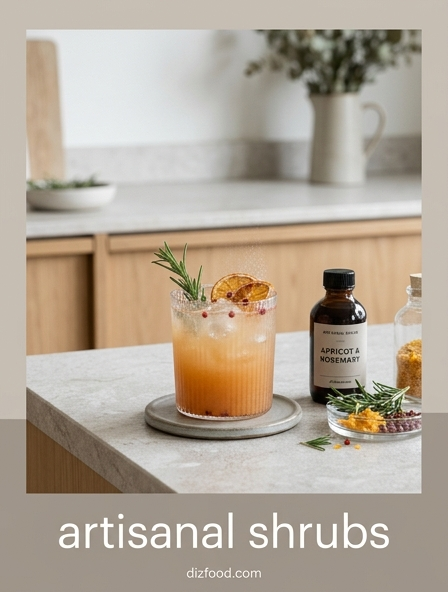
Central to this movement is the reclamation of historical preservation techniques, most notably the use of artisanal shrubs. These vinegar-based syrups provide the essential "bite" that mimics the throat-burn of spirits, allowing for a drinking experience that feels inclusive and intentional. As home cooks and professional bartenders alike experiment with botanical extracts and fermented bases, the boundary between the bar and the kitchen continues to blur. The sophisticated mocktail is no longer a secondary thought but a primary culinary focus, celebrated for its ability to deliver a multi-sensory experience without the presence of alcohol.
Defining Artisanal Shrubs and Flavor Profiles
An artisanal shrub, often referred to as a "drinking vinegar," is a concentrated syrup composed of fruit, sugar, and vinegar. Historically used as a method to preserve fruit before refrigeration, the shrub has been reimagined as a versatile flavor enhancer. The profile of a shrub is defined by its tripartite balance: the initial sweetness of the fruit, the structural weight of the sugar, and the bright, acidic finish of the vinegar. Unlike standard syrups, shrubs offer a fermented complexity that lingers on the palate.
- Stone Fruit Profiles: Peach and apricot shrubs provide a jammy, mellow base that pairs well with light herbs.
- Berry Profiles: Raspberry and blackberry offer vibrant color and high tannins, creating a sharp, refreshing tartness.
- Citrus Profiles: Lemon, lime, and grapefruit zests add essential oils and a bright, aromatic lift to the acid component.
- Savory Profiles: Incorporating ingredients like beets or celery introduces earthy, vegetal notes that challenge traditional drink palettes.
The choice of vinegar-ranging from raw apple cider vinegar to refined champagne or white balsamic-further dictates the final character, allowing for endless customization in the kitchen.
Crafting Complex Syrups in the Modern Kitchen
Creating complex syrups for artisanal shrubs requires a meticulous approach to ingredient extraction. The two primary methods used in the modern kitchen are the cold process and the hot process, each yielding distinct results. The cold process involves macerating fruit in sugar for twenty-four to forty-eight hours, allowing the sugar to draw out the natural juices through osmosis without altering the fruit's raw flavor profile. This method preserves the bright, fresh notes of the produce, making it ideal for delicate berries and herbs.
Conversely, the hot process involves simmering ingredients to create a more integrated, cooked flavor, often useful for tougher fruits or when incorporating hard spices like cinnamon and star anise. Beyond the heat, the choice of sweetener is vital. While granulated sugar is standard, many artisans now utilize agave, honey, or demerara to add layers of caramel or floral undertones. Once the syrup is established, it is combined with vinegar and aged. This aging period is crucial, as it allows the sharp acidity of the vinegar to mellow and meld with the botanical elements, resulting in a harmonious and sophisticated liquid base.
The Art of Balancing Acid and Sweetness
The hallmark of a successful artisanal shrub lies in the precision of its chemical balance. Achieving the perfect equilibrium between acid and sweetness is an exercise in palate calibration. The sugar acts as a flavor carrier and a texturizer, providing the body that coats the tongue. However, without sufficient acidity, the syrup becomes cloying and flat. The vinegar serves as the structural backbone, providing the necessary "edge" that makes the drink refreshing and food-friendly.
| Vinegar Type | Acidity Level | Best Paired With |
|---|---|---|
| Apple Cider | Medium-High | Apples, pears, and warm spices |
| White Balsamic | Mild/Sweet | Strawberries and delicate stone fruits |
| Champagne | Light/Crisp | Citrus, melon, and floral botanicals |
| Red Wine | Bold/Robust | Cherries, plums, and earthy herbs |
Kitchen artisans must taste their concoctions throughout the aging process. A shrub that feels too sharp can be softened with a touch of saline solution or additional syrup, while a dull mixture may require a splash of raw vinegar to restore its vibrancy and shelf-life stability.
Elevating Social Gatherings with Premium Ingredients
Serving artisanal shrubs at social gatherings transforms the act of hosting into a curated culinary event. By focusing on premium, locally sourced ingredients, hosts can offer guests a beverage experience that rivals any professional cocktail bar. The visual appeal of a shrub-based mocktail, with its deep hues and clarity, immediately signals a high level of hospitality. Utilizing seasonal produce-such as blood oranges in winter or heirloom tomatoes in summer-connects the beverage program to the time and place of the gathering.
Presentation plays a vital role in elevating these drinks. High-quality glassware, clear ice, and thoughtful garnishes like dehydrated citrus wheels or fresh sprigs of aromatic herbs enhance the perceived value of the non-alcoholic option. When a host explains the process of making the shrub-the maceration, the choice of vinegar, and the flavor inspiration-it creates a talking point that engages guests. This focus on craftsmanship ensures that those opting out of alcohol are not just accommodated, but are provided with a premium, intentional alternative that celebrates the art of the kitchen.
Botanical Infusions for Depth and Complexity
To move a shrub from a simple fruit syrup to a sophisticated culinary component, the infusion of botanicals is essential. These additions introduce layers of flavor that reveal themselves at different stages of the sip-the nose, the mid-palate, and the finish. Herbs such as rosemary, thyme, and basil provide an herbaceous counterpoint to the sweetness of the fruit, while peppercorns, ginger, or cardamom add a subtle heat that mimics the complexity of distilled spirits.
- Aromatic Herbs: Basil and mint should be added late in the process to maintain their bright, green characteristics.
- Dried Spices: Toasted coriander or fennel seeds offer nutty, savory notes that ground fruity shrubs.
- Roots and Bark: Fresh ginger or gentian root introduces bitterness and a spicy "kick" that enhances the drink's structure.
- Floral Elements: Lavender and hibiscus provide tannins and floral aromas that create a more elegant, perfumed profile.
Experimental kitchen enthusiasts often use these botanicals to create "bridge" flavors, allowing the mocktail to transition seamlessly from a refreshing aperitif to a robust accompaniment for a main course.
Sustainable Sipping with Homemade Shrub Bases
The practice of making artisanal shrubs is inherently tied to the philosophy of the zero-waste kitchen. Because shrubs rely on the preservative power of vinegar and sugar, they offer an ideal solution for utilizing produce that is slightly past its aesthetic prime. Overripe berries, bruised peaches, or the scraps of citrus peels that might otherwise be discarded can be transformed into vibrant, high-value syrups. This sustainable approach reduces food waste while yielding a product that is far superior to store-bought alternatives.
By producing shrub bases at home, consumers also reduce their environmental footprint by minimizing the need for single-use plastic bottles and the carbon costs associated with transporting commercial mixers. Furthermore, the byproduct of the shrub-making process-the vinegar-soaked fruit solids-can often be repurposed. These "drunken" fruits can be blended into chutneys, used as a glaze for roasted meats, or folded into compostable kitchen systems. In this way, the artisanal shrub becomes a symbol of a circular kitchen economy, where every ingredient is maximized for its flavor potential and utility.
The Role of Mocktails in Contemporary Socializing
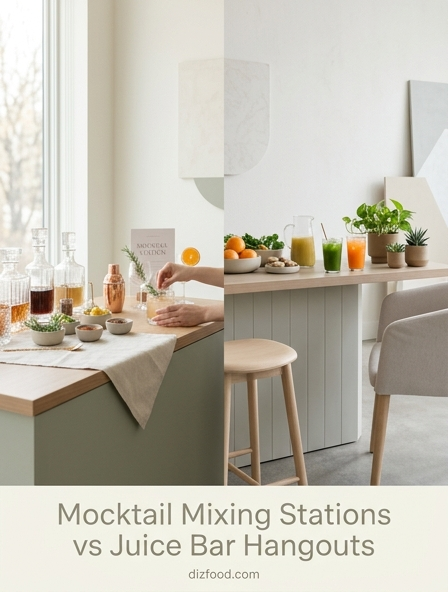
The modern social landscape is increasingly defined by inclusivity and the "sober curious" movement. As more individuals choose to reduce or eliminate their alcohol intake, the demand for sophisticated social rituals has grown. Mocktails, particularly those featuring complex artisanal shrubs, play a pivotal role in this shift. They provide a "social camouflage" that allows individuals to participate in the toast and the atmosphere of a party without the effects of ethanol. This fosters a more inclusive environment where the quality of the drink is the focus, rather than its alcohol content.
In contemporary socializing, the mocktail is no longer a "lesser" version of a cocktail; it is a standalone craft. Bars and restaurants are now dedicating significant sections of their menus to these non-alcoholic creations, treating them with the same level of respect as their wine lists. This cultural normalization of the mocktail reflects a broader health-conscious trend and a desire for high-quality experiences that prioritize flavor and wellness. The artisanal shrub, with its rich history and versatile application, sits at the heart of this new, sophisticated way of gathering.
Essential Tools for Crafting Non-Alcoholic Syrups
While the ingredients for a shrub are simple, the tools used in the kitchen can greatly influence the clarity and consistency of the final product. Precision is key when balancing the ratios of fruit to vinegar. A digital kitchen scale is perhaps the most important tool, allowing for repeatable results that volume measurements cannot guarantee. For the maceration process, non-reactive containers such as glass Mason jars or ceramic crocks are essential, as the acidity of the vinegar can leach metallic flavors from plastic or reactive metals.
- Fine-Mesh Strainers: Essential for removing large fruit solids after the infusion period.
- Cheesecloth or Nut Milk Bags: Used for a second pass to ensure the shrub is crystal clear and free of fine pulp.
- Glass Swing-Top Bottles: Ideal for carbonation-safe storage and aesthetic presentation in the refrigerator.
- Stainless Steel Funnels: Facilitates the mess-free transfer of syrups into narrow-necked bottles.
Having these tools on hand allows the home cook to move from amateur experimentation to professional-grade production, ensuring that every batch of shrub is shelf-stable, visually appealing, and perfectly balanced.
Pairing Sophisticated Mocktails with Kitchen Fare
The high acidity and complex sugar structures of artisanal shrubs make them exceptional companions for a wide variety of foods. Much like wine, shrubs can be used to cut through the richness of fats or to complement the brightness of a dish. A blackberry and peppercorn shrub, when topped with sparkling water, provides the tannic structure necessary to stand up to grilled meats or aged cheeses. Conversely, a cucumber and mint shrub offers a cooling, herbaceous note that pairs perfectly with spicy Southeast Asian cuisine or fresh seafood.
When pairing mocktails with kitchen fare, consider the "hook" of the dish. If a salad features a vinaigrette, a shrub with a similar vinegar base will create a harmonious bridge. For desserts, a shrub made with balsamic vinegar and strawberries can enhance the natural sweetness of a chocolate tart while providing a needed acidic lift. The versatility of shrubs allows them to function as an aperitif to stimulate the appetite, a palate cleanser between courses, or a digestive aid at the end of a meal, making them a vital tool for any modern culinary enthusiast.

Comments