
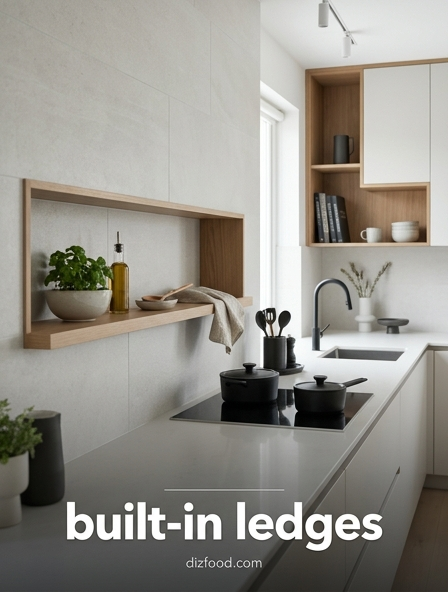
Maximizing Workflow with Integrated Ledge Systems
The modern kitchen demands more than just aesthetic appeal; it requires a high degree of functional intelligence. Integrated ledge systems, typically built into workstation sinks, redefine how a cook interacts with their environment. By providing tiered tracks within the sink basin, these systems allow for a modular approach to food preparation. Accessories such as cutting boards, colanders, and drying racks can slide across the surface, keeping essential tools within arm's reach while maintaining a clear countertop.
- Reduced repetitive movement between the sink and peripheral counters.
- Optimized vertical space within the sink basin for multi-level tasks.
- Containment of moisture and debris within the sink area for easier management.
- Seamless transitions between washing, chopping, and straining phases.
This ergonomic arrangement minimizes the physical strain of meal preparation. Instead of moving heavy ingredients across the kitchen, the chef can perform almost every preliminary task over the sink. This centralized workflow not only saves time but also ensures that the surrounding kitchen surfaces remain clean and ready for plating or guest interaction, making the ledge system an indispensable asset for high-efficiency environments.
The Social Kitchen Hosting and Prepping Simplified
The traditional kitchen layout often forces the host to turn their back on guests while handling prep work. Built-in ledges change this dynamic by turning the sink into a forward-facing workstation. When the sink is positioned on an island or peninsula, the host can chop vegetables, rinse fruit, and organize appetizers while maintaining eye contact and conversation with those seated nearby. This integration of tasks allows the "work" of the party to become part of the entertainment itself.
By utilizing sliding accessories, the sink basin remains hidden from view while serving as a functional platform. A large cutting board placed on the top ledge can double as a temporary serving station or a charcuterie assembly area. This flexibility ensures that the host is never isolated in a corner. Furthermore, because the mess is contained within the sink, the visual clutter that often accompanies hosting is significantly reduced. This spatial strategy fosters a more relaxed atmosphere, where the transition from food preparation to social engagement is fluid and effortless for everyone involved.
Transforming Your Sink into a Multi-Functional Hub
Gone are the days when a sink was merely a place to wash dishes. With the introduction of built-in ledges, the basin is transformed into a comprehensive multi-functional hub. This evolution allows for a variety of tasks to be performed simultaneously without overlapping into other kitchen zones. The following table illustrates the functional shift from a standard sink to a ledge-integrated system:
| Feature | Standard Sink | Ledge Workstation |
|---|---|---|
| Primary Use | Cleaning and Rinsing | Prep, Cook, and Clean |
| Surface Area | Limited to basin floor | Tiered sliding platforms |
| Accessory Support | External only | Integrated sliding tracks |
| Space Efficiency | Fixed footprint | Adjustable task zones |
By utilizing these tiers, homeowners can customize their sink daily. One day it might serve as a secondary prep station for a holiday meal, and the next, it might act as a dedicated drying station for delicate glassware. This versatility ensures the kitchen remains adaptable to the varying needs of the household.
Seamless Party Prep with Built-in Kitchen Accessories
Preparing for a large gathering often involves a chaotic scramble for counter space. Built-in kitchen ledges mitigate this stress by providing dedicated zones for specific party-prep tasks. Utilizing the unique geometry of the ledge, hosts can deploy a sequence of accessories that streamline the transition from raw ingredients to finished platters. The organization of these tools is key to a successful event.
- Deploy the integrated colander for high-volume produce rinsing.
- Slide the hardwood cutting board over the basin for immediate dicing.
- Use the stainless steel drying rack to hold prepared ingredients in bowls.
- Clear the top tier to place a serving tray for quick appetizer assembly.
This sequential approach prevents the "countertop creep" that often happens during festive occasions. By keeping the mess of peels, stems, and water inside the sink, the rest of the kitchen remains pristine for guests. The ability to quickly swap out a cutting board for a chilled ice bin accessory further enhances the sink's utility during the party itself, turning a utility fixture into a sophisticated beverage station or raw bar for entertaining.
Efficient Meal Service Using Integrated Sink Ledges
The final stage of any culinary endeavor is the transition to service. Integrated sink ledges facilitate an incredibly efficient plating process by providing a stable, level surface at an ergonomic height. Rather than clearing a large section of the counter, a chef can slide a large cutting board or a custom-fit platform across the sink to create an instant staging area. This is particularly useful for dishing out hot food, as spills are easily washed away into the drain below.
Furthermore, these ledges allow for "buffet-style" configurations in smaller homes. By placing warming trays or serving bowls on the accessories supported by the ledge, the sink area becomes a functional extension of the dining table. This setup keeps the food accessible while freeing up valuable table space for linens and decor. The integrated nature of the system means that even during the meal, the host can discreetly move items back and forth, ensuring that the service is as professional as it is convenient, all while keeping the heat and moisture of the food contained and away from delicate countertop materials.
Streamlining Cleanup for More Social Time
Post-dinner cleanup is often the most tedious part of hosting, but built-in ledges provide a structured environment to expedite the process. By utilizing tiered racks, users can sort dishes as they are rinsed, preventing the "pile-up" effect that leads to breakage and clutter. The ability to stack items vertically within the sink basin keeps the visual landscape of the kitchen tidy even before the dishwasher is loaded.
- Scrape food waste directly into the disposal from the sliding cutting board.
- Rinse plates and place them immediately into the integrated dish rack.
- Soak heavy pans on the bottom tier while using the top tier for glassware.
- Wipe down the ledges easily to remove any trapped residue or moisture.
This organized approach significantly reduces the time spent at the sink. Because the system encourages "cleaning as you go" through its modular design, there is less of a burden once the guests depart. The streamlined cleanup process allows the host to return to the social circle faster, turning a once-dreaded chore into a quick and manageable part of the evening's flow.
Small Space Solutions for Better Guest Interaction
In urban apartments or compact homes, every inch of countertop is a premium commodity. Built-in ledges solve the spatial dilemma by effectively doubling the usable work area over the sink. When the sink is not in use for washing, the addition of a custom-fit cutting board or drying rack turns a "dead" hole in the counter into a vibrant, functional surface. This expansion of space is crucial when guests are present and room for movement is limited.
By shifting the prep work to the sink's footprint, the main countertops are left entirely open for drinks, appetizers, or guest seating. This prevents the cramped feeling often associated with small-scale hosting. Guests can lean against the island without interfering with the cook's workflow. The clever use of the ledge system ensures that the kitchen remains an inviting social hub rather than a congested workspace. Ultimately, these integrated solutions prove that you do not need a massive kitchen to entertain effectively; you simply need a smarter, more adaptable one that maximizes its existing footprint through clever design and tiered functionality.
Smart Organization for the Modern Entertainer
Organization is the cornerstone of a stress-free kitchen, and built-in ledges offer a level of order that traditional sinks cannot match. For the modern entertainer, having a place for everything-and keeping everything in its place-is essential. The ledge system acts as a docking station for various tools, ensuring that the kitchen remains organized even during peak activity. This systematic approach allows for a choreographed culinary performance.
- Store custom accessories within the basin to save cabinet space.
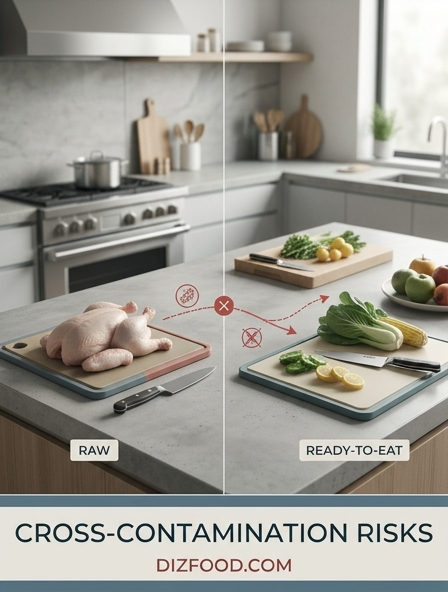
- Assign specific ledges for raw versus cooked food prep to prevent cross-contamination.
- Use the lower track for heavy-duty scrubbing and the upper track for delicate rinsing.
- Incorporate magnetic tool strips nearby for a complete workstation experience.
When everything is neatly aligned on the sink's interior tracks, the visual clutter of the kitchen is neutralized. This aesthetic cleanliness is just as important as functional order, as it creates a professional and sophisticated atmosphere. The entertainer can move with confidence, knowing that their tools are exactly where they need them to be, allowing the focus to remain on the guest experience rather than searching for misplaced utensils.
The Evolution of the Kitchen Workstation Sink
The kitchen sink has undergone a radical transformation from a simple porcelain basin to a high-tech workstation. Historically, the sink was a utilitarian fixture designed solely for water access and waste removal. However, as the kitchen evolved into the heart of the home, the need for more versatile fixtures became apparent. The introduction of the built-in ledge was the pivotal moment in this evolution, moving the sink from a "cleanup zone" to a "production zone."
This shift was driven by the trend toward open-concept living, where kitchens are fully visible to living and dining areas. Design engineers realized that by adding internal tracks, they could increase the sink's utility without increasing its size. Today's workstation sinks are crafted from advanced materials like fireclay, granite composites, and 16-gauge stainless steel, all designed to support heavy accessories. This evolution reflects a broader change in domestic life: the desire for efficiency, the rise of home gourmet cooking, and the necessity of multi-tasking in a fast-paced world. The ledge system is no longer a luxury feature but a standard for the modern, high-performance kitchen.
Enhancing Culinary Dynamics with Built-in Ledges
Culinary dynamics refer to the fluid motion and energy involved in cooking. Built-in ledges enhance these dynamics by removing the "stop-and-start" nature of traditional food prep. When a chef has to move between several different surfaces to complete a single dish, the momentum is lost. The ledge system keeps the momentum alive by allowing for a continuous, uninterrupted flow of action. This "all-in-one" approach is favored by professional chefs and home enthusiasts alike for its speed and precision.
The ability to instantly switch between a colander for washing and a board for dicing creates a rhythmic pace in the kitchen. This efficiency allows for more complex recipes to be tackled with less intimidation. Furthermore, the psychological benefit of a controlled environment cannot be overstated. When a cook feels in command of their space, the quality of the food and the joy of the process are both elevated. Built-in ledges provide the physical infrastructure for this mastery, turning every meal into a seamless performance that is as enjoyable to execute as it is to consume. This dynamic improvement is the ultimate goal of modern kitchen design.


Comments