
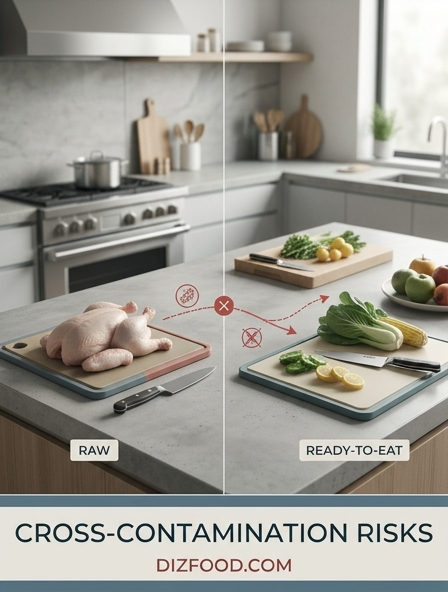
Eliminating Bacteria Through Controlled Airflow
In the modern kitchen, the method used to dry dishware is just as critical as the washing process itself. Controlled airflow systems significantly reduce the risk of cross-contamination by removing the need for manual intervention. When dishes are left to air-dry in a stagnant environment, moisture can linger in crevices, creating a localized high-humidity zone where aerobic bacteria thrive. By implementing directional, filtered airflow, the evaporation process is accelerated, ensuring that surfaces reach a state of biological inactivity quickly.
- Prevents the formation of water spots that harbor mineral deposits and microbial biofilms.
- Reduces the reliance on communal drying racks which often collect drainage water.
- Eliminates the atmospheric settling of dust and pathogens on wet surfaces.
- Maintains a consistent humidity level within the drying chamber to inhibit fungal spores.
Utilizing high-velocity air streams ensures that even complex geometries, such as the underside of handles or the rims of glassware, are stripped of residual moisture. This mechanical approach to drying serves as a final barrier against the migration of contaminants from the ambient kitchen environment back onto sanitized surfaces.
Why Manual Towel Drying Compromises Kitchen Hygiene
Despite being a traditional kitchen practice, manual towel drying is one of the primary vectors for cross-contamination. Textiles, particularly those that remain damp, serve as ideal reservoirs for pathogens such as E. coli, Salmonella, and Staphylococcus aureus. When a single towel is used to dry multiple dishes, it acts as a vehicle, transporting bacteria from one item to the next. The porous nature of the fabric traps organic matter and moisture, allowing microbial colonies to proliferate between uses.
- Cross-contamination from hands to the towel and then to "clean" dishes.
- The redistribution of lint and microscopic fibers onto food-contact surfaces.
- Absorption of grease and residues that sustain bacterial growth over time.
- Ineffective drying of hard-to-reach areas where the towel cannot reach.
Health safety guidelines frequently suggest that air drying is the only way to ensure a surface remains truly sanitized. Once a sterile dish is wiped with a used kitchen cloth, its sanitary status is effectively revoked, introducing a hidden layer of risk to the food preparation cycle.
Preventing Cross Contamination in Social Spaces
The kitchen often serves as the hub of social interaction, yet this increased foot traffic introduces various biological hazards. In a social setting, the distinction between "clean zones" and "dirty zones" often blurs as guests move between dining and preparation areas. Cross-contamination in these spaces frequently occurs through secondary contact points-surfaces that are touched often but rarely sanitized during the event itself. Managing the flow of people and objects is essential for maintaining a sterile environment.
- Establish designated areas for used glassware to prevent mixing with clean inventory.
- Use non-porous serving platters that can be easily sanitized between refills.
- Implement "no-touch" disposal systems for napkins and food waste.
- Encourage the use of specialized utensils for shared appetizers to avoid hand-to-food contact.
By compartmentalizing social activities away from primary food preparation surfaces, hosts can minimize the "aerosolization" of contaminants. Protecting the integrity of the kitchen during a gathering requires a combination of smart layout design and the use of automated cleaning technologies that work behind the scenes to keep pace with guest interactions.
The Science of High Temperature Sanitization
Sanitization differs from simple cleaning by focusing on the reduction of microbial populations to safe levels. The most effective method for achieving this in a kitchen environment is through the application of thermal energy. High temperatures denature the proteins in bacteria and viruses, effectively neutralizing them. For most residential and commercial applications, reaching a specific thermal threshold is necessary to ensure the destruction of resilient pathogens.
| Temperature | Impact on Pathogens | Required Exposure |
|---|---|---|
| 60°C (140°F) | Inhibits growth of most food-borne bacteria. | 10+ Minutes |
| 70°C (158°F) | Significant reduction in Salmonella and E. coli. | 2 Minutes |
| 82°C (180°F) | Full sanitization of food-contact surfaces. | 30 Seconds |
Using automated systems that maintain these temperatures ensures a level of consistency that manual washing cannot achieve. This "thermal rinse" acts as a definitive kill-step, ensuring that every plate, fork, and glass is biologically safe for the next user, regardless of what it previously held.
Eradicating Hidden Moisture and Mold Growth
Moisture management is the cornerstone of preventing mold and mildew in the kitchen. Dark, enclosed spaces such as cupboards and drawers are particularly susceptible to hidden moisture accumulation. When dishes are stored while even slightly damp, they create a microclimate that encourages the germination of fungal spores. These molds not only damage kitchen cabinetry but also produce mycotoxins that can lead to respiratory issues or food spoilage. Modern hygiene standards demand that dishware be bone-dry before being enclosed in storage.
- Check for condensation buildup behind stacked plates or bowls.
- Ensure dishwasher seals are intact to prevent steam leakage into cabinetry.
- Utilize desiccants or passive ventilation in deep storage drawers.
- Clean and dry the undersides of drying racks weekly to prevent biofilm.
By focusing on complete moisture eradication, homeowners can eliminate the "musty" odors associated with bacterial decay. Advanced drying technologies that utilize heat and targeted airflow are the most effective tools in ensuring that no residual water remains to fuel fungal growth in hidden corners of the kitchen.
Maximizing Hosting Time with Automated Cleanup
The burden of cleanup often detracts from the experience of hosting, leading many to take shortcuts that compromise hygiene. When hosts feel rushed, they are more likely to engage in "flash washing"-using lukewarm water and quick rinses that do not adequately remove pathogens. Automated cleanup solutions allow the host to focus on social engagement while ensuring that high-level sanitization occurs simultaneously. These systems are designed to handle the heavy lifting of scrubbing and sanitizing, which are the most time-consuming aspects of post-event management.
By delegating the sanitization process to a machine, the human error associated with fatigue and distraction is removed. This results in a more consistent hygienic outcome. Furthermore, automated systems can process large volumes of dishware in cycles that would take hours to perform manually, ensuring that the kitchen remains clear of cluttered, dirty dishes that attract pests and harbor bacteria. Modern entertaining is defined by the seamless transition from dining to a clean, safe environment without sacrificing the quality of the social interaction or the safety of the guests.
Maintaining a Clutter Free Social Kitchen
A cluttered kitchen is a difficult-to-clean kitchen. When surfaces are crowded with appliances, decorative items, and piles of dishes, the number of "nooks and crannies" for bacteria to hide increases exponentially. Maintaining a minimalist, clutter-free environment is a strategic move for hygiene. Clear countertops allow for rapid wipe-downs with disinfectants and reduce the surface area available for airborne contaminants to settle. In a social context, a clear kitchen also prevents the accidental tipping of drinks or food onto unwashed surfaces, which can trigger a chain reaction of cross-contamination.
- Store small appliances in designated "appliance garages" to keep counters clear.
- Use vertical storage solutions to keep utensils off the preparation surfaces.
- Limit the amount of decor on islands where guests are likely to congregate.
- Empty the sink and dishwasher prior to guests arriving to manage incoming mess.
Organization directly impacts the speed and efficiency of sanitization. When every item has a place and surfaces are kept bare, the visibility of potential contaminants is increased, allowing for immediate remediation and a lower overall risk profile during busy social events.
The Role of HEPA Filtration in Dishware Safety
While we often focus on surface cleanliness, the quality of the air in the kitchen plays a significant role in cross-contamination. During a dinner party, the air is filled with particulates, including skin cells, fabric fibers, and aerosolized grease. If a drying system draws in this ambient air to dry "clean" dishes, it may be depositing these particles back onto the surfaces. This is where HEPA (High-Efficiency Particulate Air) filtration becomes essential. These filters are capable of trapping 99.97% of particles as small as 0.3 microns, including many bacteria and viruses.
| Particle Type | Approximate Size | Filter Efficiency |
|---|---|---|
| Dust & Pollen | 10 - 100 Microns | 99.99% |
| Bacteria | 0.5 - 5.0 Microns | 99.97% |
| Viral Aerosols | 0.1 - 0.5 Microns | 95% - 99% |
By integrating HEPA filtration into kitchen appliances, particularly drying cabinets or dishwashers, the air used for drying is purified. This ensures that the final stage of the cleaning process does not inadvertently re-contaminate the items, providing a level of purity that meets medical-grade standards in a residential setting.
Streamlining Post Party Cleanup for Better Health
The hours immediately following a party are a critical window for kitchen hygiene. Leaving dirty dishes in the sink overnight allows bacteria to multiply at an exponential rate. Streamlining the cleanup process is not just about convenience; it is about preventing the kitchen from becoming a biohazard zone. A systematic approach to post-party cleanup ensures that every item is processed correctly and that no residual food waste is left to rot in pipes or trash bins. The goal is to return the kitchen to a "zero-state" of cleanliness as quickly as possible.
- Clear all organic waste into sealed compost or trash containers immediately.
- Pre-rinse items with high-protein residues (like eggs or dairy) to prevent hardening.
- Load the dishwasher according to manufacturer guidelines to ensure maximum water coverage.
- Sanitize high-traffic touchpoints like fridge handles, faucets, and light switches.
Efficiency in cleanup reduces the physical strain on the host and ensures that sanitization protocols are followed even when energy levels are low. Utilizing high-capacity, automated sanitization tools is the most effective way to manage the surge of dishware generated by large gatherings.
Elevating Kitchen Hygiene Standards for Modern Entertaining
Modern entertaining has evolved, and with it, our expectations for kitchen safety must also rise. The integration of professional-grade hygiene technology into the home kitchen is no longer a luxury but a necessity for those who frequently host. This elevation of standards involves a shift from "visible clean"-where things look tidy-to "microbiological clean"-where surfaces are free of invisible pathogens. As we become more aware of the pathways of viral and bacterial transmission, the tools we use must be capable of providing a verifiable level of protection.
Adopting technologies such as UV-C light sterilization, high-temperature thermal rinses, and HEPA-filtered drying systems reflects a commitment to guest wellness. These advancements allow the modern host to provide an environment that is not only aesthetically pleasing but fundamentally safe. In the current era, the definition of a "gracious host" includes the responsibility of ensuring that every plate and glass served is processed through a rigorous, scientifically-backed sanitization workflow. By prioritizing these standards, we create a kitchen culture that values health as much as hospitality, ensuring that the only things shared during a gathering are good food and conversation.





Comments