
The Art of Decanting for Intimate Gatherings
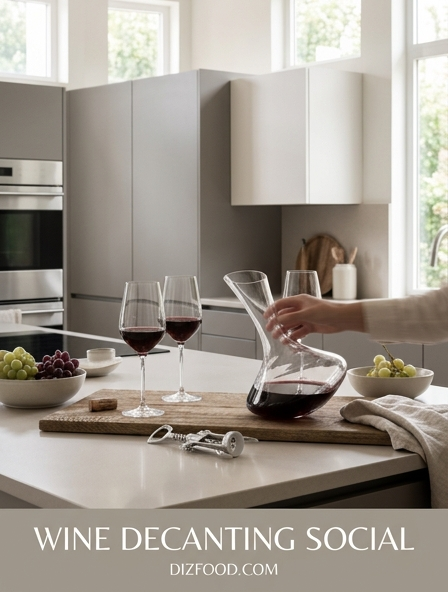
Decanting is more than a technical necessity; it is a centerpiece ritual that transforms a simple kitchen gathering into a sophisticated social event. When hosting an intimate circle of friends, the act of pouring wine from its original bottle into a glass vessel serves as a signal that the evening has truly begun. This process is particularly vital for older vintages that have developed sediment over time, but it also benefits younger, bolder reds by allowing them to "stretch" through oxygen exposure. In a kitchen setting, where the atmosphere is often casual and warm, the visual elegance of a decanter adds a touch of curated refinement.
The beauty of the art lies in the patience it demands. As the wine cascades down the inner walls of the decanter, it releases trapped aromas that would otherwise remain muted. This slow transition allows guests to observe the changing hues of the liquid, sparking conversations about the wine's origin and characteristics. By integrating decanting into your social flow, you offer your guests a sensory performance that elevates the overall tasting experience beyond mere consumption, making the kitchen the heart of a true oenological exploration.
Essential Glassware for a Sophisticated Wine Social
The choice of glassware in your kitchen determines how effectively a wine's bouquet is delivered to the senses. A sophisticated social requires more than just standard utility glasses; it demands specific shapes that complement the varietals being served. For a seamless experience, a host should provide a variety of stems that cater to the specific needs of the curated wine list. This not only shows attention to detail but also ensures that the decanted wine maintains its integrity throughout the evening.
| Glass Type | Best For | Key Feature |
|---|---|---|
| Bordeaux Grand Cru | Cabernet, Merlot | Tall bowl to direct wine to the back of the mouth. |
| Burgundy Balloon | Pinot Noir, Nebbiolo | Wide bowl to accumulate delicate aromas. |
| Standard Decanter | Full-bodied Reds | High surface area for maximum oxygen contact. |
| Zinfandel/Riesling | Medium-bodied wines | Narrower rim to balance fruit and acidity. |
When setting up your kitchen island, ensure the glassware is polished to a high shine. The clarity of the crystal allows guests to appreciate the color and viscosity of the wine, which is especially important after the decanting process has clarified the liquid.
Curating the Perfect Wine Selection for Guests
Selecting the right bottles for a kitchen-based social requires a balance between personal favorites and crowd-pleasing classics. The goal is to provide a narrative through the wine, perhaps starting with a crisp, high-acid white to cleanse the palate before moving into the heavier reds that require decanting. When curating your list, consider the preferences of your guests while also introducing one or two "conversation starters"-bottles from lesser-known regions or unique blends that invite curiosity and discussion.
- The Welcome Pour: A vibrant Sparkling Wine or a dry Rosé to set an upbeat tone.
- The Main Feature: An age-worthy Cabernet Sauvignon or Syrah that benefits from 60 minutes in the decanter.
- The Wildcard: A skin-contact orange wine or a chilled light red like Gamay.
- The Finale: A fortified wine or a late-harvest Riesling to pair with small bites.
Always ensure you have enough bottles to allow for generous refills without being excessive. A well-curated selection reflects the host's personality and ensures that every guest finds something that resonates with their palate, making the evening both inclusive and educational.
Setting a Relaxed Kitchen Atmosphere for Hosting
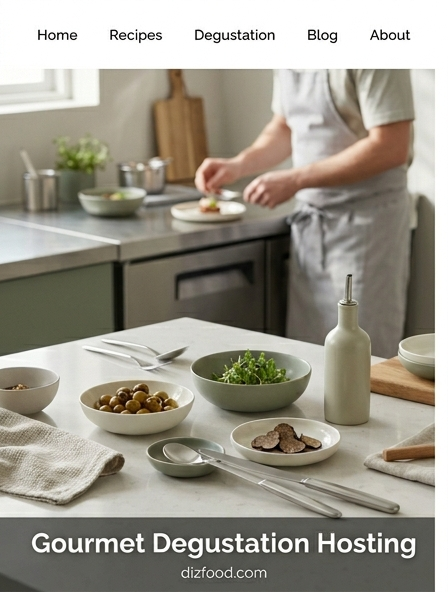
The kitchen is naturally the most communal room in the home, making it the ideal venue for a wine decanting social. To transition the space from a functional cooking area to an inviting hosting environment, start by clearing away clutter and unnecessary appliances. The kitchen island should serve as the "altar" for the wine, where decanters and bottles are prominently displayed. Softening the hard surfaces of the kitchen with linen runners or high-quality napkins can instantly add warmth to the aesthetic.
Comfort is key in a relaxed setting. If your kitchen features bar stools, ensure they are positioned to encourage face-to-face interaction. If the space allows, incorporate a small side table for used corks and tasting notes. The focus should be on creating a flow where guests feel comfortable moving around, glass in hand, while remaining close to the "action" of the decanting process. By balancing the professional look of high-end wine tools with the cozy familiarity of the kitchen, you create a space where guests feel both pampered and at home.
Gourmet Pairings to Elevate Your Wine Experience
Food and wine are inseparable, especially in a kitchen setting where the proximity to the pantry allows for effortless serving. For a wine-focused social, the food should play a supporting role, enhancing the flavors of the decanted bottles without overpowering them. Charcuterie and artisanal cheeses are the gold standard, providing fat and salt that soften the tannins in bold red wines. Focus on high-quality ingredients that require minimal preparation, allowing you to remain engaged with your guests.
- Hard Cheeses: Aged Cheddar or Manchego for tannins.
- Cured Meats: Prosciutto and Bresaola for savory balance.
- Earthy Elements: Truffle-infused honey or roasted walnuts.
- Dark Chocolate: A high-cacao bite to pair with oaky reds.
Consider setting up small "pairing stations" around the kitchen counter. This encourages guests to experiment with different combinations as they refill their glasses. The interplay between a salty olive and a decanted Syrah, for instance, can be a revelation for guests, turning a simple snack into a gourmet experience that highlights the nuances of the wine.
Mastering the Decanting Process for Maximum Flavor
Mastering the decanting process is a skill that combines precision with a bit of theatrical flair. To achieve the best results, one must understand that different wines require different levels of aeration. The process begins long before the first guest arrives, especially for bottles that need time to shed their "bottle shock" or sediment. Following a disciplined approach ensures that every drop poured is at its peak potential.
- Preparation: Stand the bottle upright for 24 hours prior to the event to let sediment settle at the bottom.
- Uncorking: Remove the foil and cork cleanly, ensuring no debris falls into the neck.
- The Slow Pour: Pour the wine into the decanter in one steady stream, stopping as soon as you see sediment reach the shoulder of the bottle.
- The Resting Phase: Let the wine breathe. Young reds may need two hours, while older, delicate wines may only need 30 minutes.
During the social, explain these steps to your guests. Many will appreciate learning why the wine tastes different after sitting in the glass for twenty minutes. This educational element adds value to the social and reinforces your role as a knowledgeable host.
Designing an Inviting and Sophisticated Social Space
A sophisticated social space in the kitchen is achieved through the careful curation of textures and visual layers. Since kitchens often feature cold materials like marble, stainless steel, and tile, it is important to introduce elements that provide visual softness. Consider using a wooden serving board as a base for your decanter to create a rustic contrast against a stone countertop. Small floral arrangements-preferably scentless so as not to interfere with the wine's aroma-can add a pop of organic color to the corners of the room.
Lighting also plays a crucial role in design. If your kitchen has under-cabinet lighting, use it to highlight the glassware and the rich colors of the wine. The goal is to create a "lounge" feel within a culinary space. By strategically placing coasters and small bowls for olive pits or discarded corks, you maintain an orderly environment that feels intentional. A well-designed space allows the wine to take center stage while providing a backdrop that feels curated and high-end, ensuring your guests feel they are part of a special, exclusive occasion.
Curating Background Music and Ambient Lighting
The sensory experience of a wine social extends beyond taste and smell; sound and sight are equally vital. To create a cohesive atmosphere, ambient lighting should be dimmed to a level that feels intimate but still allows guests to see the clarity of the wine. Avoid harsh overhead fluorescent lights, which can feel clinical. Instead, utilize dimmers, warm-toned LED strips, or even a few safely placed candles to create a golden, inviting glow throughout the kitchen.
Music should be treated as a background texture rather than a focal point. A playlist of upbeat jazz, lo-fi beats, or acoustic instrumentals works best, providing a rhythmic pulse to the room without forcing guests to raise their voices. The volume should be high enough to fill the gaps in conversation but low enough that the subtle "glug" of the decanter and the clinking of glasses remain the primary sounds. By synchronizing the auditory and visual environment, you create an immersive experience that keeps guests relaxed and engaged for hours.
The Role of Aeration in Enhancing Vintage Bottles
Aeration is the chemical process that occurs when wine is exposed to oxygen, and it is the primary reason for using a decanter. For vintage bottles, this process is transformative. Over years of confinement in a bottle, wine can develop "reductive" notes-aromas that might smell like struck matches or damp earth. Decanting allows these volatile compounds to dissipate, revealing the fruit, spice, and floral notes hidden beneath. It also helps to soften the tannic structure, making the wine feel smoother and more velvety on the palate.
However, aeration is a double-edged sword for very old vintages. A wine from the 1970s or 80s may be quite fragile; too much oxygen can cause its delicate flavors to fade rapidly. In these cases, the decanter is used primarily to remove sediment, and the wine should be served shortly after. Understanding this balance allows a host to serve vintage bottles at their absolute zenith. Sharing this knowledge with guests-perhaps by letting them taste a small sip immediately after opening and another thirty minutes later-demonstrates the profound impact that a little air can have on a masterpiece.
Hosting Etiquette for a Memorable Intimate Evening
Exceptional hosting etiquette is the final ingredient in a successful wine social. As the host, your primary role is to manage the flow of the evening while ensuring every guest feels included. This starts with the first pour: always offer a small taste to the guest of honor or the person most interested in the vintage before filling other glasses. Monitor the decanter throughout the night; as it nears the halfway mark, consider if another bottle needs to be opened and prepared to ensure the "breathing" process remains ahead of the drinking pace.
- Refill Awareness: Never let a guest's glass sit empty, but always ask before pouring more.
- Water Access: Provide a carafe of room-temperature water and clean glasses to prevent dehydration.
- Glass Tracking: Use subtle charms or distinct glassware styles if the group is larger than four.
- Engagement: Guide the conversation toward the wine's notes, but let the social energy evolve naturally.
By staying attentive to these small details, you create an environment where the logistics feel invisible. Your guests will remember not just the quality of the wine, but the effortless grace with which it was served, making the evening truly memorable.

Comments