
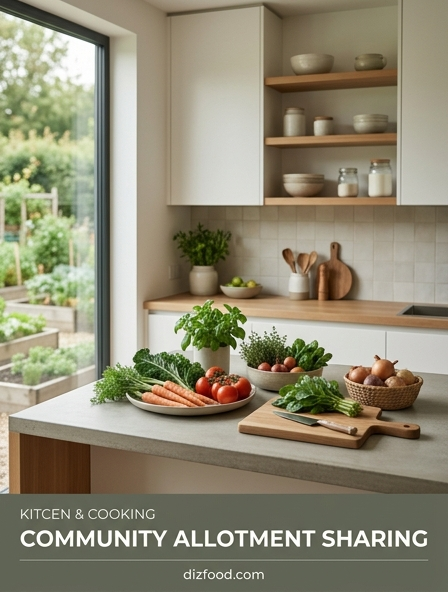
Urban Allotment Sharing for Community Kitchens
Urban allotment sharing represents a transformative approach to city living, bridging the gap between green spaces and collective dining. By dedicating plots of land to community kitchens, residents can transform underutilized urban corners into productive hubs of nutrition. This model allows individuals who lack personal gardening space to participate in the cultivation of fresh vegetables, herbs, and fruits, which are then channeled directly into shared kitchen facilities. The integration of these two entities ensures that the "field to fork" journey is measured in meters rather than miles.
- Direct access to organic produce for low-income residents.
- Educational opportunities for children to learn about food origins.
- Reduction in urban heat islands through increased vegetation.
- Efficient use of communal tools and resources.
The success of these programs relies on clear communication between the growers and the cooks. When a community kitchen knows exactly what is being planted, they can plan their menus around the upcoming bounty, ensuring that nothing goes to waste. This symbiotic relationship turns a simple garden into a vital lifeline for the neighborhood, fostering a sense of ownership and pride among all participants who contribute to the local food cycle.
Seasonal Harvests and Social Cooking Spaces
Aligning community kitchen menus with seasonal harvests from local allotments encourages a deeper connection with the natural rhythm of the year. This practice teaches participants the value of eating produce at its nutritional peak while reducing the reliance on preserved or imported goods. Social cooking spaces provide the infrastructure where these seasonal ingredients are transformed into nourishing meals through collaborative effort. Whether it is a spring bounty of peas and radishes or a winter harvest of hardy kale and root vegetables, the kitchen adapts to what the earth provides.
| Season | Primary Harvest | Kitchen Application |
|---|---|---|
| Spring | Spinach, Asparagus | Fresh salads and quiches |
| Summer | Tomatoes, Zucchini | Ratatouille and gazpacho |
| Autumn | Pumpkins, Apples | Soups and preserves |
| Winter | Leeks, Potatoes | Hearty stews and roasts |
By focusing on seasonality, these spaces also become educational platforms. Cooks share traditional techniques for preserving surplus, such as pickling or fermenting, which extends the life of the harvest into leaner months. This shared knowledge strengthens the community's resilience and culinary diversity.
Collective Gardening for Urban Impact
Collective gardening goes beyond individual hobbyism; it is a strategic movement to improve urban food security and environmental health. When multiple households manage an allotment together for a community kitchen, the labor is divided, making the task more manageable for busy city dwellers. This collective effort allows for larger-scale production that can support communal feeding programs, homeless shelters, or neighborhood potlucks. The impact is visible not just in the harvest totals, but in the greening of the cityscape and the revitalization of public spirit.
Furthermore, these gardens serve as essential drainage points for rainwater, reducing the strain on urban sewer systems during heavy storms. The biodiversity introduced through varied planting attracts pollinators like bees and butterflies, which are often scarce in concrete-heavy environments. By prioritizing collective impact over individual gain, participants contribute to a circular economy where organic waste from the kitchen is composted and returned to the allotment soil. This creates a sustainable loop that enriches the land and the community simultaneously, proving that small urban plots can yield significant ecological and social returns when managed with a shared vision.
Building Neighborhood Bonds Through Shared Plots
Shared allotment plots act as the "third place" in urban environments-somewhere outside of home and work where people can connect on equal footing. The physical act of tilling soil and planting seeds side-by-side breaks down social barriers, allowing neighbors from diverse backgrounds to interact. These interactions often lead to long-lasting friendships and a stronger sense of neighborhood safety and belonging. When the harvest is brought into the community kitchen, the bond is further solidified through the shared experience of preparing and eating a meal.
- Initiate weekly "work parties" to maintain the shared plots.
- Organize seed swapping events to diversify crop varieties.
- Host monthly kitchen workshops using specific allotment ingredients.
- Create a digital forum for members to coordinate planting schedules.
The shared responsibility of maintaining a plot requires negotiation and cooperation, skills that translate into broader civic engagement. As participants navigate decisions about which crops to grow or how to manage pests organically, they build a micro-democracy. This collaborative spirit ensures that the kitchen remains well-stocked and the community remains tight-knit, proving that gardening is as much about cultivating people as it is about cultivating plants.
The Kitchen as a Community Hub
The community kitchen serves as the vibrant heart of the allotment network, functioning as much more than just a place to prepare food. It is a multipurpose hub where the raw potential of the garden is realized and celebrated. Here, the barriers between "producer" and "consumer" vanish, as those who spent the morning weeding the garden might spend the afternoon dicing carrots for a communal stew. This fluidity creates a deep appreciation for the effort required to produce food, fostering a culture of gratitude and mindfulness around consumption.
Beyond cooking, the kitchen hub hosts nutritional seminars, food safety training, and social gatherings. It provides a warm, inviting space for those who might otherwise eat alone, offering companionship alongside a hot meal. The walls are often decorated with planting calendars and recipe cards, serving as a living archive of the community's collective knowledge. By centralizing these activities, the kitchen reinforces the idea that food is a shared human right and a powerful tool for social cohesion. It is the place where the neighborhood's diverse threads are woven together into a single, supportive fabric, fueled by the very ground they stand upon.
Maximizing Yield with Collaborative Harvesting
Collaborative harvesting is a strategic approach to ensure that nothing grown in a community allotment is ever wasted. In individual gardening, a surplus of a single crop-like a sudden explosion of zucchini-can become a burden. However, within a community kitchen framework, such gluts are welcomed. Participants coordinate their picking schedules to ensure produce is harvested at its peak and immediately processed or distributed. This teamwork allows the community to handle larger volumes of food that would overwhelm a single household.
- Implementation of "harvest alerts" via mobile apps for volunteers.
- Staggered planting techniques to ensure a continuous supply.
- Designated "sharing shelves" for immediate surplus distribution.
- Collective processing sessions for freezing or canning excess.
This method also allows for the cultivation of labor-intensive crops that might be too difficult for an individual to manage alone. By pooling labor during the intense harvest periods, the community can maximize the caloric and nutritional output of their small urban plots. The efficiency gained through this collaboration directly benefits the kitchen's ability to provide high-quality, fresh meals to a larger number of people throughout the growing season.
Sustainable Urban Living Through Allotment Networks
Allotment networks connected to community kitchens are pillars of sustainable urban living. They significantly reduce the carbon footprint associated with industrial agriculture by eliminating long-distance transportation and excessive plastic packaging. Instead of vegetables traveling hundreds of miles in refrigerated trucks, they are carried in baskets across the street. This localized system promotes a deeper understanding of ecological limits and encourages residents to live more harmoniously within their environment. Sustainability here is not just an abstract concept but a daily practice of soil health and resource conservation.
The network also plays a crucial role in waste management. Kitchen scraps, which would otherwise end up in landfills producing methane, are carefully collected and added to allotment compost bins. This nutrient-rich compost then regenerates the soil for the next planting cycle. Additionally, these networks often employ rainwater harvesting systems to irrigate the crops, further reducing the environmental impact. By integrating food production, consumption, and waste recovery into a local loop, community members demonstrate a viable model for resilient city life. This holistic approach empowers individuals to take direct action against climate change while improving their own quality of life through better nutrition.
Cooking Together with Seasonal Garden Produce
Cooking together using produce harvested from a shared allotment turns a chore into a celebration of local bounty. When a group gathers in a community kitchen to process the day's haul, it becomes an informal classroom where culinary skills are passed down through generations. A grandmother might show a teenager how to properly zest a garden lemon, or a newcomer might introduce a traditional spice blend that perfectly complements the local kale. This cultural exchange enriches the community's palate and preserves diverse food heritages that might otherwise be lost in a fast-food culture.
- Wash and sort the produce based on ripeness and variety.
- Assign tasks based on skill level to involve everyone in the process.
- Experiment with "zero-waste" recipes, such as making pesto from carrot tops.
- Share the final meal in a communal setting to celebrate the hard work.
The joy of eating something that was in the ground only hours prior is unparalleled. This freshness translates to better flavor and higher vitamin content, making the communal meals both delicious and healthful. By focusing on seasonal ingredients, the community learns to appreciate the unique flavors of each month, turning the kitchen into a place of constant discovery and shared delight.
Reducing Food Miles in Local Communities
The concept of "food miles" refers to the distance food travels from the farm to the consumer's plate. In typical urban settings, this distance is thousands of miles, contributing to significant greenhouse gas emissions. Community allotment sharing drastically reduces this figure, often bringing food miles down to near zero. When the kitchen is located within or adjacent to the allotment, the environmental cost of transportation is virtually eliminated. This shift not only helps the planet but also ensures that the produce retains its peak freshness and nutritional integrity, which begins to degrade the moment a vegetable is harvested.
| Factor | Commercial Supply Chain | Community Allotment Model |
|---|---|---|
| Transport Distance | 1,500+ miles (average) | Less than 1 mile |
| Packaging | High (Plastic/Cardboard) | Minimal to Zero |
| Storage Time | Days or Weeks | Minutes or Hours |
| Carbon Footprint | Significant | Negligible |
By bypassing the complex logistics of global food systems, local communities gain greater control over their food supply. They become less vulnerable to price spikes or supply chain disruptions. This localized resilience is a cornerstone of modern urban planning, proving that feeding a city can be done sustainably, one neighborhood at a time.
Fostering Social Connections Over Fresh Harvests
At its core, the intersection of allotment sharing and community kitchens is about people. The fresh harvest serves as the catalyst for social interactions that might never happen in the anonymous bustle of city life. When people work together to grow food and then sit down to eat it, they develop a profound sense of mutual reliance and empathy. This social fabric is essential for mental health, as it combats the isolation often felt in densely populated urban areas. The garden and kitchen provide a safe space for people to share their stories, challenges, and successes.
Events such as harvest festivals or "open kitchen" days invite the wider public to witness the benefits of the project, further expanding the social network. These gatherings celebrate the diversity of the neighborhood, as different cultures bring their unique perspectives to the communal table. The pride of showing off a particularly large pumpkin or a perfectly baked loaf of herb bread fosters self-esteem and a sense of achievement. Ultimately, these connections create a more compassionate and resilient community, where everyone is looked after and everyone has a place at the table, fueled by the very earth they tend together.






Comments