
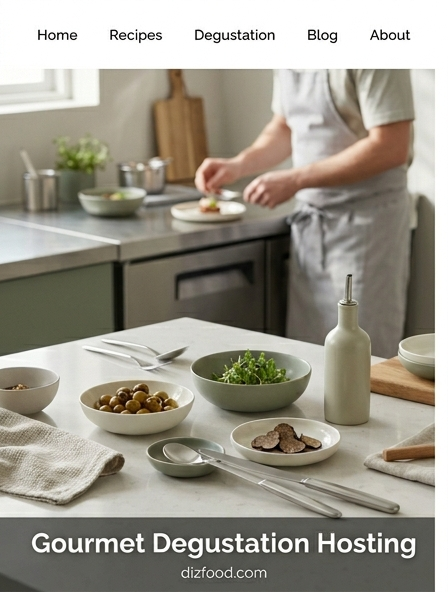
Mastering the Visual Art of Plating
The visual arrangement of a degustation course serves as the guest's first sensory encounter with the meal. To master this art, one must view the plate as a canvas where balance, scale, and movement dictate the aesthetic outcome. Utilizing negative space is essential; a cluttered plate can overwhelm the eye, whereas strategic emptiness draws focus to the intricate details of the food. Chefs often employ the "rule of thirds" to position the main element slightly off-center, creating a more dynamic and sophisticated composition.
- Verticality: Building height using garnishes or stacked components adds architectural interest.
- Focal Points: Direct the guest's gaze toward the primary protein or central vegetable.
- Flow: Use sauces or purées to create curved lines that lead the eye across the plate.
Consistency is key when hosting a multi-course event. Each dish should maintain a cohesive style while offering enough variation to keep the guest intrigued. Precision is non-negotiable; every micro-green and drop of oil must be placed with intentionality to achieve a professional, gourmet finish that honors the ingredients.
Creating a Social Kitchen Atmosphere
In a gourmet degustation setting, the kitchen is no longer a hidden workstation but the heart of the social experience. Creating an inviting atmosphere requires a delicate balance between high-end culinary production and warm hospitality. Lighting plays a pivotal role; dimming the peripheral lights while spotlighting the prep island creates a theatrical focus on the cooking process. Curating a playlist of understated jazz or ambient lounge music provides a sophisticated acoustic backdrop that encourages conversation without competing with it.
The host should design the space to facilitate movement, allowing guests to lean against counters or gather near the wine station. Keeping the environment uncluttered is vital for maintaining a professional aura. By integrating guests into the kitchen's energy, the host breaks down the barrier between the creator and the consumer. This transparency fosters a sense of intimacy and exclusivity, making the meal feel like a collaborative event rather than a static service. A well-scented kitchen, filled with the aromas of roasting herbs and reducing wines, further enhances this immersive sensory environment.
Essential Tools for Professional Food Presentation
To achieve the precision required for a high-level degustation, specialized tools are as important as the ingredients themselves. These instruments allow for the meticulous placement of delicate garnishes and the creation of clean, geometric shapes that define modern gourmet aesthetics. High-quality plating tools transform the act of serving into an exercise in fine craftsmanship.
| Tool | Primary Function |
|---|---|
| Offset Spatula | Lifting delicate fillets and spreading purées with smooth precision. |
| Precision Tweezers | Accurate placement of micro-greens, edible flowers, and small garnishes. |
| Squeeze Bottles | Executing consistent dots, teardrops, and controlled sauce drizzles. |
| Silicone Plating Brushes | Creating artistic "swipes" and textured patterns with thick sauces. |
Beyond these, a sharp mandoline is indispensable for achieving paper-thin vegetable ribbons, while ring molds ensure uniform sizing for tartares or grains. Investing in these professional-grade implements empowers the home chef to replicate the exacting standards found in Michelin-starred establishments, ensuring every course is a visual masterpiece.
The Impact of Color and Texture on Taste
The psychological relationship between visual cues and flavor perception is a fundamental principle of gourmet hosting. Color serves as a biological signal; vibrant greens suggest freshness, while deep reds and browns evoke richness and warmth. By varying the color palette across different courses, a host can manipulate the diner's appetite and expectations. For instance, a monochromatic white dish featuring scallops and cauliflower can convey elegance and purity, providing a visual palate cleanser between more vibrant courses.
- Contrasting Textures: Pairing a crunchy tuile with a smooth mousse prevents sensory fatigue.
- Color Satiety: Rotating through the color spectrum keeps the guest mentally engaged throughout the meal.
- Mouthfeel: The physical sensation of temperature and grain affects how flavor molecules are released.
Texture is the silent partner of flavor. A dish that is entirely soft can feel one-dimensional, regardless of its seasoning. Introducing elements like toasted nuts, dehydrated fruit crumbles, or crisp pancetta provides a structural counterpoint to tender proteins or velvety sauces. This interplay ensures that every bite is a complex exploration of both physical sensation and taste.
Balancing Flavors for a Gourmet Experience
A successful degustation menu is a narrative told through the progression of flavors. Achieving balance requires a deep understanding of the five basic tastes and how they interact to create harmony or exciting tension. The goal is to move the guest through a sequence that builds in intensity without overwhelming the palate. Each course should address a specific flavor profile while leaving the guest eager for the next transition.
- Acidity: Use citrus or vinegar to cut through fat and brighten heavy dishes.
- Salt: Enhance natural flavors and provide a sharp finish to savory components.
- Umami: Incorporate fermented or aged ingredients to add depth and "meatiness."
- Bitterness: Utilize charred vegetables or dark greens to balance excessive sweetness.
The transition between courses is just as important as the dishes themselves. Palate cleansers, such as a sharp sorbet or a light herbal infusion, reset the taste buds. By carefully managing the levels of sugar, salt, and acid, the host ensures that the final course is enjoyed with the same enthusiasm as the first. This technical approach to seasoning differentiates a standard dinner from a curated gourmet journey.
Transforming Your Home into a Private Bistro
Converting a domestic kitchen and dining area into a private bistro requires meticulous attention to the "front of house" experience. The transition begins with removing the visual markers of daily life-mail, chargers, and excess appliances-to create a clean, intentional stage. The table should be set with high-quality linens, polished stemware, and personalized menu cards that outline the evening's degustation. These physical touchpoints signal to the guests that they are entering a curated space designed for indulgence and discovery.
Lighting and temperature are critical variables in this transformation. Warm, low-level lighting creates an intimate perimeter, while a slightly cooler room temperature accounts for the heat generated by multiple guests and active cooking. The use of scent should be restricted to the food itself; avoid scented candles that might clash with the aroma of the wine or the cuisine. By controlling these environmental factors, the host provides a professional backdrop that elevates the homemade meal into an authentic bistro experience, allowing guests to fully immerse themselves in the culinary narrative being presented.
Interactive Cooking as Social Entertainment
Modern degustation hosting often incorporates "show cooking" elements, where the preparation of the dish becomes part of the evening's entertainment. This interactive approach demystifies complex culinary techniques and fosters a deeper connection between the guest and the meal. Inviting guests to witness the final "assembly" of a dish-such as the torching of a meringue or the pouring of a hot consommé over raw aromatics-creates a shared moment of spectacle.
- Live Finishing: Grating fresh truffle or zest directly onto the plate at the table.
- Educational Insights: Briefly explaining the origin of a specific ingredient or a unique cooking method.
- DIY Elements: Allowing guests to customize their own seasoning with artisanal salts or infused oils.
This style of hosting transforms the kitchen into a stage. It encourages questions and dialogue, turning a passive dining experience into an active culinary workshop. However, the host must remain organized; interactive elements should be well-practiced to ensure they add to the flow of the evening rather than causing delays. When executed with confidence, interactive cooking leaves a lasting impression that extends far beyond the taste of the food.
Modern Techniques for Precise Culinary Styling
Advanced culinary styling relies on modern techniques that manipulate the physical properties of ingredients to create stunning visual effects. Mastery of hydrocolloids, such as agar-agar and xanthan gum, allows for the creation of stable gels and fluid purées that maintain their shape on the plate. Spherification, a hallmark of molecular gastronomy, can be used to create "caviar" from fruit juices or balsamic vinegar, providing a burst of flavor and a sophisticated visual accent. These methods are not merely for show; they allow for a concentration of flavor in a highly controlled format.
Foams and "airs" are another essential technique, used to add a delicate aroma and ethereal texture to a dish without adding bulk. Using a handheld milk frother or an immersion blender, a host can turn a flavorful liquid into a light froth that sits atop a protein or vegetable. Furthermore, the use of dehydrated powders made from beets, leeks, or even fats provides a way to introduce intense color and flavor in a clean, dust-like application. These modern touches signal a high level of technical proficiency and elevate the home kitchen to a laboratory of gourmet innovation.
Elevating the Guest Experience Through Detail
The hallmark of a professional-grade degustation is the attention paid to details that often go unnoticed but collectively define the experience. This level of hospitality begins before the first course is even served and continues until the final guest departs. It is the subtle nuances-the temperature of the plates, the choice of bread service, and the timing of the water refills-that distinguish an amateur host from a master of the craft.
- Temperature Control: Warm the plates for hot courses and chill them for cold appetizers to preserve the dish's integrity.
- Bespoke Pairings: Offer a specific wine or non-alcoholic infusion for every course to complement the flavor profile.
- Personalized Touches: Address dietary restrictions with creative alternatives that mirror the original dish's aesthetic.
Small "surprise and delight" moments, such as a mid-meal amuse-bouche or a take-home mignardise, leave a lasting impact. Providing a physical copy of the menu as a keepsake allows guests to revisit the experience later. By focusing on these micro-details, the host demonstrates a profound respect for their guests and the culinary art, ensuring the evening is remembered as a seamless, world-class event.
The Connection Between Presentation and Conversation
Exceptional food presentation serves as a catalyst for meaningful conversation among guests. When a dish arrives looking like a work of art, it naturally becomes a topic of discussion, breaking the ice and focusing the table's energy on the shared sensory experience. The "story" of the plate-why a certain garnish was chosen or how a local ingredient was sourced-provides a narrative thread that the host can weave throughout the evening. This storytelling element adds a layer of intellectual engagement to the physical act of eating.
Moreover, the pace of a degustation, with its multiple small courses, is specifically designed to facilitate prolonged dialogue. The gaps between courses are not silences to be filled, but opportunities for guests to reflect on the flavors and engage with one another. A visually stunning dish can trigger memories or comparisons to previous travels, expanding the conversation beyond the kitchen walls. Ultimately, the meticulous presentation is a tool for connection, using the beauty of the meal to create an atmosphere of wonder and community that defines the essence of gourmet hosting.

Comments