
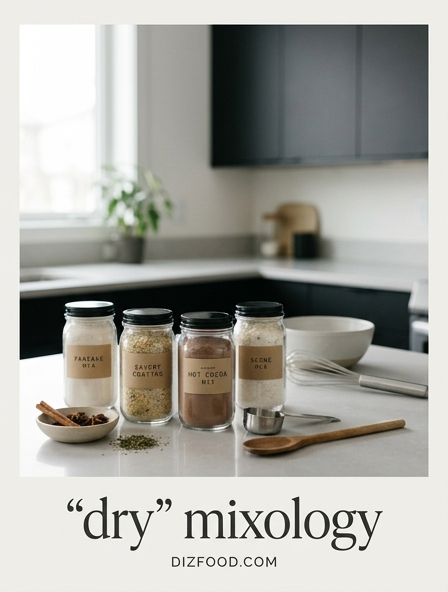
The Rise of Sophisticated Non-Alcoholic Spirits
The landscape of the modern kitchen has undergone a dramatic transformation with the emergence of sophisticated non-alcoholic spirits. Gone are the days when abstaining from alcohol meant settling for overly sweet sodas or bland fruit juices. Today, the "dry" mixology movement leverages advanced distillation and maceration techniques to capture the essence of traditional spirits without the ethanol content. These contemporary offerings utilize complex botanicals, such as juniper berries, cardamom, and citrus peels, to provide a foundational "bite" and aromatic depth that mimics the sensory experience of gin, tequila, or whiskey.
This evolution is driven by a global shift toward health-conscious living and inclusive social habits. Home bartenders now have access to premium brands that prioritize quality over sugar, allowing for the creation of adult-oriented beverages that command respect. The focus has shifted from what is missing to what is present: a meticulously crafted liquid that serves as a versatile canvas for culinary creativity. As these spirits become kitchen staples, they redefine the standard for hospitality, ensuring that every guest enjoys a thoughtfully prepared drink that aligns with their lifestyle choices.
Crafting Complex Flavor Profiles with Botanical Bases
Achieving a sophisticated flavor profile in dry mixology requires a deep understanding of botanical synergy. Without alcohol to carry flavors, the mixologist must rely on highly concentrated infusions and decoctions to build layers of taste. This process often begins with a botanical base, where woody elements like cinchona bark or sandalwood provide structure, while lighter floral notes like lavender or hibiscus offer aromatic high points. The goal is to stimulate different areas of the palate simultaneously, creating a lingering finish that is often absent in simpler beverages.
To master these profiles, one must experiment with the following elements:
- Bittering Agents: Gentian root and wormwood to provide the necessary backbone and digestive properties.
- Spices: Black peppercorns, ginger, and grains of paradise to simulate the "burn" or heat typically associated with alcohol.
- Earthiness: Beetroot or smoked tea to ground the drink and add savory dimensions.
- Aromatics: Essential oils from citrus zests and fresh herbs to provide an immediate olfactory impact upon serving.
By balancing these components, the dry cocktail achieves a maturity that rivals its alcoholic counterparts, offering a multi-sensory journey through every sip.
The Essential Toolkit for Professional Dry Mixology
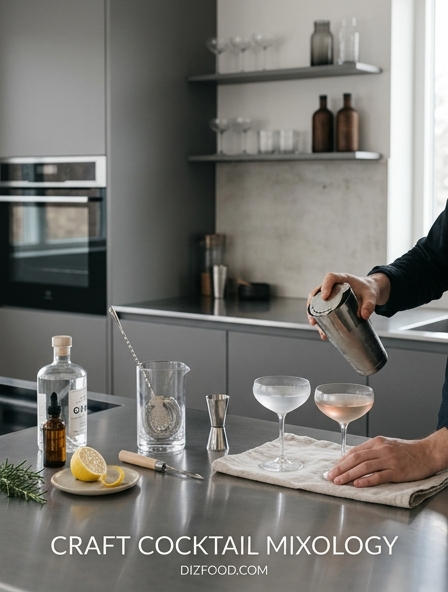
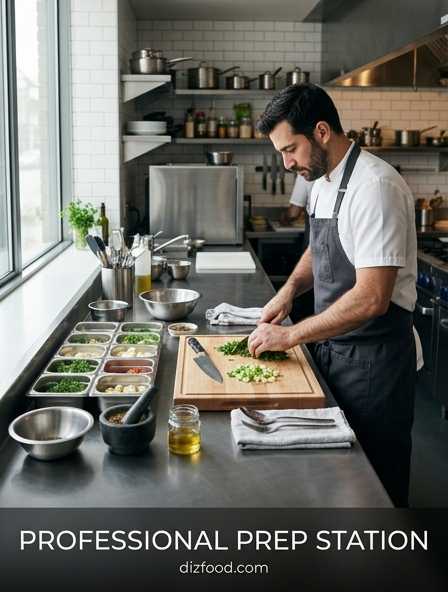
Equipping a kitchen for professional-grade dry mixology involves more than just a standard shaker. Because non-alcoholic ingredients often vary in viscosity and density, precision tools are vital for maintaining consistency and achieving the desired texture. A high-quality weighted shaker ensures proper aeration, while a collection of fine-mesh strainers is necessary to remove small botanical particles from house-made infusions. Furthermore, digital scales and graduated cylinders allow for the precise measurement of potent concentrates and syrups, where even a single milliliter can alter the balance of the drink.
Every serious dry mixologist should curate a toolkit that includes:
- Boston Shaker: For vigorous chilling and dilution control.
- Precision Jigger: To ensure the exact ratio of acids to sugars.
- Bar Spoon with Long Handle: For gentle stirring of spirit-forward, non-carbonated drinks.
- Muddler: For extracting oils from fresh herbs and citrus peels without bruising them.
- Lewis Bag and Mallet: For creating crushed ice to manage dilution in tropical-style dry drinks.
Having these tools at hand allows the home practitioner to execute complex recipes with the finesse of a professional bartender.
Elevating Glassware and Aesthetic Presentation
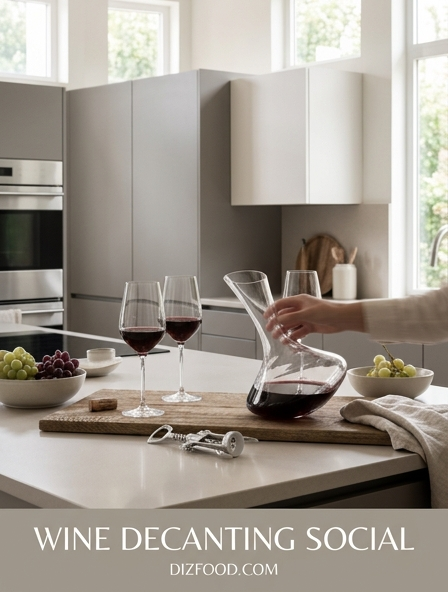
In the realm of dry mixology, visual appeal is a crucial component of the overall experience. Presentation signals to the guest that their drink has been prepared with the same level of care and intent as any traditional cocktail. The choice of glassware can influence the perception of flavor; for instance, a narrow flute concentrates aromatics, while a wide coupe encourages the appreciation of a drink's color and clarity. Proper glassware also manages the temperature of the beverage, with stemmed glasses preventing the hand from warming the liquid prematurely.
Aesthetic presentation extends to the garnish, which should never be an afterthought. A well-placed sprig of toasted rosemary, a dehydrated citrus wheel, or a single clear ice sphere can transform a simple mixture into a work of art. These elements provide functional benefits as well, contributing to the drink's scent and mouthfeel. By treating the non-alcoholic cocktail as a visual centerpiece, the mixologist reinforces the idea that the "dry" choice is a premium, celebratory option rather than a compromise.
Infusing House-Made Syrups and Artisanal Shrubs
The secret to high-end dry mixology often lies in the quality of the sweeteners and modifiers used. House-made syrups and artisanal shrubs-vinegar-based fruit preserves-offer a depth of flavor that commercial products cannot match. Shrubs, in particular, are indispensable in alcohol-free drinks because the acetic acid provides a sharp, fermented "bite" that mimics the complexity of wine or spirits. They bridge the gap between sweetness and acidity, providing a refreshing brightness that lingers on the tongue.
| Ingredient Type | Purpose | Common Flavor Pairings |
|---|---|---|
| Simple Syrup | Base Sweetness | Vanilla, Cardamom, Mint |
| Fruit Shrub | Acid & Depth | Blackberry & Thyme, Peach & Ginger |
| Oleosaccharum | Citrus Oil Extraction | Lemon, Grapefruit, Orange |
Creating these components at home allows for total control over the sugar content and flavor intensity. By simmering fresh botanicals or cold-pressing fruits with sugar and vinegar, the kitchen becomes a laboratory for unique flavor combinations that define a signature mixology style.
Mastering the Balance of Acid and Sweetness
The "Golden Ratio" in mixology-balancing sweetness, acidity, and strength-is even more critical when alcohol is removed from the equation. In dry drinks, acidity acts as the primary structure, providing the necessary sharpness to cut through sugar and prevent the beverage from feeling heavy or cloying. While lemon and lime are the standard sources of acid, professional dry mixology explores broader horizons, incorporating ingredients like verjuice (the juice of unripened grapes), apple cider vinegar, and citric or malic acid powders to fine-tune the pH level of a concoction.
Mastery of this balance requires constant tasting and adjustment. A drink that is too acidic will feel thin and abrasive, while one that is too sweet will lose its refreshing quality and nuances. Mixologists often use a "brix" scale or simple taste tests to ensure that the sugar from syrups or fruit purees is perfectly countered by the brightness of the acid. This delicate equilibrium ensures that each sip is crisp, clean, and satisfying, mimicking the structural integrity found in the world's most famous classic cocktails.
Social Dynamics of the Inclusive Home Bar
The modern home bar is no longer defined by the presence of alcohol, but by its capacity for inclusive hospitality. As social norms evolve, the "dry" mixology station has become a focal point for gathering, allowing hosts to cater to a diverse range of preferences-whether guests are sober, pregnant, health-conscious, or simply looking for a lighter evening. An inclusive bar setup eliminates the social friction often associated with "not drinking," making the non-alcoholic option just as exciting and ritualistic as the traditional one.
Creating this environment involves normalizing the choice of a zero-proof beverage. When a host offers a sophisticated dry menu, it shifts the narrative from "refusal" to "selection." This inclusive approach fosters a more comfortable atmosphere where the focus remains on the company and the shared culinary experience. By investing in quality non-alcoholic ingredients and presentation, the home bartender demonstrates a high level of empathy and sophistication, ensuring that every guest feels valued and catered to regardless of what is in their glass.
Pairing Zero-Proof Cocktails with Culinary Delights
Pairing non-alcoholic cocktails with food opens a new realm of gastronomic possibilities. Unlike wine, which is bound by the characteristics of the grape and fermentation, dry cocktails can be engineered to complement specific dishes perfectly. A spicy, ginger-based mocktail can stand up to the bold flavors of Thai cuisine, while a delicate, floral infusion featuring elderflower and cucumber might pair beautifully with a light summer salad or sea bass. The absence of alcohol also prevents the palate from becoming desensitized, allowing the subtle nuances of the food to shine through.
To create a successful pairing, consider the "bridge" flavors between the drink and the dish. If a dish features earthy mushrooms, a cocktail containing forest-floor botanicals or smoked tea will create a harmonious connection. Conversely, use a high-acid shrub to cut through the richness of a buttery risotto or fatty meats. By thinking of the drink as a liquid extension of the plate, the mixologist can elevate the entire dining experience, providing a cohesive and thoughtful journey through different flavors and textures.
Seasonal Ingredients for Fresh Alcohol-Free Creations
The most vibrant dry cocktails are those that respect the rhythm of the seasons. Using fresh, seasonal produce ensures that the flavors are at their peak intensity and provides a natural variety to the drink menu throughout the year. In the spring, one might focus on tender herbs like basil and mint, or the tartness of rhubarb. Summer brings a bounty of stone fruits and berries that provide natural sweetness and vivid colors, while autumn calls for the warmth of apples, pears, and baking spices.
Consider these seasonal focuses for your kitchen:
- Spring: Snap peas, tarragon, and lavender for bright, vegetal notes.
- Summer: Watermelon, muddled berries, and jalapeño for heat and hydration.
- Autumn: Spiced apple cider, maple syrup, and rosemary for cozy complexity.
- Winter: Cranberry, blood orange, and star anise for bold, festive profiles.
By sourcing ingredients from local farmers' markets, the mixologist can ensure the highest quality and sustainability. Seasonal mixology not only tastes better but also creates a sense of time and place, connecting the drinker to the current environment through every glass.
Creating a Signature Dry Drink Menu for Guests
A well-curated signature menu is the hallmark of a skilled home mixologist. When hosting, presenting a small, thoughtfully designed list of zero-proof options helps guests navigate their choices and sparks conversation. A balanced menu should offer a variety of flavor profiles: something "bright and refreshing," something "bitter and complex," and perhaps something "rich and comforting." This variety ensures that there is a suitable match for every palate and every stage of the evening, from the initial aperitif to the final digestif.
Naming the drinks is also an essential part of the creative process. Evocative names that highlight key botanicals or inspirations can make the experience more memorable. Additionally, including brief descriptions of the flavor notes-such as "botanical, crisp, and citrusy"-helps guests understand what to expect. By treating the dry menu with the same level of curation as a traditional wine list or cocktail card, the host elevates the kitchen's mixology program, turning an ordinary gathering into a sophisticated and inclusive culinary event.

Comments