
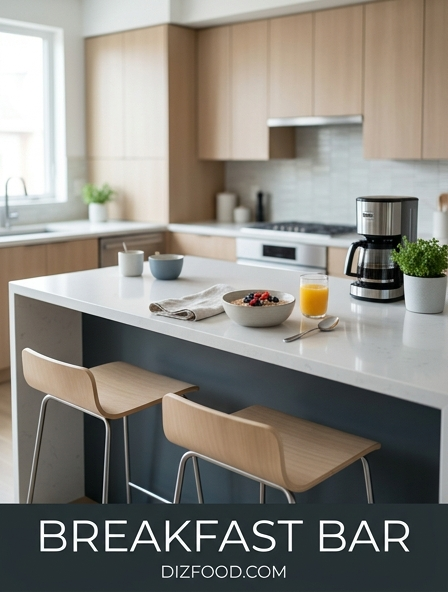
Your kitchen is no longer just a zone for meal prep; it is the heartbeat of the home where lasting memories are created. By integrating a functional breakfast bar, you can effortlessly transform a basic utility space into a vibrant social hub that encourages genuine connection. This versatile design choice invites family and guests to linger, turning routine morning coffee or evening appetizers into engaging, interactive experiences. Whether you are maximizing a compact footprint or enhancing a sprawling island, a well-planned bar creates a seamless bridge between the chef and the company. To determine which layout best suits your hosting style, consider the unique social dynamics of Chef Counter Seating vs Banquette Nook Conversations.
The Evolution of the Modern Kitchen Social Hub
The kitchen breakfast bar has undergone a significant transformation, evolving from a simple utility ledge into the undisputed social heart of the modern home. Historically, kitchens were isolated zones designated solely for meal preparation, separated from the living areas by walls and doors. However, as lifestyles shifted toward open-concept living, the breakfast bar emerged as a bridge between culinary functions and domestic relaxation. This architectural shift reflects a broader cultural change where the act of cooking is no longer a chore performed in private, but a shared experience enjoyed with family and friends.
- Transition from closed-off galleys to open-plan layouts.
- Increased emphasis on casual, informal dining over formal settings.
- Integration of multi-functional furniture to suit busy lifestyles.
- Evolution of the "Social Triangle" connecting the stove, sink, and seating area.
Today, these bars serve as versatile hubs where morning coffee, evening cocktails, and mid-day snacks occur seamlessly. By removing physical barriers, the breakfast bar encourages constant engagement, ensuring the cook remains part of the conversation while allowing guests to linger comfortably within the kitchen's orbit without interfering with the workflow.
Maximizing Small Spaces with Functional Breakfast Bars
In compact urban apartments or smaller suburban kitchens, a breakfast bar is often the most efficient way to incorporate dining space without the footprint of a traditional table. Smart design allows these installations to serve dual purposes, acting as both extra counter space for meal prep and a designated area for eating. To maximize limited square footage, designers often look toward "floating" ledges or extended countertops that utilize existing islands or peninsulas.
- Opt for a cantilevered countertop to provide legroom without bulky base cabinets.
- Utilize stools that tuck completely under the bar when not in use.
- Install a fold-down wall-mounted ledge for ultra-tight galley kitchens.
- Select clear acrylic or low-profile seating to maintain visual openness.
By prioritizing verticality and streamlined silhouettes, even the smallest kitchen can accommodate a social zone. The key is to maintain a minimum depth of 12 to 15 inches for the overhang, ensuring functionality while keeping the walkways clear. This strategic approach ensures that the kitchen remains navigable while gaining a high-value asset for daily use and hosting.
Designing the Perfect Layout for Guest Interaction
The success of a breakfast bar as a hosting spot depends heavily on its spatial configuration and relationship to the primary work zones. A well-designed layout ensures that guests feel included in the culinary process without obstructing the "work triangle" of the stove, refrigerator, and sink. Proper distancing is crucial; seating should be positioned so that the host can maintain eye contact and conversation while chopping or stirring.
| Layout Type | Interaction Level | Primary Benefit |
|---|---|---|
| Island Bar | High | 360-degree access and central focus. |
| Peninsula | Medium | Defines kitchen boundaries in open plans. |
| Window Ledge | Low | Maximizes views and saves interior floor space. |
When planning the height, a standard counter height of 36 inches offers a seamless transition from the prep area, while a raised bar height of 42 inches helps hide kitchen clutter from the rest of the house. Regardless of the choice, the layout must facilitate a natural flow of movement, allowing guests to enter and exit the seating area without causing a bottleneck in high-traffic zones.
Choosing Ergonomic Seating for Extended Socializing
For a breakfast bar to truly function as a social hub, the seating must prioritize comfort for extended periods. Unlike a quick stool used for a five-minute snack, social seating requires ergonomic considerations to prevent fatigue. Height compatibility is the first rule of selection: stools should generally be 10 to 12 inches lower than the underside of the counter to allow for comfortable leg clearance and posture. Material choice also plays a role in comfort, with upholstered seats providing more "staying power" than hard wood or metal alternatives.
- Backrests: Essential for lumbar support during long conversations.
- Footrests: Critical for maintaining circulation and reducing leg strain.
- Swivel Bases: Allow guests to easily turn toward the kitchen or the living room.
- Armrests: Add comfort but require extra width per seating station.
Providing a mix of textures and sturdy construction ensures that guests feel secure and relaxed. When measuring for stools, allow at least 24 to 30 inches of width per person. This spacing prevents overcrowding and ensures that everyone has enough elbow room to enjoy a meal or a drink comfortably while engaged in lively discussion.
Durable Material Selections for High Traffic Counters
Because the breakfast bar is a multi-use surface subject to spills, heat, and heavy use, selecting the right material is paramount. The surface must be resilient enough to handle sharp utensils and hot coffee mugs while remaining aesthetically pleasing for guests. High-traffic areas benefit from non-porous materials that resist staining and are easy to sanitize after a social gathering. While natural stone offers timeless beauty, modern engineered surfaces often provide superior durability for the rigors of a busy social kitchen.
| Material | Durability | Maintenance Needs |
|---|---|---|
| Quartz | Very High | Low; non-porous and scratch-resistant. |
| Granite | High | Moderate; requires periodic sealing. |
| Butcher Block | Medium | High; needs regular oiling and sanding. |
| Laminate | Low | Low; cost-effective but prone to heat damage. |
Quartz has become a favorite for modern bars due to its consistency and lack of maintenance requirements. However, those seeking a warmer, more organic feel may opt for reclaimed wood or thick butcher block, provided they are prepared for the upkeep. Ultimately, the material should complement the overall kitchen design while standing up to the daily wear and tear of a bustling household.
Integrating Smart Storage Solutions Within the Bar
A well-planned breakfast bar does more than just provide a place to sit; it acts as a hidden storage powerhouse. By utilizing the volume beneath the counter, homeowners can clear clutter from primary workspaces and keep social essentials within arm's reach. This is particularly useful in open-concept homes where keeping the kitchen looking tidy is a priority. Deep drawers, specialized racks, and integrated technology can all be tucked away behind sleek cabinetry panels to maintain a clean aesthetic.
- Pull-out bins for recycling and trash to keep the area clean during hosting.
- Built-in wine or beverage coolers located on the guest-facing side.
- Hidden power outlets and USB ports for charging devices during casual use.
- Shallow cabinets on the "stool side" for storing seasonal platters or linens.
Strategic storage ensures that everything needed for a quick breakfast or an evening gathering-from napkins to glassware-is accessible without leaving the seating area. Utilizing "dead space" at the ends of the bar for bookshelves or spice racks further enhances the utility of the structure, making it a masterpiece of kitchen efficiency and organization.
Ambiance and Lighting for the Ultimate Hosting Spot
Lighting is the final touch that defines the mood of a kitchen social hub. While task lighting is necessary for the prep areas, the breakfast bar requires a more nuanced approach to create an inviting atmosphere. A combination of layers-ambient, task, and accent lighting-ensures the space is functional during the day and atmospheric at night. The goal is to illuminate the surface clearly without creating glare that might distract guests or the cook.
Pendant lights are the most popular choice for breakfast bars, serving as both a light source and a visual anchor for the room. When hanging pendants, they should typically be spaced 30 to 36 inches above the counter and roughly 24 inches apart to ensure even coverage. Using dimmers is a highly recommended strategy, allowing the host to transition from bright, energetic morning light to a softer, warmer glow for evening dinner parties or intimate drinks.
Additionally, under-counter LED strips can provide a subtle "wash" of light that highlights the texture of the bar's base or provides a gentle nightlight for the kitchen. By carefully selecting the color temperature-aiming for a warm 2700K to 3000K-you can ensure the space feels cozy and welcoming rather than clinical or harsh.
Versatile Utility for Remote Work and Casual Dining
In the age of flexible schedules, the breakfast bar has taken on a new role as a secondary home office or "landing strip" for daily tasks. Its height and proximity to the coffee machine make it an ideal spot for checking emails in the morning or for children to complete homework while dinner is being prepared. This versatility requires a design that accommodates modern technology as much as it does dinnerware. A bar that lacks connectivity quickly becomes a dead zone in a tech-heavy household.
- Integrated pop-up outlets to keep laptop chargers out of the way.
- Wireless charging pads built directly into the countertop surface.
- Ample surface area to accommodate a laptop alongside a plate or cup.
- Comfortable stool heights that support a healthy typing posture.
This "work-from-home" functionality does not detract from the bar's social purpose; rather, it reinforces the kitchen's status as the home's command center. When the workday ends, the laptop is easily stowed in a nearby drawer, and the surface reverts to its primary role as a place for casual dining and relaxation, proving that modern furniture must be as adaptable as the people using it.
Bridging the Gap Between Cooking and Entertaining
The primary architectural benefit of a breakfast bar is its ability to dissolve the boundary between the "back of house" work and "front of house" socializing. In traditional kitchen setups, the cook is often isolated, missing out on the laughter and stories happening in another room. The breakfast bar solves this by creating a communal zone where the boundary is a mere piece of stone or wood. This proximity allows for "interactive hosting," where guests might help with light prep work like snapping beans or pouring wine while staying out of the primary cooking path.
To enhance this bridge, many designers incorporate a two-tiered counter. The lower tier provides a standard-height prep surface for the chef, while the higher tier shields the "messy" aspects of cooking-like dirty dishes or vegetable scraps-from the guests' view. This creates a clean, sophisticated experience for the visitor while maintaining a functional workspace for the host. By fostering this connection, the kitchen becomes less of a service area and more of a stage, where the process of making a meal is as valued as the meal itself. This layout promotes a relaxed environment where everyone feels comfortable and engaged throughout the entire visit.
Personalizing Your Breakfast Bar Style and Decor
Since the breakfast bar is often the most visible part of the kitchen from the living area, it offers a prime opportunity for personal expression. Decorating this space involves balancing functionality with aesthetic flair to ensure it complements the home's overall design language. Because the surface is frequently used, decor should be intentional and easy to move. A centerpiece that is too large or fragile can hinder the bar's utility, so choosing items that add character without creating clutter is the goal.
- Use oversized wooden or marble bowls to hold fresh fruit or seasonal produce.
- Incorporate high-quality coasters or placemats that add color and texture.
- Select statement stools that contrast with the cabinetry for a pop of style.
- Add a small, low-profile vase with fresh greenery to bring life to the counter.
Lighting fixtures also serve as a major decorative element; choose pendants that reflect your personal style, whether it's industrial, coastal, or mid-century modern. By thoughtfully layering textures, colors, and functional accessories, the breakfast bar becomes more than just a piece of furniture-it becomes a curated reflection of the home's personality and a welcoming invitation for all who enter.

Comments