
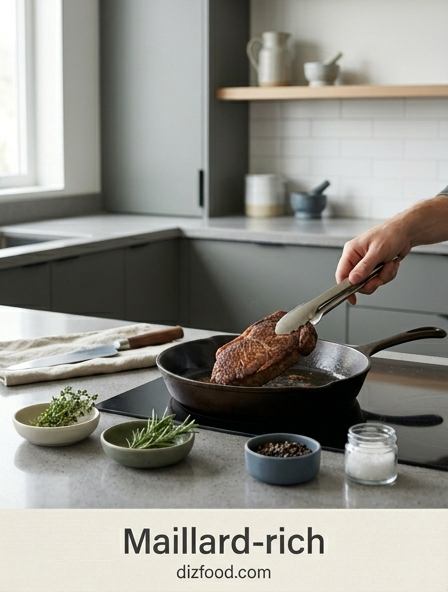
The Art of the Char in Modern Hosting
In the contemporary culinary landscape, hosting has evolved from simple meal preparation into a sensory performance centered on the Maillard reaction. This chemical bridge between amino acids and reducing sugars transforms the surface of proteins and starches into a complex tapestry of deep browns and intense savory notes. For the modern host, achieving the perfect char is not merely about cooking; it is about signaling quality and craftsmanship to the guest. When a crust forms on a dry-aged ribeye or a head of cauliflower, it releases aromatic compounds that prime the appetite before the first bite is even taken.
The visual appeal of a Maillard-rich dish serves as a centerpiece for any gathering. The contrast between a dark, textured exterior and a succulent, tender interior creates a physical experience that elevates the dining atmosphere. By focusing on high-heat techniques, hosts can move away from traditional, monochromatic plating toward a more rustic and sophisticated aesthetic. This approach honors the primal connection humans have with fire while utilizing modern precision to ensure every edge is perfectly caramelized without being burnt, striking a delicate balance that defines high-end hospitality.
Essential Tools for High-Heat Flavor
To master the Maillard reaction, one must curate a kitchen arsenal designed to handle and maintain extreme temperatures. Standard non-stick pans are insufficient for this task, as they often degrade under the heat required to trigger deep browning. Instead, the focus shifts to materials with high thermal mass and emissivity, allowing for consistent heat transfer even when cold ingredients are introduced to the surface. The right tools act as conductors for flavor, ensuring that every square inch of the ingredient makes optimal contact with the heat source.
- Cast Iron Skillets: Prized for their heat retention, these are essential for creating a uniform crust on thick cuts of meat.
- Carbon Steel Pans: Combining the heat properties of iron with the responsiveness of stainless steel, these are ideal for high-heat vegetable searing.
- Infrared Thermometers: Precision is key; knowing the exact surface temperature prevents the transition from Maillard browning to carbonization.
- Culinary Blowtorches: These allow for targeted charring on delicate items or for finishing nooks and crannies that a flat pan cannot reach.
Investing in these specialized implements allows the home cook to replicate professional-grade results. By maintaining a surface temperature between 300°F and 500°F, these tools facilitate the rapid evaporation of surface moisture, which is the primary obstacle to achieving a crisp, flavorful exterior.
Balancing Bitter Smoke with Bright Acidity
The intensity of charred flavors often introduces a subtle bitterness that, while delicious, can overwhelm the palate if left unchecked. The hallmark of a sophisticated Maillard-rich dish is the equilibrium found between the heavy, umami-laden notes of the char and the refreshing snap of acidity. This contrast not only cleanses the tongue between bites but also highlights the hidden sweetness within the browned crust. Understanding this interplay allows a chef to push the limits of browning without the dish feeling one-dimensional or heavy.
| Charred Component | Acidic Balancer | Resulting Profile |
|---|---|---|
| Seared Scallops | Finger Lime or Yuzu | Bright, ocean-sweet harmony |
| Charred Brussels Sprouts | Aged Balsamic or Cider Vinegar | Earthy with a tangy finish |
| Blackened Skirt Steak | Chimichurri with Red Wine Vinegar | Robust, vibrant, and savory |
Incorporating citrus zest, pickled elements, or fermented vinegars creates a multi-dimensional tasting experience. The acidity acts as a foil to the fatty acids and proteins that have been transformed by the heat, ensuring that each guest remains engaged with the meal through to the final course.
Vegetable-Forward Fire: Elevating Simple Ingredients
Vegetables often possess a high natural sugar content, making them ideal candidates for Maillard transformation. When subjected to intense, direct heat, vegetables like carrots, brassicas, and alliums undergo a radical change in both texture and taste. The natural sugars caramelize while the amino acids undergo the Maillard reaction, resulting in a savory depth that rivals any meat dish. This technique is particularly effective for modern hosting, where plant-based options are frequently requested and expected to be as robust as their carnivorous counterparts.
For instance, roasting a whole cabbage over embers or in a blistering oven turns a humble leaf into a buttery, smoky delicacy. The outer layers may darken significantly, providing a crisp texture that yields to a tender, steaming core. To maximize these effects, it is crucial to ensure the vegetables are as dry as possible before they hit the heat; moisture creates steam, and steam prevents browning. By focusing on the "fire" aspect of vegetable cookery, simple ingredients are elevated to the status of a main course, proving that the art of the char is a universal culinary language applicable to the entire produce aisle.
The Social Appeal of Open-Flame Cooking
There is an inherent magnetism to open-flame cooking that transcends cultural boundaries and brings guests together. The flickering light, the sound of the sizzle, and the intoxicating aroma of browning proteins create a communal focal point that a closed kitchen cannot provide. In the context of modern hosting, moving the cooking process into the social space-whether via an outdoor fire pit or an indoor hearth-turns the act of making a meal into a shared event. It breaks down the barrier between the chef and the guests, inviting conversation and curiosity.
This social appeal is rooted in the primal satisfaction of watching food transform over fire. The anticipation builds as guests observe the gradual darkening of the crust and the fat rendering into the coals. This transparency in cooking builds trust and excitement, making the eventual meal feel like a hard-earned reward. By embracing the unpredictability and raw energy of open flames, hosts can create a relaxed yet high-energy environment where the process of preparation is just as memorable as the consumption, fostering a deeper connection between the diners and the elements on their plates.
Signature Rubs and Bold Umami Marinades
The Maillard reaction can be accelerated and intensified through the strategic application of rubs and marinades. These preparations introduce additional sugars and proteins to the surface of the food, providing more "fuel" for the browning process. A well-crafted rub does more than season; it creates a structural crust that locks in moisture while providing a concentrated burst of flavor. When designing these flavor profiles, it is essential to consider the chemical reactivity of each ingredient under high heat.
- Preparation: Pat the protein dry to remove all surface moisture, ensuring the rub adheres and the pan temperature doesn't drop.
- Application: Apply a light coating of an oil with a high smoke point, followed by the dry rub, pressing it firmly into the surface.
- Resting: Allow the seasoned ingredient to sit for 20 minutes, allowing the salt to penetrate and the sugars to begin dissolving for a more even crust.
- Searing: Introduce to the heat source, allowing the rub to darken into a mahogany glaze.
Ingredients like porcini powder, soy sauce, and dark brown sugar are favorites for creating a signature "umami crust." These components provide the necessary chemical precursors to ensure that even a short sear results in a complex, deeply colored exterior that defines professional-level Maillard mastery.
From Kitchen to Table: Seamless Charred Presentation
The transition from the high-heat environment of the kitchen to the aesthetic calm of the dining table is a critical phase in Maillard-focused hosting. A charred dish loses its appeal if the presentation is messy or if the residual heat overcooks the center. To present charred food effectively, one must treat the crust as a visual asset. Slicing meat against the grain after a proper rest allows the guest to see the vibrant contrast between the dark exterior and the perfectly cooked interior. This reveals the technical skill involved in the cooking process.
Plating should emphasize the rustic nature of the char. Utilizing matte-finish ceramics or slate boards can complement the dark tones of the food without the distraction of reflective glazes. Garnish should be minimal and purposeful-perhaps a sprinkle of flaky sea salt to catch the light on the charred ridges or a drizzle of bright green herb oil. The goal is a "seamless" presentation where the food looks as if it was plucked directly from the flame but handled with the grace of a fine-dining establishment. This balance of the rugged and the refined is the hallmark of modern charred presentation.
Smoky Infusions in Modern Cocktail Pairings
The Maillard-rich theme of a dinner party should not be confined to the plate; it can be elegantly extended into the beverage program. Modern mixology has embraced the "burnt" and "smoky" aesthetic through various techniques that mirror the kitchen's focus on high-heat flavor. By incorporating charred elements into cocktails, a host can create a cohesive flavor narrative that spans from the first aperitif to the final digestif. This approach uses smoke as a seasoning rather than just a gimmick.
- Charred Fruit Garnishes: Grilling citrus wheels or peach slices caramelizes their sugars, adding a caramelized depth to gin or bourbon drinks.
- Smoked Glassware: Inverting a glass over a piece of smoldering cinnamon or oak traps aromatics that greet the guest with every sip.
- Mezcal and Islay Scotch: Using spirits that naturally possess a smoky profile to complement charred appetizers like grilled octopus.
- Torched Herbs: Briefly flaming a sprig of rosemary or thyme releases essential oils that provide a savory, woodsy aroma.
These smoky infusions act as a bridge between the bar and the grill. When a guest smells the singed rosemary in their glass, it echoes the charred crust on the main course, creating a sophisticated and holistic dining experience that feels intentionally curated and deeply memorable.
Mastering the Maillard Reaction for Crowds
Cooking for a large group presents the challenge of maintaining the quality of the Maillard reaction without spending the entire evening at the stove. The key is batch-searing and utilizing the oven for finishing. Rather than attempting to cook ten steaks to completion in a single pan-which would lead to overcrowding, temperature drops, and grey, steamed meat-the savvy host sears in stages. This ensures each piece of protein achieves a high-quality crust before being moved to a secondary heat source to reach the desired internal temperature.
The reverse sear is a particularly effective technique for crowds. By slowly bringing meat up to temperature in a low oven first, the surface becomes exceptionally dry. A quick, high-heat sear right before serving then produces a perfect Maillard crust in a fraction of the time. This method allows the host to focus on the guests during the slow-cooking phase, only returning to the kitchen for the final, dramatic "finish." Consistency across many plates is the ultimate sign of a master host, ensuring that the first guest and the last guest both enjoy the same complex, savory browning.
Creating Memorable Moments Through Interactive Cooking
Finalizing a meal with an interactive element centered on heat and char can leave a lasting impression on guests. Interactive cooking invites diners to participate in the Maillard process, whether through a DIY tabletop grill or a table-side torching of a dessert. This transition from passive observer to active participant turns a meal into an activity. When guests see the sugar on a crème brûlée liquefy and darken under a flame, or watch a piece of Wagyu sizzle on a hot stone, they are witnessing the Maillard reaction in real-time.
This approach works exceptionally well for desserts or small "intermezzo" courses. For example, providing high-quality marshmallows and artisanal chocolates for a sophisticated indoor s'mores experience allows guests to control their own level of char. These interactive moments break the formality of a dinner party and encourage playfulness. By centering these activities on the transformative power of heat, the host reinforces the theme of the evening: that the most intense and satisfying flavors are born from the flame. It is these shared experiences of fire and flavor that guests will remember long after the last plate is cleared.

Comments