
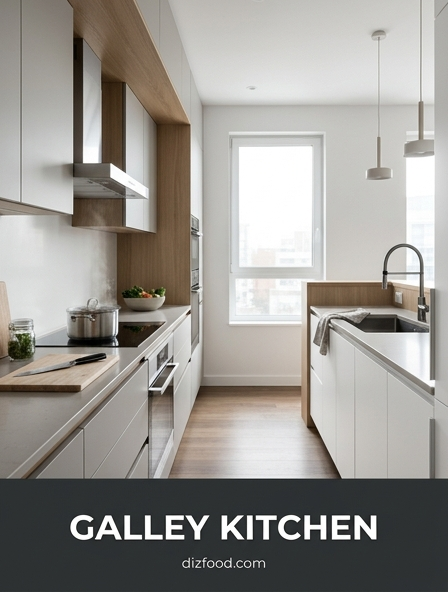
Streamlining the Culinary Work Triangle
The galley kitchen is often celebrated as the most efficient layout for serious cooking, primarily due to its ability to condense the work triangle. By positioning the refrigerator, sink, and stove along two parallel counters, the distance between these essential hubs is minimized. This configuration allows a chef to transition from prep to heat with just a simple pivot or a single step, eliminating the unnecessary walking required in larger, more sprawling L-shaped or U-shaped designs. This streamlining is not merely about saving time; it is about maintaining the momentum of the cooking process.
When designing this space, professional designers often prioritize the following elements to ensure the triangle remains unobstructed:
- Strategic placement of the sink and stove on opposite walls to prevent crowding.
- Ensuring the aisle width is between 48 to 60 inches for optimal passage.
- Locating the refrigerator at the end of a run to allow access without disrupting the cook.
- Integrated pull-out surfaces that expand workspace during heavy prep periods.
By focusing on these spatial relationships, the galley kitchen transforms into a high-functioning engine room where every movement is intentional and every tool is strategically placed for maximum culinary output.
Fostering Close Connections During Meal Prep
While galley kitchens are frequently associated with industrial efficiency, they possess a unique ability to foster social connection through proximity. The narrow corridor design naturally brings individuals together, making the kitchen a hub for conversation rather than just a site for labor. In a modern home, one side of the galley often opens into a living or dining area, turning the counter into a bridge where the cook can interact with family members or guests without leaving their station.
This layout encourages a "side-by-side" collaborative environment. Whether it is a parent teaching a child to chop vegetables or two partners assembling a complex meal, the close quarters necessitate a rhythmic coordination. To enhance this social aspect, many homeowners incorporate the following features:
- A peninsula with stool seating on the outward-facing side.
- Under-cabinet task lighting that creates a warm, inviting glow for evening chats.
- Open shelving to display curated glassware or cookbooks, sparking conversation.
- Strategic acoustic dampening to allow for easy dialogue over the sound of sizzling pans.
In this environment, the act of preparing food becomes a shared experience, reinforcing bonds through the simple proximity of the galley's intimate architectural footprint.
Professional Workflow Within Arms Reach
Professional chefs often prefer the galley layout because it mimics the "line" found in commercial restaurant kitchens. In this setting, the workflow is linear and logical, allowing for a rapid pace that larger kitchens cannot sustain. Everything needed-from high-BTU burners to specialized cutlery-is positioned within arm's reach. This ergonomic advantage reduces physical fatigue and allows the cook to focus entirely on the technique and timing of the dish being prepared.
| Workflow Component | Galley Advantage |
|---|---|
| Mise en Place | Ample continuous counter runs for organizing ingredients. |
| Heat Access | Proximity to the range from the prep zone reduces spill risks. |
| Cleanup | Deep sinks positioned directly across from storage simplifies the process. |
| Storage | Floor-to-ceiling cabinetry maximizes vertical space for professional gear. |
The efficiency of this professional-style workflow is further enhanced by the lack of corner cabinets, which often create "dead zones" in other layouts. In a galley, every inch of cabinetry is easily accessible, ensuring that heavy mixers or specialty pans are never buried and forgotten at the back of a deep, dark shelf.
The Intimacy of Shared Cooking Spaces
The galley kitchen is a masterclass in the intimacy of shared labor. In larger kitchens, cooks can become isolated at different ends of an island or along distant walls, but the narrow confines of a galley require a dance of cooperation. This spatial constraint turns meal preparation into a choreographed event where two people must communicate and synchronize their movements. It is a layout that celebrates the "too many cooks" scenario by turning it into an organized, collaborative effort.
This intimacy is not just about physical space; it is about the sensory experience of the kitchen. The closeness of the walls helps contain the aromas of fresh herbs and simmering sauces, creating a concentrated atmosphere of domestic warmth. In a shared galley, the hand-off of a tasting spoon or the collaborative monitoring of a boiling pot happens naturally. Designers often use soft-close hinges and integrated appliances to ensure that this close-contact environment remains serene and fluid, rather than cluttered and chaotic. The result is a space that feels personal and lived-in, where the architecture itself encourages a shared rhythm in the daily ritual of feeding the household.
Optimizing Movement for Maximum Efficiency
In a galley kitchen, movement is optimized through a longitudinal flow that eliminates the backtracking common in larger floor plans. The design philosophy is rooted in the "one-step" rule: most tasks should be achievable with a single step in any direction. This efficiency is vital for those who cook frequently and want to minimize the physical toll of domestic labor. By analyzing the path from the pantry to the prep station and finally to the stove, one can see how the galley facilitates a logical progression of tasks.
- Unloading: Groceries move from the entry point directly to the end-cap refrigerator or pantry.
- Preparation: Items are moved to the central counter space located between the sink and the stove.
- Cooking: Prepared ingredients transition laterally to the cooktop or oven.
- Service: Finished plates are placed on the far end of the counter, ready for the dining room.
- Cleanup: Soiled dishes move back to the sink and dishwasher, located centrally for easy access.
This sequence ensures that there are no "cross-traffic" conflicts, especially when multiple people are utilizing the space. By adhering to this linear logic, the galley kitchen remains the gold standard for ergonomic movement.
Galley Layouts and Social Engagement
Modern galley kitchens have evolved beyond the "enclosed corridor" stereotype to become vibrant centers of social engagement. By removing one wall or replacing it with a long island, the galley transforms from a secluded workspace into a stage. This "open-sided" galley is particularly popular in contemporary urban apartments, where it serves as a partition between the utility of the kitchen and the comfort of the living area. It allows the cook to remain the center of the party, facing guests while finishing the final touches of a meal.
The social engagement of a galley is further enhanced by the use of consistent materials that bridge the gap between rooms. For example, using the same hardwood flooring or color palette in the kitchen and the adjacent living space creates a visual continuity that makes the kitchen feel less like a service room and more like a lounge. Wide walkways in these open galleys allow for "perch points" where guests can lean against the outer counter with a glass of wine, participating in the cooking process through conversation without encroaching on the chef's critical work zone. This balance of function and social visibility makes the galley a favorite for modern entertainers.
Ergonomic Design for the Home Chef
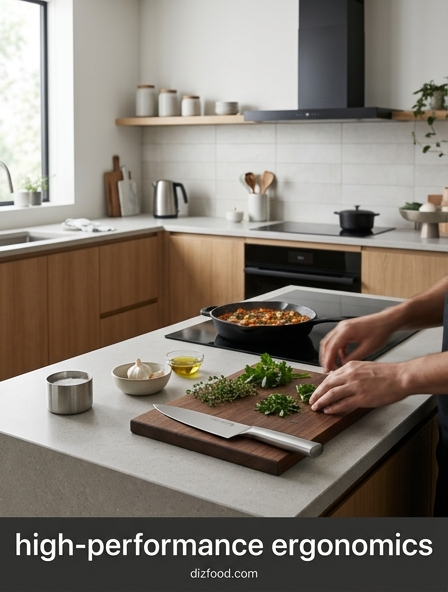
Ergonomics in a galley kitchen is about more than just the floor plan; it involves the vertical and horizontal alignment of every element to suit the human body. Because the space is narrow, the relationship between the height of the counters and the reach of the shelving becomes paramount. The goal is to minimize bending, stretching, and twisting, which can lead to strain over time. In a well-designed galley, the most frequently used items are kept in the "golden zone"-the area between the hips and the shoulders.
Key ergonomic considerations for a high-performance galley include:
- Varying counter heights to accommodate different tasks like kneading dough versus chopping.
- Installing toe-kicks with adequate depth to allow the cook to stand closer to the workspace.
- Using pull-out drawers instead of lower cabinets to bring items to the user.
- Placing the microwave and wall oven at eye level to prevent heavy lifting from a crouched position.
When these ergonomic principles are applied, the galley kitchen becomes an extension of the chef's own body, allowing for a seamless and comfortable cooking experience that can be enjoyed for hours without physical fatigue.
Bridging the Gap Between Cooking and Hosting
The galley kitchen is an architectural bridge that connects the private act of cooking with the public act of hosting. In many homes, the galley acts as a thoroughfare, a transitional space that guests pass through or linger in. To successfully bridge these two worlds, designers often focus on the "view through" the kitchen. By placing a window or a decorative focal point at the far end of the galley, the space feels like a destination rather than a cramped hallway. This visual pull encourages flow and makes the kitchen feel integrated into the home's larger narrative.
Hosting from a galley requires a dedicated "staging area." This is typically a section of the counter furthest from the heat source where hors d'oeuvres can be set out or drinks can be poured. This allows guests to serve themselves without entering the "hot zone" of the kitchen. Additionally, integrated paneling on appliances like dishwashers and refrigerators helps the kitchen blend into the surrounding decor, maintaining a sophisticated atmosphere for guests. This thoughtful integration ensures that the kitchen remains a high-performance workspace while simultaneously serving as an elegant backdrop for social gatherings and celebrations.
High Performance in Compact Kitchen Footprints
A compact footprint does not necessitate a compromise in performance. In fact, many of the world's most advanced kitchens are galleys located in high-density urban environments. The key to high performance in a small space is the selection of "smart" appliances and the utilization of every cubic inch of volume. In a galley, vertical storage is the greatest asset, allowing for the storage of professional-grade tools that might otherwise require a much larger room.
| Feature | Impact on Performance |
|---|---|
| Compact Induction | Rapid heating with a smaller surface area than gas. |
| Slimline Dishwasher | Full cleaning power in an 18-inch width. |
| Tiered Drawer Organizers | Doubles the storage capacity of standard cabinetry. |
| Integrated Task Lighting | Eliminates shadows, increasing safety and precision. |
By prioritizing quality over quantity, a galley kitchen can outperform larger spaces. The focus shifts to high-end finishes, precision engineering, and innovative storage solutions like magnetic knife strips and ceiling-mounted pot racks. This concentrated approach ensures that the kitchen remains a powerhouse of productivity despite its modest dimensions.
Cultivating Warmth Through Narrow Design
The narrowness of a galley kitchen can be its greatest aesthetic strength, providing an opportunity to create a "jewel box" effect. While large kitchens can often feel cold or cavernous, the galley's proportions lend themselves to a sense of cozy enclosure. Cultivating warmth in this design involves a careful selection of materials and lighting. Rich wood grains, warm metallic hardware, and textured backsplashes can transform a functional corridor into a deeply inviting sanctuary. The aim is to embrace the "hug" of the space rather than trying to make it appear larger than it is.
Lighting plays a critical role in this cultivation of warmth. Instead of harsh overhead fluorescents, a combination of warm LED strips under cabinets and decorative pendant lights at the ends of the run can create layers of light. This adds depth and character, highlighting the craftsmanship of the cabinetry and the beauty of the countertops. Small touches, such as a colorful runner rug along the floor or a small herb garden on a sunny windowsill, add a lived-in, organic feel. In this way, the galley kitchen becomes more than just a place to cook; it becomes a warm, atmospheric heart of the home where every detail contributes to a sense of comfort.


Comments