
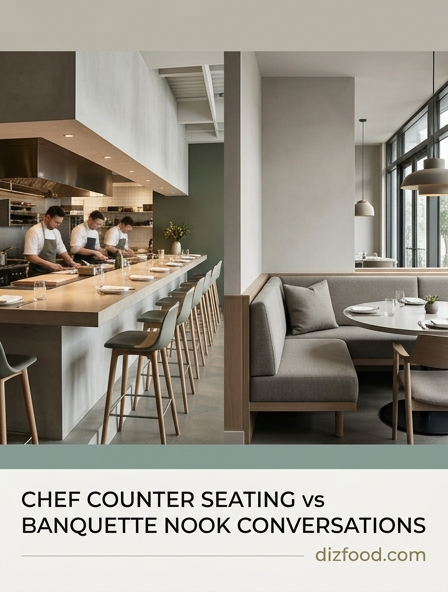
Transforming your home kitchen into a high-end gastronomic stage begins with a professional chef counter setup. This intentional design choice does more than just modernize your aesthetic; it bridges the gap between culinary precision and the warmth of hospitality. By placing your guests right at the heart of the action, you create an immersive environment where every sear, slice, and plated garnish becomes part of the evening's entertainment. It is all about merging professional-grade functionality with a sophisticated social atmosphere that invites curiosity and connection. When planning your layout, consider the unique social dynamics of Chef Counter Seating vs Banquette Nook Conversations to find the perfect fit for your hosting style.
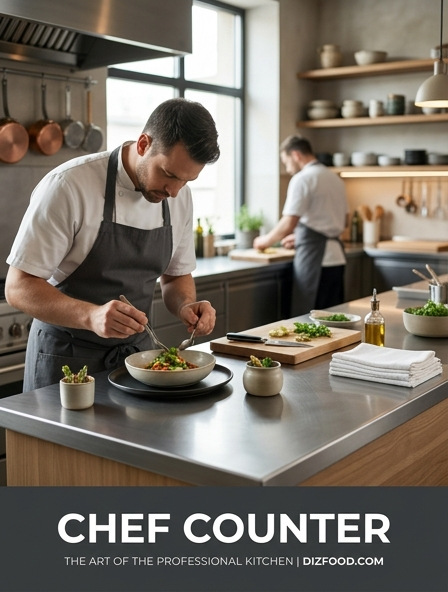
The Evolution of the Chef Counter in Modern Homes
The concept of the kitchen has undergone a radical transformation, shifting from a secluded service area to the beating heart of the domestic environment. Historically, the "chef's table" was a privileged seat located deep within professional kitchens, reserved for family, friends, or VIP guests who wished to witness the culinary process firsthand. This exclusive experience has migrated into modern residential architecture through the development of the high-end chef counter.
Today's homeowners view the kitchen as a stage rather than a chore-bound utility room. The evolution of the chef counter reflects a desire for transparency and connection, removing the physical barriers that once separated the cook from the company. This architectural shift is driven by several key factors:
- The rise of culinary media and celebrity chef culture.
- A growing preference for open-concept living spaces.
- Advancements in ventilation technology that allow for indoor grilling and high-heat searing.
- The integration of professional-grade appliances into residential cabinetry.
As we continue to prioritize experiential living, the chef counter serves as the bridge between functional food preparation and sophisticated domestic entertainment, redefining the very nature of the home.
Designing the Perfect Social Kitchen Hub
Creating a chef counter that functions effectively as a social hub requires a delicate balance between utility and hospitality. The design must accommodate the intense activity of cooking while providing a comfortable, non-intrusive space for guests to gather. Central to this design is the concept of the "theatre of food," where every movement of the host is visible but the mess of preparation remains managed and discrete.
A successful social hub utilizes a tiered or oversized island approach. By extending the counter surface beyond the standard dimensions, designers create a buffer zone that protects guests from splatters or heat while encouraging conversation. The orientation of the counter is equally vital; it should face the main living or dining area, ensuring the chef never has their back to the room. This layout fosters an atmosphere of inclusivity, where the acts of chopping, sautéing, and plating become a shared performance. When the boundary between the kitchen and the social zone is blurred, the host remains an active participant in the party, transforming meal preparation into the evening's primary entertainment.
Essential Professional Equipment for Your Home Counter
To truly emulate the functionality of a professional chef counter, the integration of high-performance equipment is non-negotiable. Homeowners are increasingly looking toward industrial tools that offer precision and power, tailored for a residential setting. These tools must be strategically placed to ensure they are accessible without cluttering the visual landscape of the kitchen.
The following table outlines essential professional-grade equipment that elevates the capabilities of a modern home chef counter:
| Equipment Type | Professional Benefit |
|---|---|
| Induction Cooktop | Offers rapid heating and precise temperature control. |
| Integrated Prep Sink | Streamlines the cleaning and preparation of raw ingredients. |
| Overhead Scupper | Provides industrial-strength ventilation for smoke and odors. |
| Warming Drawers | Keeps plates and finished components at the ideal service temperature. |
Beyond these large-scale additions, small details such as built-in vacuum sealers and blast chillers allow the home cook to utilize advanced techniques like sous-vide or rapid preservation, further narrowing the gap between amateur and professional results.
The Art of Interactive Cooking and Hosting
Interactive cooking at a chef counter turns a standard dinner party into a curated culinary event. The host takes on the role of both cook and narrator, explaining the provenance of ingredients and the rationale behind specific techniques. This transparency builds anticipation and appreciation for the meal, making the dining experience far more memorable for the guests.
To master this art, the chef must focus on three core components of interactive hosting:
- Preparation (Mise-en-place): Having all ingredients pre-measured and ready allows the host to focus on the guests rather than the recipe.
- Engagement: Encouraging guests to smell fresh herbs, taste a sauce in progress, or even help with a final garnish.
- Pacing: Managing the flow of courses to ensure there are no long periods of silence or frantic activity.
By treating the counter as a communal table, the host dissolves the traditional hierarchy of service. The result is a more relaxed, intimate atmosphere where the journey of the meal is just as significant as the final plate served.
Ergonomic Layouts for Seamless Food Preparation
Ergonomics are the silent foundation of any high-functioning chef counter. Without a layout that respects the natural movement of the human body, even the most expensive kitchen will feel cumbersome. The goal is to minimize unnecessary steps, reaching, and bending, allowing the chef to maintain a rhythmic flow during the preparation of complex multi-course meals.
A professional layout often departs from the traditional "work triangle" in favor of specialized zones. This ensures that different tasks-cleaning, prep, cooking, and plating-do not overlap or interfere with one another. Consider the following ergonomic specifications for a premium counter:
- Counter Height: A standard 36 inches is common, but a dedicated prep area may be slightly lower for better leverage.
- Aisle Width: A minimum of 42 to 48 inches allows for movement behind the counter without crowding.
- Storage Proximity: Spices, oils, and knives should be within an arm's reach of the primary cooking surface.
When these elements are aligned, the chef can operate with a level of grace and efficiency that mirrors a professional line, reducing physical fatigue and increasing the enjoyment of the process.
Selecting Premium Materials for Durability and Style
The materials chosen for a chef counter must endure the rigors of heavy culinary use while maintaining a sophisticated aesthetic that complements the home's interior. In a professional-style kitchen, the surfaces face constant exposure to high heat, sharp blades, and acidic spills, necessitating materials that are both resilient and non-porous.
Modern design allows for the mixing of textures to provide specialized work surfaces. For example, a homeowner might combine several different materials across one island to maximize functionality:
- Stainless Steel: The gold standard for hygiene and heat resistance near the range.
- Quartz or Porcelain: Highly durable and stain-resistant surfaces for the primary prep area.
- End-Grain Wood: A built-in butcher block section specifically for heavy chopping.
- Natural Stone: A marble or granite overhang for the guest seating area to add warmth and elegance.
By selecting premium materials that age gracefully, the chef counter becomes a permanent fixture of the home that gains character over time. Durability ensures that the kitchen remains a functional workspace rather than a fragile showpiece.
Strategic Lighting to Enhance the Culinary Stage
In the context of a chef counter, lighting serves a dual purpose: it provides the essential visibility required for precision knife work and creates the atmospheric drama of a fine-dining establishment. Without strategic lighting, the counter can feel flat or, worse, become a hazardous environment for the person preparing the food.
Effective lighting design utilizes a layered approach. Task lighting is the most critical element, often achieved through high-CRI (Color Rendering Index) recessed LEDs or sleek pendants that cast light directly onto the workspace without creating shadows. This allows the chef to accurately judge the color and texture of ingredients. Ambient lighting, such as under-counter LED strips or toe-kick lights, adds depth and helps define the architectural lines of the kitchen in the evening. Finally, accent lighting can be used to highlight specific features, such as a custom backsplash or a collection of professional copper cookware. By controlling these layers independently with dimmers, the host can shift the mood from a bright, energetic prep space to a warm, intimate dining venue as the meal progresses.
Optimizing Seating for the Ultimate Guest Experience
The seating at a chef counter is where the guest's experience is most keenly felt. Unlike a traditional dining table, counter seating puts the guest at eye level with the chef, making the choice of stools and the configuration of the seating area paramount for comfort. If the seating is poorly planned, guests will feel like they are encroaching on the workspace rather than being part of the event.
Key considerations for optimizing guest seating include:
- Legroom: Ensure a minimum 12-to-15-inch overhang to allow for comfortable knee clearance.
- Spacing: Each guest should have at least 24 inches of lateral space to avoid feeling cramped.
- Stool Support: High-backed stools with footrests are essential for long-duration dining.
- Sightlines: The seating should be arranged so that every guest has a clear view of the "action zone" of the counter.
When guests are physically comfortable, they are more likely to linger and engage with the culinary process, fulfilling the primary social objective of the chef counter layout.
Bridging the Gap Between Cooking and Socializing
The true success of a chef counter lies in its ability to facilitate meaningful human connection through the medium of food. In traditional home layouts, the person cooking is often isolated, missing out on the laughter and conversation happening in the next room. The chef counter bridges this gap by creating a shared territory where the acts of labor and leisure coexist seamlessly.
To foster this connection, the counter should be designed to encourage proximity without causing congestion. The following steps help bridge the social gap:
- Integrate Beverage Stations: Place a small wine fridge or coffee station at the end of the counter so guests can refresh their own drinks without entering the chef's work zone.
- Low Profile Appliances: Use downdraft ventilation instead of bulky hoods to keep sightlines open.
- Intentional Workflow: Design the flow of the kitchen so that cleanup happens away from the guests' line of sight.
By removing the physical and psychological barriers of the kitchen, the chef counter transforms cooking from a solitary task into a communal celebration of flavor and friendship.
Mastering the Professional Workflow in a Residential Space
To maintain the composure required for hosting while cooking, a home chef must adopt the rigorous workflow of a professional kitchen. This "mise-en-place" philosophy extends beyond just preparing ingredients; it encompasses the organization of the entire workspace and the timing of every action. Efficiency is the key to preventing the kitchen from becoming a chaotic environment for the guests.
The professional workflow can be categorized into four distinct phases, as shown in the table below:
| Phase | Key Objective | Residential Application |
|---|---|---|
| Prep | Ingredient readiness | Chopping and measuring before guests arrive. |
| Execution | The cooking process | Using high-heat surfaces for rapid, impressive results. |
| Service | Plating and presentation | Utilizing the counter as a final staging area. |
| Reset | Maintaining order | "Clean as you go" to keep the counter inviting. |
By mastering these phases, the home chef ensures that the counter remains a place of beauty and inspiration, where the complexity of the work is hidden behind a mask of effortless hospitality.

Comments