
Ever wondered why you instinctively reach for specific ingredients at certain times of day? Your kitchen habits are far more than mere preferences; they represent a window into your unique internal biological identity. These daily culinary patterns serve as a subconscious map of your metabolic health and circadian rhythm, revealing how your body manages energy and responds to hormonal shifts. By observing whether you crave savory proteins or quick carbohydrates, you can decode the complex physiological signals your brain sends throughout the day. This fascinating connection between biology and behavior is most evident when comparing the energy dynamics of Late Night Snack Raids vs Early Morning Coffee Rituals.
The Sensory Blueprint of Your Social Kitchen
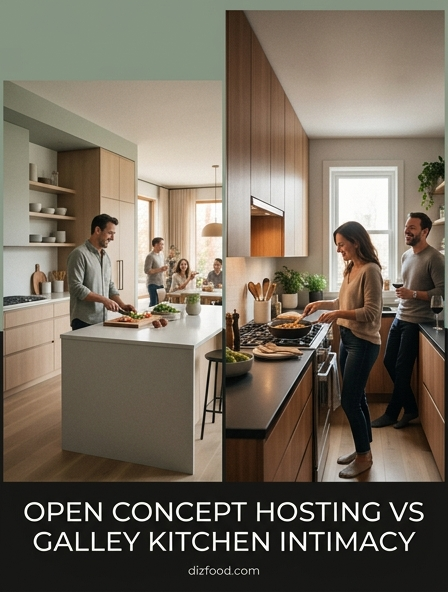
The social kitchen functions as a multisensory laboratory where biological responses are triggered by environmental stimuli. When individuals gather to prepare a meal, the brain orchestrates a complex symphony of sensory inputs, ranging from the rhythmic sound of a chef's knife to the visual vibrancy of fresh produce. These stimuli engage the primary somatosensory cortex, creating a shared physical experience that transcends mere nourishment. The architectural layout of a kitchen-its lighting, acoustics, and tactile surfaces-serves as a blueprint for these interactions.
- Visual Stimuli: The saturation of colors in ingredients can stimulate appetite and mood-regulating neurotransmitters.
- Auditory Feedback: Sizzling and chopping sounds create a temporal anchor for group coordination.
- Tactile Engagement: Handling raw ingredients promotes a grounding effect, reducing immediate cortisol levels.
This blueprint dictates how comfortably we occupy the space. A well-designed social kitchen maximizes these sensory checkpoints, ensuring that the act of cooking becomes a collective meditative practice. By understanding the sensory requirements of each participant, the kitchen evolves from a utility room into a neurological sanctuary for communal bonding.
Metabolic Markers in Communal Meal Preparation
Communal meal preparation significantly alters the metabolic state of participants before the first bite is even taken. Engaging in the physical labor of cooking-standing, stirring, and moving between stations-initiates a "pre-digestive" metabolic phase. Research indicates that the anticipation of shared food, combined with light physical activity, optimizes insulin sensitivity and prepares the glucose transport system for the upcoming caloric intake. This metabolic priming is often absent in solitary or passive dining scenarios.
| Metabolic Marker | Impact of Communal Prep | Biological Outcome |
|---|---|---|
| Insulin Sensitivity | Increased | Improved glucose regulation |
| Salivary Amylase | Elevated | Enhanced starch breakdown |
| Ghrelin Levels | Stabilized | Better appetite control |
These markers suggest that the kitchen environment acts as a metabolic regulator. When we cook with others, the pacing of the work aligns our internal clocks, creating a synchronized metabolic rhythm. This synchronization ensures that the body is in an anabolic state, ready to repair tissues and store energy efficiently once the meal begins.
Genetic Taste Profiles and Social Dining Preferences
Our genetic makeup dictates how we perceive flavors, which in turn shapes the dynamics of social dining. Variations in the TAS2R38 gene, for instance, determine sensitivity to bitter compounds found in cruciferous vegetables. In a shared kitchen, these genetic discrepancies can lead to "culinary friction" or, conversely, a diverse palate that benefits the whole group. Supertasters may find certain communal seasonings overwhelming, while non-tasters might push for bolder, more aggressive spice profiles.
Understanding these genetic predispositions allows for a more inclusive social dining experience. When a group acknowledges individual taste profiles, the menu becomes a reflection of collective biology rather than a singular preference. This genetic awareness fosters empathy in the kitchen, as participants realize that a dislike for cilantro or bitterness is not a choice, but a biological reality. By navigating these profiles, the social kitchen becomes a place of genetic negotiation, where the final dish is a compromise that satisfies the unique DNA of every guest at the table.
Microbiome Diversity Through Shared Culinary Rituals
The gut microbiome is not just an individual trait but a reflection of our social environment. Shared culinary rituals, such as kneading dough together or sharing tasting spoons, facilitate the horizontal transfer of beneficial microbes. This microbial exchange contributes to a "social microbiome," where frequent diners and co-cooks begin to exhibit similar bacterial colonies. This shared internal ecosystem can lead to synchronized immune responses and even similar cravings within a household or social circle.
- Microbial Exchange: Direct contact with shared surfaces and ingredients transfers skin and environmental flora.
- Fermentation Rituals: Collective participation in preparing fermented foods like kimchi or sourdough introduces diverse probiotics.
- Shared Dietary Fiber: Social groups often consume the same prebiotic fibers, nourishing similar bacterial strains.
This biological interconnectedness reinforces the importance of the kitchen as a site of health. By preparing and consuming food together, individuals diversify their microbial profiles, which is linked to improved mental health and a more robust immune system. The ritual of the meal thus serves as a biological bridge between individuals.
Chronotypes and the Timing of Kitchen Socializing
Culinary chronotypes define the peak windows of energy and digestive efficiency for different individuals. "Larks" or morning chronotypes may find their culinary creativity and social energy peaks during brunch preparation, while "Owls" thrive in the late-night atmosphere of a dinner party. Misalignment between these chronotypes can lead to kitchen stress, where one person's peak coordination coincides with another's circadian trough. Recognizing these patterns is essential for harmonious kitchen socializing.
Timing the kitchen experience to align with the group's collective chronotype ensures better digestion and social flow. For example, a late-night heavy meal might disrupt the melatonin production of an early riser, leading to poor sleep and metabolic dysfunction. Conversely, a morning kitchen ritual might feel taxing for those whose bodies are not yet metabolically active. By scheduling kitchen social time around these biological rhythms, the host can ensure that everyone is at their cognitive and digestive best, leading to more meaningful interactions and better health outcomes for the entire group.
The Neurobiology of Hosting and Stress Response
Hosting a meal involves a complex interplay between the "host's high"-a rush of oxytocin and dopamine-and the potential for a cortisol-driven stress response. The neurobiology of hosting is rooted in the ancient drive to provide and protect the tribe. When the kitchen environment is organized and collaborative, the brain's reward system is activated, reinforcing social bonds. However, if the demands of the kitchen exceed the host's perceived control, the amygdala triggers a fight-or-flight response, which can be palpable to guests.
- Oxytocin Release: Triggered by acts of service and physical proximity to loved ones.
- Dopamine Spikes: Occur when guests express appreciation for the food.
- Cortisol Regulation: Managed through preparation and delegation of kitchen tasks.
To maintain a healthy neurobiological balance, successful hosts often employ "culinary mindfulness," focusing on the process rather than just the outcome. This shift in focus helps regulate the autonomic nervous system, ensuring that the kitchen remains a place of joy rather than a source of chronic stress for the individual in charge.
Olfactory Intelligence in Collaborative Cooking
The sense of smell is the only sense with a direct link to the brain's limbic system, which governs emotions and memory. In a collaborative kitchen, olfactory intelligence plays a vital role in communication and safety. As ingredients transform through heat, they release volatile organic compounds that signal the stage of cooking. Experienced cooks often use these "scent cues" to synchronize their movements without needing verbal communication. This creates a deep, instinctive level of collaboration that is unique to the culinary environment.
Shared aromas also create powerful "scent anchors" for the group. The smell of roasting garlic or fresh herbs can trigger collective memories of past meals, instantly lowering stress levels and increasing social cohesion. This olfactory bonding is a form of biological communication that bypasses the rational mind, touching on primal instincts of safety and belonging. By consciously utilizing aromatic ingredients, a social cook can influence the emotional climate of the kitchen, steering the group toward a state of relaxation and shared pleasure.
Gut Health as a Driver for Social Food Choices
Emerging research in the gut-brain axis suggests that our internal microbes may influence our social food choices and dining partners. Bacteria in the gut can produce neurotransmitters like serotonin and GABA, which affect mood and social behavior. If a group shares a similar gut health profile, they are more likely to reach a consensus on what to cook and eat. This "microbial consensus" drives the collective craving for specific nutrients, such as fibers or fermented products, which support the dominant bacterial strains in the group.
| Gut Compound | Social Effect | Culinary Choice |
|---|---|---|
| Serotonin | Enhanced Mood | Complex Carbohydrates |
| GABA | Reduced Anxiety | Fermented Teas/Foods |
| Short-Chain Fatty Acids | Energy Stability | High-Fiber Vegetables |
When the gut is healthy, individuals are more likely to be adventurous and social in their eating habits. Conversely, gut dysbiosis can lead to social withdrawal and cravings for ultra-processed foods that provide quick but unsustainable energy. Thus, the state of our gut health directly impacts how we show up in the social kitchen and the types of culinary traditions we choose to perpetuate.
Biological Rhythms of the Intuitive Home Chef
The intuitive home chef operates on a biological rhythm that prioritizes instinct over rigid recipes. This state of "culinary flow" occurs when the chef's internal biological clock is perfectly synced with the task at hand. During these periods, hand-eye coordination is at its peak, and the sensory cortex is highly tuned to subtle changes in texture and flavor. This rhythm is often influenced by the chef's chronotype, with specific times of day providing the highest levels of cognitive flexibility and creative problem-solving.
In a social setting, the intuitive chef can lead the group into a collective flow state. This happens when the rhythm of the kitchen becomes predictable and harmonious.
- Phase 1: Sensory engagement and ingredient selection.
- Phase 2: Rhythmic execution (chopping, stirring).
- Phase 3: The intuitive adjustment (seasoning by instinct).
Hormonal Connectivity in Shared Kitchen Environments
The social kitchen is a high-octane environment for hormonal signaling. When people cook together, they experience a surge in oxytocin, often called the "bonding hormone," which facilitates trust and cooperation. This is particularly evident in shared tasks that require synchronization, such as one person rolling dough while another fills it. Additionally, the presence of others in a warm, nourishing environment can stimulate the release of vasopressin, which is linked to long-term social attachment and territorial protection of the "hearth."
These hormonal shifts have a direct impact on the stress-buffering capacity of the individuals involved. The kitchen becomes a biological safety zone where the pressures of the outside world are mitigated by the neurochemical rewards of community. For men and women alike, these shared tasks can also balance testosterone and estrogen levels, leading to a more harmonious emotional state. By viewing the kitchen through the lens of hormonal connectivity, we see that it is not just a place to make food, but a vital space for maintaining the biological and emotional fabric of our social lives.



Comments