
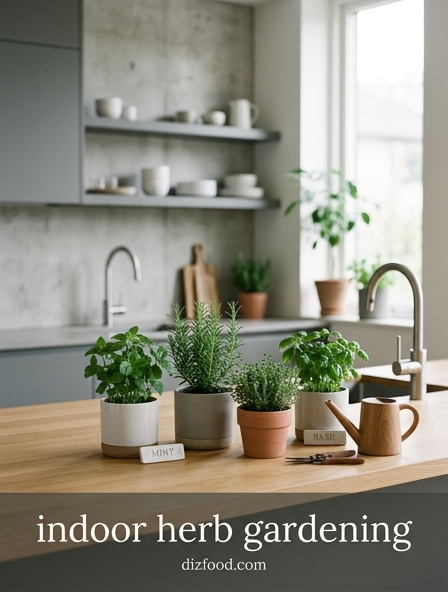
Essential Indoor Herb Varieties
Selecting the right herb varieties is the foundation of a successful indoor kitchen garden. While many plants thrive outdoors, certain species are particularly well-suited to the controlled environments of a windowsill or countertop. Soft herbs like basil and cilantro are popular choices due to their rapid growth cycles and high utility in diverse cuisines. Mediterranean woody herbs such as rosemary and thyme also adapt well, provided they receive sufficient light and well-draining soil. These plants not only provide fresh flavors but also introduce varied textures and shades of green into the culinary workspace.
- Genovese Basil: Thrives in warmth and bright light, perfect for pesto and sauces.
- English Mint: Vigorous grower that prefers slightly damp soil and indirect light.
- Chives: Extremely resilient and offers a mild onion flavor that complements eggs and potatoes.
- Flat-Leaf Parsley: A versatile staple that handles cooler indoor temperatures with ease.
- Greek Oregano: A compact grower that packs intense flavor into small, savory leaves.
When starting your collection, consider the specific light levels available in your kitchen. South-facing windows are ideal for sun-loving herbs, while mint and chives can tolerate the more filtered light found in east or west-facing locations. By curating a selection based on both culinary needs and environmental conditions, you ensure a continuous harvest throughout the year.
Maximizing Culinary Efficiency Daily
The strategic placement of an indoor herb garden significantly impacts daily culinary efficiency. By positioning live plants within arm's reach of the primary food preparation area, cooks eliminate the need to rummage through the refrigerator for wilting store-bought bundles. This immediate access encourages the spontaneous use of fresh aromatics, elevating the complexity of simple weekday meals. The workflow becomes a seamless transition from harvesting to chopping, ensuring that the volatile oils and fragrances of the herbs are at their peak when they hit the pan or the plate.
Beyond the convenience of proximity, maintaining a living supply reduces the mental load of grocery planning. There is no longer a concern about whether a specific herb is in stock or if it has spoiled in the vegetable crisper. This reliability allows for a more fluid cooking style, where recipes can be adjusted on the fly based on what is growing vigorously. Integrating these plants into the kitchen design transforms the space from a mere utility room into a functional production zone where fresh ingredients are always ready for use, ultimately saving time and reducing food waste during the busiest hours of the day.
Herbs as Conversational Kitchen Decor
Indoor herb gardens serve as a living design element that bridges the gap between functionality and aesthetic appeal. The lush greenery of a well-maintained herb wall or a series of coordinated terracotta pots adds a layer of organic warmth to modern kitchen finishes like stainless steel or quartz. Unlike static decor, herbs provide a sensory experience that changes throughout the day, releasing subtle fragrances whenever a breeze passes through the window or a leaf is brushed. This dynamic quality makes them a natural focal point for guests, often sparking curiosity about gardening techniques or specific recipes.
The visual variety found in herb foliage-ranging from the delicate, feathery fronds of dill to the architectural, needle-like leaves of rosemary-allows homeowners to customize their kitchen's look. Using tiered shelving or magnetic wall planters can turn a blank wall into a vertical garden that doubles as a piece of art. Because these plants are edible, they possess an inherent authenticity that synthetic decorations lack. This connection to nature within the home creates a tranquil atmosphere, making the kitchen a more inviting space for both solitary morning coffees and lively evening gatherings with friends and family.
Fresh Garnishes for Guest Entertaining
When entertaining guests, the finishing touches on a dish often make the most lasting impression. Having a thriving indoor herb garden allows hosts to provide professional-level garnishes that are harvested seconds before serving. The vibrant colors and crisp textures of freshly plucked leaves offer a visual contrast that elevates home-cooked meals to a restaurant-quality presentation. Whether it is a sprig of mint in a cocktail or a delicate dusting of finely minced chives over a seasonal soup, the presence of fresh herbs signals a high level of care and attention to detail in the hospitality provided.
- Cocktails and Mocktails: Use fresh mint, basil, or rosemary to infuse syrups or garnish glass rims.
- Platter Presentation: Lay whole branches of rosemary or sage beneath roasted meats for an aromatic bed.
- Dessert Enhancement: Add a single small leaf of lemon balm or mint to fruit tarts and sorbets for a pop of color.
- Interactive Dining: Place small pots of herbs on the dining table, allowing guests to harvest their own toppings for tacos or pasta.
This approach not only improves the flavor profile of the menu but also serves as an engaging experience for visitors. Guests often appreciate the transparency of seeing exactly where their food components originated, fostering a deeper connection to the meal and the host's culinary philosophy.
Smart Layouts for Indoor Gardening
Optimizing the layout of an indoor herb garden requires a balance between plant health and kitchen ergonomics. The most effective setups take advantage of underutilized spaces while ensuring each species receives its required light and humidity. Vertical arrangements are particularly effective for smaller kitchens, as they maximize the use of wall space without encroaching on valuable countertop real estate. Conversely, deep windowsills offer a classic location that provides direct sunlight and natural ventilation, which are critical for many sun-loving Mediterranean varieties.
| Layout Type | Best For | Primary Benefit |
|---|---|---|
| Vertical Wall Planters | Small kitchens | Saves counter space and creates a visual focal point. |
| Windowsill Troughs | Sun-loving herbs | Provides maximum natural light and easy drainage access. |
| Hanging Macramé | Trailing herbs like mint | Utilizes ceiling space and keeps plants away from pets. |
| Smart Hydroponic Kits | Low-light environments | Automated lighting and watering for high-tech kitchens. |
When planning your layout, consider the "work triangle" of your kitchen. Placing high-use herbs between the sink and the stove ensures they are accessible during both the prep and cooking phases. Additionally, grouping plants with similar water needs together simplifies maintenance and prevents the accidental overwatering of drought-tolerant species like rosemary.
Flavor Profiles of Homegrown Herbs
The primary advantage of growing herbs indoors is the superior flavor profile compared to dried or store-bought alternatives. Fresh herbs contain a high concentration of essential oils that begin to degrade the moment a leaf is detached from the stem. By harvesting in real-time, you capture these volatile compounds at their peak, resulting in a more nuanced and intense taste. For example, homegrown basil offers a peppery, clove-like sweetness that is often lost in refrigerated plastic packaging. Similarly, fresh thyme provides a bright, lemony earthiness that can transform a standard stew into something truly exceptional.
Homegrown herbs also allow for the exploration of unique varieties that are rarely found in commercial markets. Gardeners can choose to grow Thai basil for its anise notes, chocolate mint for desserts, or lemon thyme for seafood dishes. This diversity encourages culinary experimentation and helps cooks develop a more sophisticated palate. Because the conditions of an indoor garden are controlled, the flavors remain consistent throughout the year, providing a reliable foundation for mastering complex recipes. The difference is not just in the intensity of the flavor, but in the freshness and "green" notes that add a vital dimension to every dish.
Boosting Seasonal Cooking Workflow
An indoor herb garden acts as a bridge between the seasons, allowing for a consistent culinary workflow even when the outdoor weather is unfavorable. During winter months, when fresh produce options are limited, a vibrant indoor garden provides the bright, fresh notes necessary to lighten heavy comfort foods. This year-round availability means that your cooking style does not have to be restricted by the calendar. You can maintain a "summer" flavor profile with fresh pesto in January or use hardy rosemary for autumn roasts without needing to rely on dried substitutes that lack vibrancy.
Integrating indoor gardening into your seasonal workflow also involves rotating your crops to match your appetite. While some herbs like parsley are used year-round, you might emphasize mint and cilantro during the spring for salads, or transition to sage and oregano during the colder months for savory bakes. This adaptability ensures that your kitchen remains a dynamic environment that responds to your changing nutritional needs. By managing a small indoor ecosystem, you maintain a rhythm of growth and harvest that keeps your cooking inspired and your ingredients consistently high-quality, regardless of the temperature outside.
Creating a Vibrant Social Kitchen
The kitchen is often considered the heart of the home, and the addition of living herbs enhances its role as a social hub. There is a communal quality to gardening that naturally draws people in. When friends gather in the kitchen while a meal is being prepared, the herb garden provides an interactive element. Guests might be invited to snip a few leaves of basil for a salad or smell the different varieties of sage. This interaction breaks down the barriers between the host and the guests, turning food preparation into a shared activity rather than a solitary chore.
Furthermore, the presence of thriving plants creates a more comfortable and lively atmosphere. Herbs contribute to better air quality and introduce a touch of the outdoors, which can make the indoor environment feel more expansive and energized. This vibrancy is infectious, often leading to longer conversations and a more relaxed dining experience. In a social kitchen, the herb garden is not just a source of food; it is a living backdrop that fosters connection, education, and shared sensory pleasure, making every gathering feel more grounded and authentic.
Sustainable Habits for Modern Cooks
Cultivating an indoor herb garden is a significant step toward a more sustainable lifestyle. It directly addresses the issue of food waste, as many consumers only use a fraction of the herbs they buy in plastic clamshells before the rest spoils. By growing your own, you harvest only what is needed, leaving the rest of the plant to continue growing. This practice also eliminates the carbon footprint associated with transporting fresh herbs over long distances and reduces the amount of single-use plastic entering landfills. For the modern cook, these small changes contribute to a more mindful approach to consumption.
- Composting Scraps: Use kitchen trimmings to create nutrient-rich soil for your herb pots.
- Water Conservation: Reuse water from boiling vegetables (once cooled) to hydrate your herbs.
- Plastic Reduction: Eliminate the need for store-bought herb packaging and refrigerated storage.
- Organic Control: Ensure your food is free from pesticides by managing your own growing environment.
Adopting these habits fosters a deeper appreciation for the food cycle. When you participate in the growth of your ingredients, you become more conscious of the resources required to produce them, leading to a more intentional and eco-friendly kitchen culture.
Maintaining Your Indoor Herb Supply
Consistency is the secret to a long-lasting and productive indoor herb garden. Unlike outdoor plants that are subject to the whims of nature, indoor herbs rely entirely on the gardener for their survival. Proper maintenance starts with understanding the specific needs of each plant, particularly regarding drainage and light. Most herbs dislike "wet feet," so using pots with drainage holes and a light, airy potting mix is essential. Regular pruning is also vital; pinching off the tops of plants like basil encourages them to grow bushier rather than tall and leggy, which increases your overall yield over time.
Monitoring for indoor pests, such as fungus gnats or spider mites, is another crucial aspect of maintenance. Since these plants are kept in a food preparation area, it is important to use natural pest control methods like neem oil or simply washing the leaves with a gentle spray of water. Rotating the pots every few days ensures that all sides of the plant receive equal light exposure, preventing lopsided growth. By dedicating just a few minutes each day to checking soil moisture and plant health, you can maintain a lush, bountiful supply of herbs that will serve your kitchen for many months.




Comments