
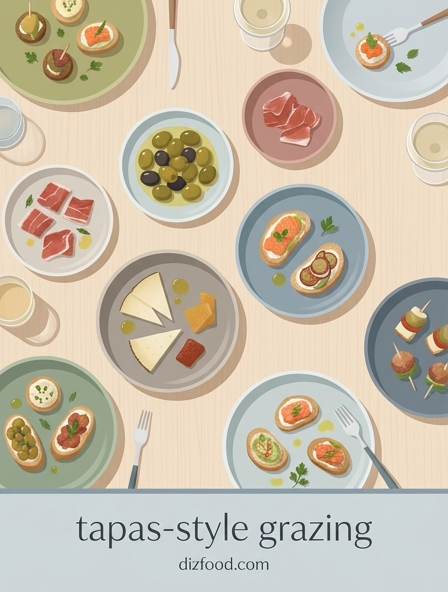
The Art of Tapas Style Socializing
Tapas-style socializing is more than just a meal; it is a philosophy that prioritizes connection and variety over formal dining structures. Originating from the Spanish tradition of serving small bites alongside drinks, this style of grazing encourages guests to linger, converse, and explore a wide spectrum of flavors. Unlike traditional three-course meals, tapas remove the pressure of a timed service, allowing the evening to evolve naturally. This approach transforms the kitchen from a utilitarian workspace into a vibrant hub of activity.
To master this art, the host must embrace a relaxed mindset. The goal is to facilitate a continuous flow of food and conversation. Because the portions are small, guests feel liberated to try new ingredients or combinations they might otherwise avoid. This culinary curiosity often serves as a natural icebreaker, fostering a communal atmosphere where everyone shares from the same platters. Ultimately, tapas-style entertaining celebrates the joy of the present moment, making every guest feel involved in the rhythmic dance of the kitchen.
Designing Your Kitchen for Flow
Creating a successful grazing environment requires a strategic layout that prevents bottlenecks while keeping the energy high. The kitchen should be divided into distinct zones to manage movement. A well-designed floor plan ensures that guests can access food without obstructing the host's prep area. Consider these key spatial considerations:
- The Landing Zone: A designated area near the entrance for coats and initial drinks.
- The Peripheral Buffet: Using island perimeters or sideboards to spread out food stations.
- The Beverage Hub: Keeping glassware and ice away from the main food prep to distribute traffic.
- The Clearing Station: A discreet corner for used napkins and small plates to keep surfaces tidy.
By utilizing vertical space and clear pathways, you invite guests to circulate. Moving the chairs away from the main island can encourage standing and mingling, which is essential for the tapas experience. When the kitchen is organized for flow, the transition from one small plate to the next feels seamless and intentional.
Curating a Diverse Small Plate Menu
A balanced tapas menu relies on a harmony of temperatures, textures, and dietary profiles. The objective is to provide a curated selection that satisfies various palates without overwhelming the palate. A mix of protein-heavy dishes, vibrant vegetables, and starchy fillers ensures that everyone finds something to enjoy. When planning your menu, consider the following categories to ensure a well-rounded spread:
| Category | Example Dish | Preparation Style |
|---|---|---|
| Cold/Room Temp | Marinated Olives & Manchego | No-cook / Assembly |
| Fried/Crispy | Croquetas de Jamón | Stovetop / Deep Fry |
| Grilled/Roasted | Gambas al Ajillo | Quick Sauté |
| Vegetarian | Patatas Bravas | Bake and Sauce |
Aim for six to eight distinct dishes for a medium-sized gathering. This variety allows you to showcase different culinary techniques while ensuring that if one dish runs out, several others are ready to take its place. Focus on seasonal ingredients to maximize flavor impact with minimal seasoning.
Setting Up Interactive Food Stations
Interactive stations add a layer of entertainment to the evening, turning guests into active participants in their meal. Rather than serving everything pre-assembled, leave certain elements for guests to customize. This not only reduces the host's workload during the event but also caters to individual preferences. To set up an effective station, follow these steps:
- Choose a Base: Select a versatile foundation like toasted crostini, corn tortillas, or endive leaves.
- Provide Aromatics: Offer bowls of fresh herbs, citrus wedges, and cracked pepper.
- Layer the Toppings: Arrange proteins, cheeses, and spreads in logical order from left to right.
- Label Everything: Use small cards to identify ingredients, especially for guests with allergies.
A "Build-Your-Own-Bruschetta" bar or a "Deconstructed Skewer" station works exceptionally well. These setups encourage guests to linger in the kitchen, experimenting with flavor combinations and discussing their creations. The tactile nature of assembly bridges the gap between the chef and the diner, making the meal memorable and personalized.
Essential Prep for Stress Free Hosting
The secret to a stress-free tapas night lies in meticulous "mise en place" and a smart cooking schedule. Because tapas involve many small components, the preparation can become chaotic if not managed properly. The goal is to have 80% of the work completed before the first guest arrives, leaving only assembly or quick finishing touches for the party hours. Use this checklist to stay organized:
- D-Minus 2 Days: Shop for all non-perishables and hardy vegetables.
- D-Minus 1 Day: Prepare sauces, marinate meats, and chop garnishes.
- Morning Of: Arrange cheese and charcuterie boards; cover with damp cloths.
- One Hour Before: Set the table, prep the drink station, and preheat the oven.
Prioritize dishes that taste excellent at room temperature, such as Spanish tortillas or roasted peppers. This reduces the need to constantly monitor the stove. By staggering the "hot" items, you can bring out fresh, warm bites every thirty minutes, maintaining interest throughout the night without spending the entire time standing over a hot pan.
Visual Plating for Grazing Boards
We eat with our eyes first, and in a grazing-style kitchen, the visual appeal of the food is paramount. Grazing boards should look abundant and lush, almost like a still-life painting. To achieve this, avoid straight lines and sterile spacing. Instead, think about the "filling the gaps" method to create a sense of plenty. Follow this visual hierarchy for the best results:
- Place Anchor Items: Start with larger bowls of dips or wedges of cheese to create focal points.
- Add Structural Elements: Arrange crackers, breadsticks, or sliced meats in flowing curves around the anchors.
- Fill the Voids: Use small fruits like grapes, berries, or nuts to cover any visible parts of the board.
- Garnish for Color: Add sprigs of rosemary or edible flowers to provide a pop of contrast.
Using boards of varying heights-such as wooden blocks or cake stands-adds dimension to the kitchen counter. This layering technique prevents the spread from looking flat and makes it easier for guests to reach items in the back. A well-plated board becomes a decorative centerpiece of its own.
Drink Pairings for Tapas Menus
The right beverage enhances the salty, savory, and acidic notes typical of tapas. Traditionally, Spanish snacks are paired with drinks that cleanse the palate and refresh the senses. Offering a variety of options ensures that the beverage program is as inclusive and exciting as the food menu. When selecting your pairings, consider the intensity of the dishes served.
| Drink Type | Tapas Pairing | Why it Works |
|---|---|---|
| Dry Sherry | Fried Seafood / Olives | Cuts through salt and oil. |
| Red Rioja | Chorizo / Grilled Meats | Tannins balance smoky fats. |
| Sparkling Cava | Creamy Cheeses | Bubbles lift heavy textures. |
| Agua de Valencia | Spicy Peppers | Citrus soothes the heat. |
For a non-alcoholic option, a sparkling botanical tonic with rosemary and grapefruit mirrors the complexity of a cocktail. Always keep plenty of chilled water available, as tapas are notoriously salty. Presenting drinks in carafes or self-serve dispensers allows the host to stay focused on the kitchen activity rather than playing bartender all night.
Encouraging Guest Interaction Through Food
Tapas are inherently social because they demand sharing. To further encourage interaction, use the food as a catalyst for conversation. Small plates allow guests to compare notes on flavors, which naturally leads to deeper discussions. You can facilitate this by introducing a "storytelling" element to your menu, perhaps highlighting the origin of a specific cheese or a family recipe for a sauce.
- The Mystery Plate: Introduce one dish with a unique ingredient and ask guests to guess what it is.
- Communal Dipping: Serve large bowls of fondue or romesco to encourage people to gather around one spot.
- The Traveling Platter: Occasionally pass a single hot dish around the room to break up stationary groups.
The informal nature of the kitchen setting breaks down social barriers. When guests see the host finishing a dish, it invites questions and culinary curiosity. By keeping the portions small and the variety high, you create a dynamic environment where the food is both the sustenance and the entertainment, ensuring a lively and connected atmosphere throughout the evening.
Kitchen Tools for Bite Sized Prep
Preparing a multitude of small bites requires a specific set of tools designed for precision and efficiency. Standard kitchen equipment can often be too cumbersome for the delicate nature of tapas. Investing in a few specialized items will significantly speed up your prep time and improve the consistency of your presentation. Consider incorporating these essentials into your kitchen arsenal:
- Mandoline Slicer: Essential for achieving paper-thin slices of radish, potato, or cucumber for garnishes.
- Offset Spatula: Provides the control needed to spread pates or creams onto tiny crackers without a mess.
- Ramekins and Mini Cocottes: Perfect for individual portions of baked eggs or warm dips.
- Bamboo Skewers and Decorative Picks: The ultimate tool for assembly and mess-free grazing.
Small-scale tools allow for faster handling of ingredients and more intricate plating. A sharp paring knife is also vital for the detailed trimming required for bite-sized portions. When you have the right equipment, the process of making twenty individual appetizers becomes a rhythmic and enjoyable task rather than a tedious chore.
Ending the Night with Ease
The conclusion of a tapas evening should be as relaxed as its beginning. Because the meal is spread over several hours, the cleanup shouldn't descend on the host all at once. The key to a smooth exit is a combination of disposables and a "clean as you go" mentality. Transitioning from savory to sweet can signal the natural end of the event without the need for a formal announcement. Consider this closing routine:
- Phase Out the Heavy Dishes: Slowly remove empty savory platters and replace them with dessert bites.
- Switch the Soundtrack: Lower the tempo of the music to suggest a wind-down period.
- Serve a Final Sip: Offer a small glass of dessert wine or espresso to accompany the sweets.
- Utilize Compostables: Using high-quality bamboo plates can eliminate a mountain of dishwashing.
By serving small, pre-portioned desserts-like chocolate truffles or mini churros-you maintain the tapas theme until the very last bite. This ensures that the night ends on a high note, leaving both the host and the guests feeling satisfied rather than exhausted by the demands of the kitchen.

Comments