
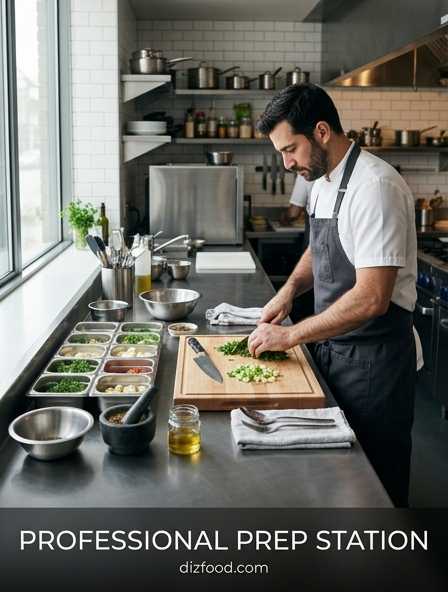
The Heart of the Home as a High Performance Hub
The modern kitchen has evolved from a mere utility room into a sophisticated high-performance hub that mirrors the efficiency of a professional galley. Transforming this space requires a shift in mindset, treating the prep station as the command center of the culinary environment. By integrating commercial-grade materials and ergonomic layouts, the home cook can achieve a level of precision previously reserved for Michelin-starred establishments. The focus is on minimizing unnecessary movement and maximizing output through strategic placement of essential tools and ingredients.
To establish a truly high-performance hub, one must consider the following foundational elements:
- Non-porous, heat-resistant work surfaces like stainless steel or quartz.
- Task-specific lighting that eliminates shadows over chopping areas.
- Proximity to high-output water sources and waste disposal systems.
- Integrated technological solutions for recipe management and timing.
When these components harmonize, the kitchen transcends its domestic roots. The resulting environment fosters creativity by removing the friction often associated with complex meal preparation, allowing the chef to focus entirely on the artistry of the dish while maintaining a professional pace.
Engineering the Perfect Professional Prep Station
Engineering a professional prep station involves a meticulous analysis of ergonomics and physical reach. In a professional setting, every second counts, and the distance between the cutting board and the waste bin can dictate the flow of an entire service. For the home enthusiast, this means designing a "pivot point" where the majority of tasks-slicing, dicing, and seasoning-can occur without taking more than a single step in any direction. The height of the counter is equally critical, as it must support long periods of standing without causing strain.
Standard engineering specifications for a pro-level station include:
- Countertop height calibrated to the user's elbow height for ergonomic knife work.
- Dedicated "wet" and "dry" zones to prevent cross-contamination and clutter.
- Under-counter refrigeration for immediate access to perishable proteins.
- Deep-well sinks with commercial sprayers for rapid cleaning of produce.
By treating the prep station as a piece of industrial machinery, you ensure that the physical environment supports the culinary process. This architectural approach reduces fatigue and enhances the precision of every cut, leading to more consistent results across all cooking techniques.
Multitasking Mastery for the Modern Home Chef
Mastering the art of multitasking in a professional-grade kitchen requires more than just speed; it requires a systematic approach to "mise en place." A well-designed prep station allows the chef to manage multiple components of a meal simultaneously by providing clear visual lanes and accessible storage. When every tool has a designated home, the mental load of searching for equipment is eliminated, freeing up cognitive space to monitor simmering sauces or searing meats. This mastery is achieved through the use of modular storage and tiered organizational systems.
| Task Type | Required Infrastructure | Efficiency Benefit |
|---|---|---|
| Vegetable Prep | Large butcher block & scrap chute | Reduced cleanup time |
| Protein Fabrication | Non-slip surfaces & sanitizing station | Enhanced food safety |
| Assembly | Refrigerated rail or garnish bins | Faster plating and service |
By categorizing tasks into these specific physical zones, the modern home chef can orchestrate complex, multi-course dinners with the calm composure of a seasoned executive chef. The prep station becomes an extension of the cook's intent, facilitating a seamless transition between various stages of food production.
Social Cooking Made Simple with Smart Layouts
The traditional "closed" kitchen is a relic of the past. Modern culinary design emphasizes social interaction, allowing the chef to remain part of the conversation while executing complex prep tasks. Smart layouts achieve this by utilizing an open-concept island that serves as both a professional workstation and a social threshold. By positioning the primary prep station to face the living or dining area, the barriers between the host and the guests are removed. This layout requires a careful balance of aesthetics and functionality to ensure the workspace remains inviting.
Effective social layouts often incorporate these key features:
- Raised "bar" counters that hide the utilitarian mess of prep work.
- Integrated induction hobs on the island for interactive cooking demos.
- Strategic acoustic treatments to dampen the sound of appliances and knife work.
- Recessed spice racks and tool wells to keep the sightlines clear.
When the prep station is designed with a social lens, cooking becomes a form of performance art. Guests can observe the precision of the work, and the chef can engage with their company, making the act of meal preparation an inclusive and entertaining experience for everyone involved.
Streamlining Workflow in Your Culinary Sanctuary
Streamlining the workflow within a culinary sanctuary is a matter of optimizing the "work triangle"-the path between the refrigerator, the prep station, and the range. However, a professional-grade kitchen expands this concept into "zones" to prevent bottlenecks. The prep zone is the most vital, acting as the transition point where raw ingredients are transformed into ready-to-cook components. A streamlined workflow ensures that materials move in a linear fashion, from storage to washing, then to cutting, and finally to the heat source, without backtracking.
To optimize this flow, consider the following chronological steps:
- Unloading and cold storage near the primary entry point.
- Hydration and washing station equipped with colander inserts.
- The main prep surface featuring integrated magnetic knife strips.
- Staging area for prepared items awaiting their turn on the stove.
- Waste management integrated directly into the countertop for instant disposal.
This linear progression reduces the physical toll on the cook and minimizes the risk of spills or accidents. By treating the kitchen as a production line, the home chef can achieve a state of "flow" where the environment intuitively supports every movement, making even the most complex recipes feel manageable and rewarding.
The Intersection of Professional Efficiency and Entertaining
Bridging the gap between professional-grade efficiency and the demands of home entertaining is a delicate design challenge. A true pro-style prep station must be robust enough to handle heavy-duty tasks while remaining elegant enough for a high-end residential setting. This intersection is found in the use of high-quality materials like integrated stone sinks and concealed cabinetry. The goal is to provide the chef with every necessary tool while maintaining a clutter-free environment that does not overwhelm the social atmosphere of the home.
Key elements that define this intersection include:
- Pop-up electrical outlets that disappear when not in use.
- Quiet-close cabinetry and sound-dampened dishwashers.
- Dual-purpose surfaces that transition from prep blocks to serving buffets.
- Atmospheric lighting that can shift from task-oriented to ambient.
By focusing on these versatile features, the kitchen functions as a high-output laboratory during the day and a sophisticated lounge in the evening. This versatility is the hallmark of a modern luxury kitchen, providing the tools for culinary excellence without sacrificing the warmth and hospitality required for successful entertaining.
Optimizing Space for Seamless Guest Interaction
Optimizing a prep station for guest interaction requires a thoughtful approach to spatial geometry. The chef needs enough "elbow room" to work safely with sharp knives and hot liquids, while guests need a comfortable place to sit or stand that doesn't interfere with the culinary workflow. The "overhang" on a kitchen island is a classic solution, providing a natural boundary. Furthermore, the placement of the sink and the prep area should allow the chef to maintain eye contact with guests, rather than having their back turned to the room.
| Design Feature | Function for Chef | Benefit for Guest |
|---|---|---|
| Dual-Level Island | Defined workspace | Comfortable armrest |
| Perimeter Prep | Backup space for large tasks | Unobstructed view of the kitchen |
| Integrated Beverage Center | Separates drink prep from food prep | Self-service accessibility |
When space is optimized correctly, the kitchen becomes a stage. The chef can perform their craft with precision while remaining the life of the party, ensuring that the preparation of the meal is just as memorable and engaging as the final dining experience itself.
Advanced Tools for High Speed Culinary Preparation
In a professional kitchen, time is the most valuable commodity, and high-speed tools are the key to saving it. Integrating these professional implements into a home prep station can drastically reduce the time spent on repetitive tasks. From high-torque blenders to commercial mandolines, the right equipment allows for a level of consistency that is difficult to achieve by hand. However, these tools require specific storage and power considerations to be truly effective within the prep zone.
Essential high-speed tools for the professional home station include:
- Professional immersion blenders for rapid emulsification and pureeing.
- Vacuum sealers for sous-vide preparation and long-term storage.
- Electric grain mills or spice grinders for fresh-ground aromatics.
- Commercial-grade food processors with varied slicing discs.
- Precision scales for exact measurement of ingredients by weight.
The presence of these tools transforms the prep station into a laboratory of efficiency. By automating the more labor-intensive aspects of cooking, the chef is able to devote more time to flavor development and creative plating, ensuring a superior end product in a fraction of the time.
Designing an Integrated Social Prep Environment
An integrated social prep environment is designed to accommodate multiple cooks and observers simultaneously. This requires a departure from the "one-chef" mentality, instead focusing on shared workstations and wide thoroughfares. In this setup, the prep station is often doubled, with two distinct areas for cleaning and chopping. This allows for collaborative cooking, where a host and a guest-or two partners-can work side-by-side without clashing. Such environments are ideal for families or those who frequently host interactive dinner parties.
To design such a collaborative space, consider these additions:
- Trough sinks that span several feet to allow two people to wash produce.
- Double-sided islands that offer prep surfaces accessible from both sides.
- Redundant sets of essential tools, such as utility knives and cutting boards.
- Smart displays that can be seen from multiple angles for shared recipe following.
By fostering a communal atmosphere, the kitchen becomes a place of shared labor and shared joy. The integrated environment breaks down the hierarchy of the kitchen, making the process of creating a meal a collective endeavor that strengthens social bonds and creates lasting memories.
Elevating Every Meal with Pro Level Organization
The difference between a chaotic kitchen and a professional one is organization. Elevating your culinary output starts with the "system" behind the scenes. This means implementing a "First-In, First-Out" (FIFO) inventory system and utilizing clear, labeled containers for all dry goods and prepared components. When the prep station is organized with pro-level rigor, the chef knows exactly how much of an ingredient is on hand and where to find it. This level of clarity reduces stress and prevents the "mid-recipe panic" that often occurs in disorganized spaces.
Pro-level organization is typically maintained through:
- Uniform storage containers that stack efficiently to maximize vertical space.
- Color-coded cutting boards to prevent cross-contamination across food groups.
- Drawer inserts customized for specific culinary gadgets and hand tools.
- Dedicated "prep bins" for pre-portioned ingredients ready for the stove.
Ultimately, a professional prep station is more than just a counter; it is a philosophy of readiness. By organizing the kitchen with this level of detail, every meal is approached with confidence. The chef is empowered to execute recipes with precision, resulting in dishes that look and taste as though they were prepared in a high-end restaurant.


Comments