
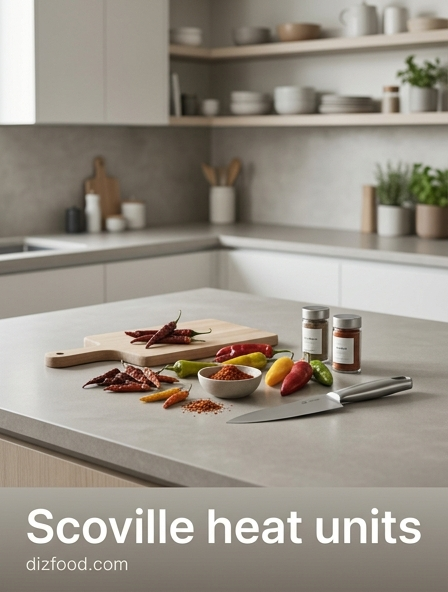
Defining Scoville Heat Units
The Scoville Heat Unit (SHU) is the universal metric used to quantify the pungency or "heat" of chili peppers and other spicy substances. Developed in 1912 by pharmacist Wilbur Scoville, the original method was known as the Scoville Organoleptic Test. This process involved diluting an alcohol-based extract of a pepper in sugar water until a panel of five trained tasters could no longer detect any heat. For example, if a pepper has a rating of 5,000 SHU, its oil had to be diluted 5,000 times before the burning sensation vanished.
While the traditional method relied on subjective human perception, modern food science has largely transitioned to High-Performance Liquid Chromatography (HPLC). This sophisticated technique measures the precise concentration of capsaicinoids in a sample, which is then converted back into the familiar Scoville scale. Despite the technological shift, the Scoville unit remains the most recognizable standard in the culinary world, allowing chefs and home cooks to gauge the intensity of ingredients before they reach the plate.
Science of Spicy Sensations
The fiery sensation we experience when eating spicy food is not a flavor, but a chemical reaction involving the compound capsaicin. This hydrophobic molecule binds to the TRPV1 receptors located on the tongue and throughout the digestive tract. These receptors are specifically designed to detect physical heat and warn the brain of potential tissue damage. When capsaicin docks with these receptors, it sends a signal to the brain that the mouth is literally on fire, even though no actual thermal burn is occurring.
In response to this perceived threat, the body initiates several biological defenses:
- Vasodilation, causing the face to flush and turn red.
- Activation of sweat glands to cool the body down.
- Production of mucus in the nose and throat to flush out irritants.
- Release of endorphins and dopamine to counteract the pain.
This "pepper high" is why many enthusiasts seek out increasingly spicy dishes, as the brain rewards the body for surviving the intense, simulated pain of the capsaicin molecule.
Ranking Common Kitchen Peppers
Navigating the wide variety of peppers available in modern grocery stores requires an understanding of where they sit on the heat spectrum. From the mild bell pepper to the record-breaking super-hots, the disparity in capsaicin concentration is staggering. Knowing these values helps in balancing flavors and preventing a dish from becoming inedible for guests with lower tolerances.
| Pepper Variety | Scoville Heat Units (SHU) | Culinary Profile |
|---|---|---|
| Bell Pepper | 0 | Sweet, crunchy, zero heat. |
| Poblano | 1,000 - 1,500 | Mild, earthy, great for stuffing. |
| Jalapeño | 2,500 - 8,000 | The standard for moderate heat. |
| Serrano | 10,000 - 23,000 | Bright, crisp, and noticeably hotter. |
| Habanero | 100,000 - 350,000 | Fruit-forward with intense heat. |
| Carolina Reaper | 1,500,000 - 2,200,000+ | Extreme heat for challenges only. |
Evolution of Tasting Challenges
Spicy food has evolved from a culinary preference into a global cultural phenomenon, largely driven by the rise of social media and viral "pepper challenges." What began as niche competitions at local chili festivals has transformed into high-production entertainment. The most notable example is the digital series "Hot Ones," where celebrities are interviewed while consuming increasingly spicy chicken wings. This exposure has introduced the concept of Scoville units to a mainstream audience that previously only associated "spicy" with generic red pepper flakes.
This evolution has significantly impacted the agricultural industry. Pepper breeders are now in a literal arms race to create the world's hottest pepper, cross-breeding varieties to push the boundaries of the Scoville scale. For many, these challenges are a rite of passage, testing their physical and mental limits. However, this trend also demands caution, as the extreme concentration of capsaicin in "super-hot" peppers can lead to genuine physiological distress if not approached with respect and proper preparation.
Preparing Your Social Space
Hosting a spicy tasting event or a hot sauce challenge requires more than just a collection of condiments; it requires a safe and controlled environment. When capsaicin is involved, the risk of accidental exposure to eyes or sensitive skin is high. Organizers should ensure that the "social space" is equipped with the necessary tools to handle the heat. This includes providing adequate ventilation, as the fumes from cooking high-SHU sauces can become an airborne irritant that causes coughing and respiratory discomfort.
To ensure a positive experience for all participants, consider the following setup requirements:
- Dedicated "recovery stations" with plenty of paper towels and tissues.
- Individual servings of neutralizing agents like whole milk or yogurt.
- Disposable gloves for anyone handling the actual peppers or sauce bottles.
- A clear "mercy" rule allowing participants to bow out without social pressure.
By prioritizing safety and recovery, the focus remains on the fun of the flavor exploration rather than the physical agony of the experience.
Physiological Response to Heat
When you consume a pepper high on the Scoville scale, your body enters a state of high alert. The primary response is thermoregulation. Because the brain perceives a rise in temperature, it triggers the sweat glands to produce moisture, which cools the skin through evaporation. This is often accompanied by a rapid heartbeat and an increase in metabolic rate. Many people also experience "rhinorrhea," which is the medical term for a runny nose, as the body attempts to expel the irritants from the respiratory system.
In more extreme cases, the digestive system may react aggressively. Capsaicin can irritate the lining of the stomach and intestines, leading to rapid contractions as the body attempts to move the irritant through the system as quickly as possible. This is why many "chiliheads" experience abdominal cramps after a high-heat challenge. Understanding these responses is vital; it helps participants realize that while the pain feels like a medical emergency, it is usually a standard, albeit uncomfortable, biological reaction to a chemical stimulant.
Neutralizing Intense Pepper Burn
When the heat becomes unbearable, reaching for a glass of water is a common but detrimental mistake. Capsaicin is a non-polar, oil-based molecule, meaning it does not dissolve in water. Drinking water effectively spreads the capsaicin oil around the mouth, making the burning sensation more widespread. To truly neutralize the burn, one must look to the chemistry of the ingredients. The most effective antidote is dairy, specifically products containing a protein called casein.
Casein acts like a detergent, breaking the bond between the capsaicin and the pain receptors, allowing the heat to be washed away. To manage an intense burn, keep these items on hand:
- Full-fat milk or heavy cream (casein and fat content are key).
- Sour cream or Greek yogurt to coat the tongue.
- High-fat substances like peanut butter or avocado.
- Starches such as bread or rice to physically absorb the oils.
- Acidic liquids like lemon juice to help neutralize the alkaline capsaicin.
Sourcing Authentic Hot Sauces
As the "craft" movement expands into the world of spicy foods, sourcing high-quality hot sauces has become an art form. While grocery store staples offer consistent vinegar-forward profiles, artisan sauces focus on the nuances of the pepper's flavor. Authentic sauces are often categorized by their base ingredients: some use fermented mashes for a complex tang, while others use fruit bases like mango or pineapple to balance the heat of habaneros. When sourcing, it is essential to read the labels carefully to distinguish between natural heat and pepper extracts.
Extract-based sauces are designed purely for heat and can often have a metallic or bitter aftertaste. In contrast, sauces made from whole peppers maintain the aromatic qualities of the plant. Enthusiasts often source their collections from specialty online retailers, local farmer's markets, or "hot sauce boutiques" that allow for tastings. Building a diverse pantry involves selecting sauces across the Scoville spectrum, ensuring there is a perfect pairing for everything from breakfast eggs to heavy barbecued meats.
Safe Handling and Preparation
Working with high-Scoville peppers in the kitchen requires a level of discipline similar to handling hazardous chemicals. The oils from peppers like the Ghost Pepper or Trinidad Scorpion can linger on surfaces and skin for hours, leading to "cap-eye"-the excruciating experience of touching one's eye after handling peppers. Proper preparation begins with the right equipment and a clear workspace. Ensuring that your kitchen is prepared for the volatility of capsaicin will prevent painful accidents.
Follow these essential safety protocols when preparing spicy ingredients:
- Wear nitrile or latex gloves at all times when cutting peppers.
- Use a dedicated plastic or glass cutting board to avoid staining wood.
- Wash all knives and utensils with grease-cutting dish soap immediately after use.
- Avoid leaning directly over the pan when sautéing peppers to prevent "pepper lung."
- Clean the surrounding stovetop and counters to remove invisible oil splatters.
By maintaining these standards, you can enjoy the culinary benefits of spice without the risk of lingering contamination.
Building a Spicy Community
The world of spicy food is deeply rooted in community and shared experiences. From seed-swapping circles to online forums dedicated to fermentation techniques, "chiliheads" have created a global network of enthusiasts. This community thrives on the exchange of knowledge, whether it is tips for growing the perfect Habanero in a cold climate or sharing recipes for the ultimate fermented hot sauce. Being part of this community offers more than just access to heat; it provides a platform for culinary creativity and mutual support during intense tasting challenges.
Local hot sauce festivals and "expo" events serve as the physical hubs for this culture. These gatherings allow small-batch makers to showcase their products and for fans to meet the creators behind their favorite labels. Many enthusiasts also participate in gardening clubs, focusing on preserving heirloom pepper varieties that are not available in commercial trade. Ultimately, the spicy community is defined by its resilience and passion, proving that the love of heat is a powerful force that brings people of all backgrounds together in the pursuit of the perfect burn.



Comments