
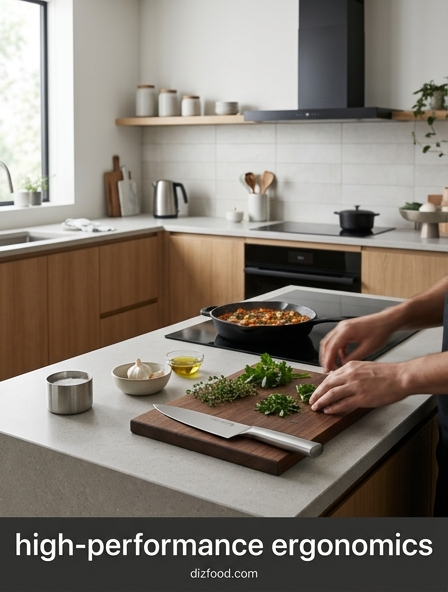
Ergonomic Layouts for Seamless Socializing
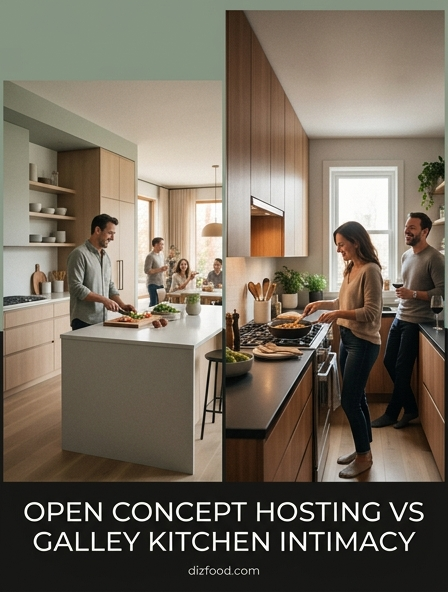
In a high-performance kitchen, the layout serves as the foundation for both culinary precision and social connectivity. Traditional designs often isolated the cook, but modern ergonomic principles prioritize the "social triangle," which links the prep area, the cooking surface, and the guest seating zone. By arranging these elements in an open-concept configuration, the host can maintain continuous eye contact and engagement with visitors without sacrificing efficiency. The goal is to minimize unnecessary pivoting and long-distance travel between appliances, which can disrupt the flow of conversation and increase physical fatigue.
Effective social layouts often incorporate islands or peninsulas that act as a bridge between the functional workspace and the living area. This positioning allows the chef to face the room rather than a wall, fostering an inclusive environment. To ensure these layouts remain high-performing, designers must consider the clearance between work centers and the orientation of primary tasks.
| Layout Type | Ergonomic Benefit for Socializing |
|---|---|
| Island Configuration | Allows 360-degree access and direct facing of guests. |
| U-Shape with Peninsula | Creates a protected "cockpit" for the chef while offering a guest ledge. |
| Galley with Open End | Promotes linear efficiency and easy entry for guests to grab drinks. |
Strategic Prep Zones for Guest Interaction
The preparation zone is where the majority of kitchen time is spent, making its ergonomic placement critical for high-performance hosting. A well-designed prep zone should be located on a surface that faces the social area, typically an island or a return. This placement prevents the "back-to-guest" syndrome, allowing the host to perform complex tasks like dicing or plating while remaining an active participant in the gathering. Ergonomics here focus on the height of the surface and the proximity of essential tools.
To maximize efficiency during events, the prep zone should be self-contained, featuring integrated scrap chutes, nearby knife storage, and easy access to a secondary sink. This reduces the need for the host to move across the kitchen, maintaining a calm and controlled presence. The following elements are essential for a social prep station:
- Dedicated pull-out trash and recycling bins for quick cleanup.
- Integrated cutting boards that sit flush with the countertop.
- Magnetic tool strips or shallow drawers for immediate knife access.
- Small secondary "prep sinks" to prevent crossing paths with the cleaning zone.
Optimizing Flow for High-Performance Hosting
Flow in a high-performance kitchen refers to the unobstructed movement of both the cook and the guests. When hosting, the kitchen must accommodate increased traffic without creating bottlenecks. Ergonomic flow is achieved by defining clear boundaries between the "hot zone" (range and ovens) and the "social zone" (seating and beverage stations). By placing guest-centric items, such as the wine fridge or glassware, on the periphery of the workspace, guests can serve themselves without entering the chef's critical path.
Aisle widths are a major factor in maintaining flow. While standard kitchens use 36-inch aisles, a high-performance entertaining space requires 42 to 48 inches to allow two people to pass comfortably. This extra space reduces the physical stress of constant maneuvering and prevents accidental collisions during high-energy events. Maintaining a logical progression from the refrigerator to the prep area and finally to the serving zone ensures a rhythmic, stress-free hosting experience that feels effortless to the observer.
The Impact of Counter Heights on Engagement
Customizing counter heights is a hallmark of ergonomic design that directly impacts how hosts interact with their guests. Standard 36-inch counters are a general compromise, but high-performance kitchens often utilize varied heights to better suit specific tasks and social needs. For example, a slightly lower surface is ideal for rolling dough or heavy chopping, as it allows the host to use their upper body weight more effectively, reducing wrist and shoulder strain. Conversely, a raised section of the island can act as a natural leaning post for guests.
The relationship between standing work heights and seated guest heights is vital for engagement. When a host is standing and a guest is seated at a standard dining height, the vertical gap can create a psychological barrier. Multi-level counters bridge this gap, bringing the guest closer to the host's eye level. This configuration also serves the practical purpose of hiding the "clutter" of food preparation from the guests' direct line of sight.
| Surface Height | Primary Ergonomic Purpose |
|---|---|
| 30 - 32 Inches | Baking and heavy kneading (reduces shoulder tension). |
| 36 Inches | General preparation and assembly. |
| 42 Inches | Bar seating and guest interaction zone. |
Motion Efficiency in the Entertaining Kitchen
Motion efficiency is the art of reducing the physical labor required to produce a meal. In an entertaining context, unnecessary steps and reaching not only cause physical fatigue but also pull the host away from their guests. High-performance ergonomics utilizes "point-of-use" storage, ensuring that every tool required for a task is located within the "strike zone"-the area between the user's shoulders and hips. This minimizes bending and stretching, which are the primary causes of back strain during long periods of cooking.
To achieve peak motion efficiency, the kitchen should be organized into functional clusters. For example, a beverage cluster would house the coffee maker, mugs, spoons, and sugar in one vertical column. This allows the host to complete a full cycle of service without moving more than a step or two. By applying these principles, the chef maintains a poised and fluid presence, making the act of hosting look as graceful as it is efficient.
- Map out common tasks to identify redundant movements.
- Install full-extension drawers to bring items to the user.
- Use vertical dividers for platters to avoid heavy lifting and stacking.
- Implement touch-to-open cabinets for hands-free access during messy prep.
Smart Storage for Minimalist Event Prep
A high-performance kitchen must transition seamlessly from a workspace to a social space. This requires smart storage solutions that hide the mechanical nature of cooking while keeping supplies accessible. Ergonomic storage focuses on visibility and reachability. Utilizing pull-out pantries and deep drawers instead of standard base cabinets allows the host to see everything at a glance, eliminating the need to kneel or search in dark corners. This is especially helpful during high-pressure event prep when speed is essential.
Appliance garages and "pocket doors" are excellent examples of ergonomic storage that benefit socializing. They allow heavy mixers and blenders to stay at counter height-reducing lifting strain-while providing a way to hide them instantly when guests arrive. This keeps the aesthetic minimalist and the environment calm. By organizing storage according to frequency of use, with heavy "event-only" platters stored in easy-to-reach but out-of-the-way locations, the kitchen remains a highly organized machine that supports the host's performance.
Reducing Physical Strain During Long Dinners
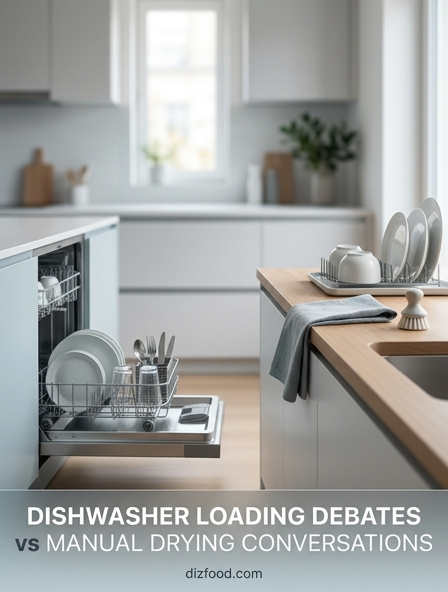
Preparing a multi-course dinner for a large group can be physically taxing, often requiring hours of standing and repetitive motion. High-performance ergonomics mitigates this strain through thoughtful material selection and appliance placement. Anti-fatigue flooring, such as cork or specialized rubber-backed hardwood, provides subtle cushioning that protects the host's joints. Furthermore, the placement of appliances like the dishwasher and oven is critical; elevating a dishwasher by just 6 to 10 inches can significantly reduce the lower back strain associated with constant loading and unloading.
Beyond the floor and appliances, the weight and balance of kitchen tools also play a role. Ergonomic knives with contoured handles and lightweight, high-conductivity cookware reduce the effort required for repetitive tasks. When the physical environment is optimized, the host remains energized throughout the evening, allowing them to focus on their guests rather than their physical discomfort. The following strategies are highly effective for strain reduction:
- Installing toe-kick heaters to keep joints warm in cold climates.
- Using wall-mounted ovens to eliminate deep bending.
- Incorporating pot fillers over the stove to avoid carrying heavy water pots.
- Selecting lever-style faucets for easier operation with messy hands.
Integrating Social Seating into Culinary Workflows
The integration of seating into the kitchen workspace is a delicate ergonomic balance. If guests are too close, they obstruct the chef; if they are too far, the social connection is lost. High-performance design solves this by defining clear "safe zones" for seating. The clearance behind seated guests should be at least 36 inches to allow the host to pass by without twisting or turning. Additionally, the depth of the counter overhang is vital for guest comfort, ensuring they have enough legroom to sit naturally without hunching forward.
Ergonomically sound seating also considers the height relationship between the host and the guest. Maintaining a consistent eye level facilitates better conversation. When the host is standing at a 36-inch counter, a guest on a 24-inch stool is positioned perfectly for face-to-face interaction. This alignment prevents the host from feeling like they are "looking down" on their guests, creating a more egalitarian and comfortable social atmosphere.
| Counter Type | Recommended Overhang | Stool Height |
|---|---|---|
| Dining (30") | 18 Inches | 18 Inches |
| Counter (36") | 15 Inches | 24 Inches |
| Bar (42") | 12 Inches | 30 Inches |
Acoustic Ergonomics for Clear Conversation
While often overlooked, the acoustic environment is a key component of kitchen ergonomics. A high-performance kitchen can be a noisy place, with the sounds of clashing pans, running water, and powerful ventilation systems. If the noise level is too high, conversation becomes strained, forcing the host and guests to raise their voices, which leads to vocal fatigue. Acoustic ergonomics focuses on reducing ambient noise through the selection of "whisper-quiet" appliances and the use of sound-dampening materials.
Modern high-performance range hoods now offer external blowers, which move the motor noise outside the home, leaving the kitchen quiet enough for soft dialogue. Similarly, choosing dishwashers with decibel ratings below 44 dB ensures they can run during dinner without being noticed. Incorporating soft surfaces, such as upholstered stools, acoustic ceiling baffles, or even decorative window treatments, helps absorb sound waves and prevents echoes, creating a sonically comfortable space that encourages long, relaxed conversations.
Lighting Solutions for Task Focus and Hospitality
Ergonomic lighting in a social kitchen must satisfy two conflicting needs: high-intensity focus for safe food preparation and soft, warm levels for a welcoming atmosphere. This is achieved through a layered lighting strategy. Task lighting is the most critical for the chef; it should be positioned directly over work surfaces to eliminate shadows cast by the user's own body. Under-cabinet LEDs are essential here, providing a clear view of sharp knives and delicate ingredients.
For the social aspect, ambient and accent lighting take over. Dimmable pendant lights over the island or dining area allow the host to lower the intensity once the "heavy lifting" of cooking is done, signaling a transition to the meal. High-performance systems often use smart controls to create "scenes," where a single button press adjusts all lights to a pre-set hospitality level. This prevents the host from having to fiddle with multiple switches, keeping their attention on the guests.
- Task: 500-800 lumens for prep areas.
- Ambient: 300-400 lumens for general circulation.
- Accent: Focused beams to highlight architectural features.
- Control: Dimmers on all circuits for maximum flexibility.

Comments