
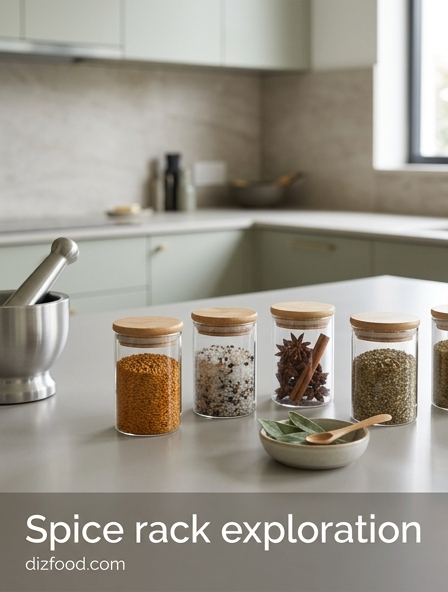
The Spice Rack as a Social Centerpiece
In the modern kitchen, the spice rack has evolved from a hidden storage necessity into a vibrant social centerpiece. It serves as a visual invitation for guests to engage with the culinary process, often sparking curiosity about the origins of various colors and textures. When positioned prominently, a well-curated collection of jars acts as a conversation starter, allowing the host to share personal anecdotes about travels, local markets, or family heritage. This aesthetic display transforms the kitchen into a gallery of global influences, encouraging visitors to lean in, smell the aromas, and participate in the selection of the evening's flavor profile.
- Encourages guests to ask questions about exotic ingredients and their origins.
- Creates a sensory focal point that bridges the gap between cooking and hosting.
- Reflects the host's personality and culinary journey through curated selections.
- Acts as a functional decor element that suggests a passion for artisanal craftsmanship.
Ultimately, the spice rack represents more than just seasoning; it symbolizes a commitment to exploration. By making these ingredients accessible and visible, the host fosters an environment where the act of preparing a meal becomes a shared, transparent experience that values diversity and sensory richness.
Mastering Deep Flavors for Interactive Hosting
Interactive hosting relies on the ability to build complex, resonant flavors that develop over time, keeping guests intrigued throughout the evening. Mastering deep flavors requires an understanding of how heat and time interact with various spices. When hosting, you can involve your guests in the "blooming" process, where whole spices are toasted in fat to release their essential oils. This provides a dramatic olfactory experience that signals the start of a communal meal. As the scents of toasted cumin or mustard seeds fill the room, the kitchen becomes a stage for culinary education and shared anticipation.
- Begin by selecting whole spices to ensure maximum potency and freshness for your guests.
- Incorporate guests by letting them grind toasted seeds using a traditional mortar and pestle.
- Demonstrate the transformation of flavor by tasting the base sauce at various intervals.
- Explain the concept of "fond" and how spices deglaze the pan to create a rich foundation.
By focusing on these deep, foundational layers, you provide more than just a meal; you provide a narrative of transformation. The resulting depth of flavor ensures that the final dish is memorable, leaving a lasting impression on the palate and the social connection established during the cooking process.
Essential Techniques for Layering Culinary Aromatics
Layering aromatics is a fundamental technique that distinguishes a professional-grade dish from a simple home-cooked meal. This process involves introducing spices at strategic intervals to create a multi-dimensional taste profile. Some spices require long, slow cooking to mellow and integrate, while others are delicate and should only be added at the very end to preserve their bright, volatile notes. Understanding this hierarchy allows the cook to build a structure of flavor that unfolds gradually as the meal is consumed, providing a sophisticated experience for everyone at the table.
| Stage of Cooking | Recommended Spices | Technique Objective |
|---|---|---|
| Early Stage | Cinnamon, Star Anise, Peppercorns | Infusing the base oil or fat with deep, woody notes. |
| Middle Stage | Turmeric, Cumin, Ground Coriander | Building the body and color of the sauce or stew. |
| Final Stage | Garam Masala, Dried Herbs, Sumac | Adding brightness, acidity, and aromatic highlights. |
By mastering these intervals, the chef ensures that no single note overpowers the others. Instead, the spices work in harmony, creating a balanced and complex aromatic environment that enhances the overall social atmosphere of the gathering.
Creating Conversation Through Complex Spice Blends
Complex spice blends like Moroccan Ras el Hanout or Japanese Shichimi Togarashi are more than just ingredients; they are cultural stories condensed into powdered form. Offering these blends during a social gathering invites guests to explore different corners of the world through their palate. A host can facilitate a "flavor flight," where guests taste small pinches of different blends and discuss the various components they detect, such as the warmth of nutmeg or the floral notes of dried rose petals. This interactive approach breaks the ice and centers the evening's dialogue around shared discovery and appreciation for global traditions.
- Highlight the "head shopkeeper's" blend to explain the concept of unique house recipes.
- Discuss the balance of sweet, spicy, and earthy elements within a single mixture.
- Use blends as a way to simplify complex recipes while maintaining an air of sophistication.
- Encourage guests to guess the "secret ingredient" in a custom-made house rub.
The beauty of a complex blend lies in its mystery. Because these mixtures can contain upwards of twenty different spices, they provide a rich tapestry of flavor that keeps guests engaged and questioning, ensuring that the meal remains the primary focus of the social interaction.
The Science of Building Depth in Shared Meals
The chemistry of cooking is often what creates the most profound culinary experiences. Building depth in shared meals is a scientific endeavor that involves fat solubility and the Maillard reaction. Many of the most flavorful compounds in spices are not water-soluble; they require fat to carry their essence throughout a dish. When cooking for a group, understanding how to emulsify these flavors ensures that every bite is consistently delicious. Furthermore, the interaction between heat and the natural sugars in spices can create new, savory compounds that add a "meatiness" or umami quality to vegetarian and meat-based dishes alike.
- Utilize high-smoke-point oils to effectively bloom spices without burning them.
- Incorporate acidic components like citrus or vinegar to brighten heavy, oil-based spice layers.
- Understand the role of salt in suppressing bitterness and enhancing the sweetness of spices.
- Balance volatile top notes with stable base notes for a long-lasting flavor finish.
When guests understand the "why" behind the cooking methods, they become more invested in the results. Explaining the science of flavor extraction not only educates your audience but also elevates the perceived value of the meal, turning a simple dinner into a masterclass in culinary physics.
Curating Global Spices for Memorable Gatherings
A curated global spice collection is a testament to a host's curiosity and respect for international cuisines. When preparing for a memorable gathering, the selection of spices should reflect a cohesive theme or a bold fusion of cultures. Sourcing high-quality, single-origin spices can significantly impact the final result, offering nuances that mass-produced versions lack. By presenting these ingredients to guests, perhaps in their raw form before they are incorporated into the meal, you create a tactile and visual connection to distant lands. This level of curation shows a high degree of intentionality and care for the guest experience.
| Region | Signature Spice | Social Pairing Suggestion |
|---|---|---|
| Middle East | Za'atar | Fresh bread and olive oil for communal dipping. |
| South Asia | Green Cardamom | Aromatic teas or rice puddings for post-dinner talk. |
| Latin America | Smoked Paprika | Grilled appetizers with a shared smoky profile. |
A thoughtfully organized spice rack allows for seamless transitions between courses and provides a roadmap for the evening's flavor journey. It transforms the kitchen into a hub of international exploration, where the boundaries of geography are blurred by the shared enjoyment of authentic, vibrant tastes.
Transforming Simple Ingredients with Strategic Seasoning
One of the most impressive feats a host can perform is transforming everyday ingredients into extraordinary dishes using nothing but strategic seasoning. A humble potato, a pot of lentils, or a head of cauliflower can become the star of the show when paired with the right spices. This approach emphasizes the power of the spice rack as a tool for culinary alchemy. By focusing on the potential of simple foods, the cook demonstrates that gourmet experiences are accessible and grounded in technique rather than expensive luxury items. This often puts guests at ease, fostering a relaxed and inclusive atmosphere.
- Use turmeric and black pepper to add vibrant color and earthy depth to plain white rice.
- Toast cumin seeds and toss them with roasted carrots for a sophisticated side dish.
- Apply a heavy crust of cracked peppercorns and coriander to simple seared proteins.
- Infuse honey or maple syrup with chili flakes for a complex, spicy-sweet garnish.
Strategic seasoning is about finding the balance between the ingredient's natural flavor and the spice's enhancement. When done correctly, it highlights the host's skill in editing and refining, proving that a handful of well-chosen spices can outweigh a dozen complex techniques in a social setting.
Social Cooking and the Art of Flavor Exploration
Social cooking turns the kitchen into a laboratory where flavor exploration is a collaborative effort. Instead of the host laboring alone, guests are invited to participate in the "season to taste" phase, which is often the most critical part of the process. This collaborative approach allows for a democratic development of the meal, where individual preferences are discussed and integrated into the final dish. It breaks down the hierarchy of the kitchen and encourages everyone to trust their senses. Experimenting with spice ratios in real-time creates a sense of shared ownership over the meal's success.
- Provide small tasting spoons for everyone to sample the sauce at various stages.
- Ask guests for their input on whether the dish needs more "heat," "warmth," or "brightness."
- Experiment with small side batches to test bold spice combinations before committing.
- Document the successful "accidental" blends created during the evening for future use.
The art of exploration is found in the willingness to take risks. When a group of people collectively decides to add a pinch of saffron or a dash of cloves, the resulting flavor carries the memory of that shared decision, making the meal far more meaningful than any solo endeavor.
Elevating the Kitchen Atmosphere with Fragrant Spices
The atmosphere of a gathering is heavily influenced by the olfactory environment. Spices are nature's most potent aromatics, and using them intentionally can set the mood for the entire evening. The scent of cinnamon and cloves simmering on the stove can create a sense of warmth and nostalgia, while the bright, citrusy aroma of crushed coriander can make a room feel energetic and fresh. By thinking of spices as a form of "culinary incense," a host can design a sensory experience that begins the moment a guest walks through the door, long before the first bite is ever taken.
- Dry-roast whole spices just before guests arrive to fill the air with inviting scents.
- Use aromatic wood spices like cedar or sandalwood in smoking guns for a dramatic effect.
- Incorporate fresh herbs and dried spices into table centerpieces for a functional fragrance.
- Match the evening's beverage selection to the dominant aromatic profiles in the air.
This attention to detail elevates the kitchen from a place of labor to a place of sensory delight. Fragrant spices linger in the memory, associating the joy of the social gathering with specific, pleasant aromas that guests will remember long after the night has concluded.
A Collaborative Guide to Layered Flavor Development
Developing layers of flavor is a journey that is best taken with others. This collaborative guide emphasizes the importance of patience and sensory awareness when building a dish. Each layer-from the initial aromatics to the final garnish-contributes to a cohesive whole that is greater than the sum of its parts. When cooking as a group, assigning specific "flavor roles" can be a fun way to engage everyone. One person might be responsible for the "earthy" base, while another focuses on the "bright" finish. This ensures that every aspect of the palate is considered and that the final meal is perfectly balanced.
| Layer Role | Spices Involved | Social Responsibility |
|---|---|---|
| The Foundation | Onion, Garlic, Ginger, Cumin | Managing the initial sauté and base consistency. |
| The Body | Chili Powders, Turmeric, Paprika | Monitoring color development and heat levels. |
| The Accent | Fresh Herbs, Citrus Zest, Finishing Salts | Applying the final visual and taste flourishes. |
Working together to layer flavors fosters communication and mutual respect for different culinary instincts. It turns the act of seasoning into a shared language, resulting in a meal that is not only delicious but also a true reflection of the collective effort and creativity of the group.

Comments