
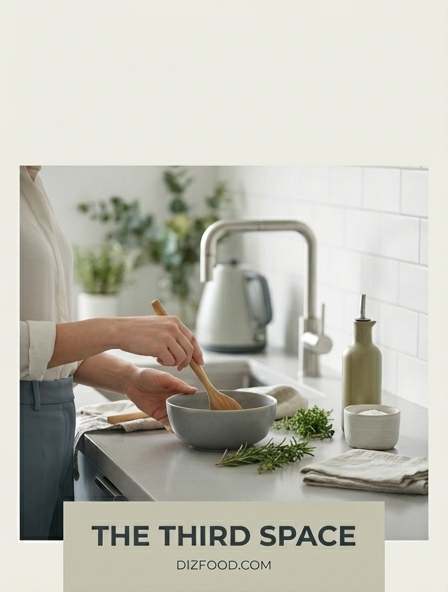
Defining the Modern Third Space
The concept of the "Third Space" refers to social environments that exist outside the primary realms of the home and the workplace. In the context of modern urban living, the kitchen-whether in a high-end cafe or a communal apartment block-has emerged as the quintessential third space. It serves as a neutral ground where hierarchies dissolve, allowing individuals to engage in spontaneous interaction. Unlike the home, which is private, or the office, which is governed by professional productivity, this space prioritizes social equilibrium and psychological refreshment.
By blending the comfort of domesticity with the energy of public life, these kitchen-centric spaces provide a sense of belonging. They are characterized by their accessibility and the presence of "regulars" who anchor the atmosphere. As society becomes increasingly digitized and isolated, the physical kitchen environment acts as a vital anchor for human presence. It is a destination where the simple act of presence is enough to foster a connection to the broader community, redefining how we perceive shared architectural environments in the twenty-first century.
Community Building Over Coffee
Coffee serves as more than just a stimulant; it is the fundamental currency of the third space. The process of ordering, preparing, and consuming coffee creates a rhythmic cadence that facilitates low-stakes social engagement. In these kitchen environments, the shared ritual of the "brew" acts as a bridge between strangers, turning a solitary activity into a collective experience. The warmth of the beverage and the familiar sounds of the espresso machine create a sensory backdrop that encourages people to linger and converse.
- The Greeting: Establishing a baseline of recognition with baristas and neighbors.
- The Queue: A transitional moment that allows for brief, unforced small talk.
- The Shared Table: Breaking the physical barriers of personal space to foster proximity.
- The Slow Sip: Signaling availability for deeper conversation and reflection.
Through these interactions, the kitchen becomes a microcosm of the neighborhood. It is a place where social capital is built incrementally, one cup at a time. The inclusivity of coffee culture ensures that regardless of background, anyone can participate in this communal dialogue, strengthening the fabric of the local social ecosystem.
The Communal Kitchen Influence
The rise of co-living and shared workspaces has elevated the communal kitchen from a utility room to a social engine. When people cook alongside one another, the focus shifts from the end product to the process of collaboration. This environment encourages the exchange of cultural traditions, recipes, and personal stories. The act of sharing tools, spices, and counter space necessitates a level of cooperation that is rarely found in other public settings. It transforms the kitchen into a laboratory for social cohesion.
In many modern developments, the communal kitchen is designed to be the "heart" of the building, drawing residents out of their private units. This design philosophy recognizes that food preparation is a universal human experience that transcends language barriers. By providing high-quality shared facilities, developers foster an environment where "accidental" meetings occur frequently. This persistent visibility of others helps to combat urban loneliness, creating a support network rooted in the shared necessity of nourishment and the joy of collective dining.
Atmosphere and Social Connectivity
The success of a third space depends heavily on its atmosphere, which is a delicate balance of sensory inputs. In a kitchen-focused social hub, the smell of toasted grains, the hiss of steam, and the tactile nature of ceramic mugs contribute to a feeling of "hygge" or cozy intimacy. This ambiance is not merely decorative; it is functional. A well-curated atmosphere lowers social anxiety and makes individuals more receptive to their surroundings. It creates a "leveling" effect where everyone feels equally invited to occupy the space.
Connectivity is also driven by acoustic design. A space that is too quiet feels clinical, while one that is too loud prevents meaningful dialogue. The ideal kitchen third space maintains a "hum"-a background layer of activity that provides a sense of privacy for individual tables while maintaining the energy of a crowd. Lighting plays a crucial role as well; warm, low-level illumination mimics the evening hearth, signaling to the brain that it is time to transition from the stress of the "second space" (work) to the restorative potential of the third.
Designing for Meaningful Interaction
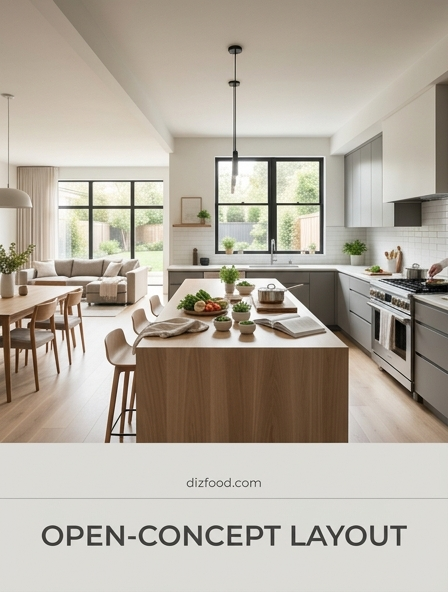
Architectural layout is the silent facilitator of community. To transform a kitchen into a true third space, designers must move beyond mere aesthetics and consider the flow of human movement. The placement of the kitchen island, for instance, serves as a natural gathering point where people can lean and linger without blocking traffic. High-top tables encourage a more casual, transient stay, while soft seating areas invite longer, more intimate discussions. Every element is calibrated to encourage eye contact and reduce physical barriers between occupants.
| Feature | Social Purpose | Impact |
|---|---|---|
| Island Bench | Central Hub | Encourages 360-degree interaction |
| Open Shelving | Transparency | Makes the space feel lived-in and accessible |
| Zoned Seating | Flexibility | Accommodates both solo users and groups |
Effective design also considers the "perch." This is a spot where a person can sit alone with a book or laptop but still feel part of the room's energy. By providing varied levels of engagement, the space remains inclusive to extroverts and introverts alike, ensuring that the kitchen remains a dynamic and welcoming environment for all.
The Social Ritual of Caffeine
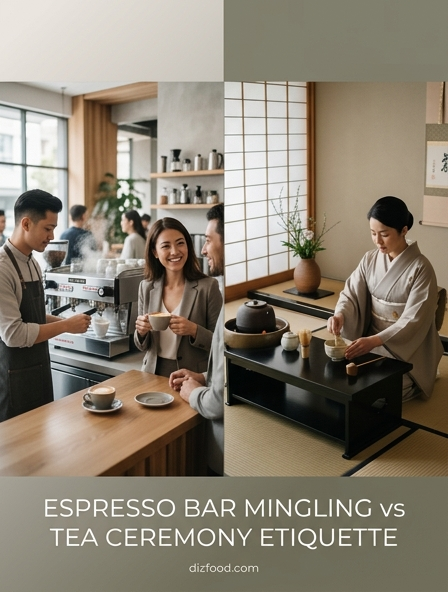
The daily pilgrimage to the kitchen for caffeine is a ritual that marks the passage of time in the modern schedule. It is often the first social contact of the day, serving as a psychological "warm-up" for the hours ahead. This ritual is steeped in tradition, from the precision of a Japanese tea ceremony to the rapid-fire espresso culture of Italy. In the third space, these traditions are modernized, but their core purpose remains: to provide a structured moment of pause in an otherwise chaotic world.
Caffeine acts as a social lubricant, heightening alertness and encouraging verbal exchange. The "coffee break" is a culturally recognized period where it is acceptable to step away from productivity and engage in pure sociability. This ritualized behavior creates a predictable environment where bonds can grow over time. Because the act of drinking is repetitive, it provides a sense of stability. Regulars find comfort in the sameness of the ritual, using the kitchen as a reliable sanctuary where they can reconnect with themselves and their peers through the familiar steam of a hot cup.
Bridging Public and Private Life
The third space kitchen acts as a vital bridge, thinning the walls between our private domestic lives and the broader public sphere. In ancient times, the hearth was the center of the home; today, the public kitchen or cafe serves as a "collective hearth." It allows people to experience the comforts of home-comfortable seating, warm drinks, and a sense of security-while remaining exposed to the diversity and novelty of the public world. This duality is essential for a healthy civic life, as it prevents the total retreat into private silos.
When we occupy these spaces, we are performing a version of ourselves that is both relaxed and social. We carry our private concerns into the kitchen, but they are mitigated by the presence of others. This "bridging" effect is particularly important for those who live alone or work remotely, as it provides a necessary outlet for human energy. By moving between the private kitchen and the public third space, individuals maintain a sense of balance, ensuring they are neither isolated by their privacy nor overwhelmed by the anonymity of the city.
Collaborative Spaces and Digital Nomads
The traditional kitchen has evolved into a hybrid workspace for the digital nomad generation. No longer just for eating, these spaces are now hubs of decentralized productivity. The sound of keyboard clicks blends with the clinking of cutlery, creating a unique "white noise" that many find more conducive to focus than the silence of a library or the sterility of a corporate office. The third space kitchen provides the necessary infrastructure for this lifestyle, blending high-speed connectivity with essential amenities.
- Accessibility: Low barriers to entry compared to expensive coworking memberships.
- Nutrition: Immediate access to fresh food and drink to sustain long work sessions.
- Networking: Spontaneous professional connections made during a mid-day snack.
- Atmosphere: A vibrant, changing environment that prevents creative stagnation.
For the digital nomad, the kitchen represents a mobile "home base." It offers a sense of consistency across different cities and cultures. This shift has forced designers to rethink kitchen ergonomics, incorporating power outlets and ergonomic seating into areas once reserved exclusively for dining, creating a truly multifunctional third space.
Fostering Local Neighborhood Bonds
Hyper-local kitchens and cafes are the glue that holds neighborhoods together. Unlike large commercial chains, these third spaces often reflect the specific character and history of their immediate surroundings. They serve as unofficial town halls where residents discuss local news, organize community events, and support one another during times of need. The kitchen becomes a repository of local knowledge, where the staff knows your name and your "usual" order, creating a profound sense of psychological safety.
This localized focus encourages "social capital"-the networks of relationships among people who live and work in a particular society. When a kitchen prioritizes local sourcing and neighborhood involvement, it strengthens the local economy and fosters a sense of pride. These spaces are often the first to host local art, music, or workshops, further cementing their role as a cultural cornerstone. By providing a consistent place for neighbors to cross paths, the third space kitchen ensures that the community remains a living, breathing entity rather than just a collection of addresses.
The Future of Collective Gathering Spaces
As we look toward the future, the third space kitchen will likely become even more integrated with technology and sustainability. We are seeing the rise of "smart" communal kitchens that allow for seamless sharing of resources and waste reduction. However, the core human need for physical gathering will remain unchanged. Future designs will likely emphasize "biophilic" elements-integrating plants and natural light-to enhance the restorative qualities of the space. The kitchen will continue to be a sanctuary against the "always-on" nature of digital life.
Furthermore, the evolution of these spaces will likely focus on radical inclusivity, ensuring that the third space is accessible to all ages and abilities. Whether through community-supported kitchens that address food insecurity or high-tech hubs for global nomads, the kitchen will remain the primary site for social innovation. It is the one space where the ancient tradition of breaking bread meets the modern need for connection. As long as humans require nourishment and companionship, the kitchen will remain the most important third space in our architectural and social landscape.

Comments