
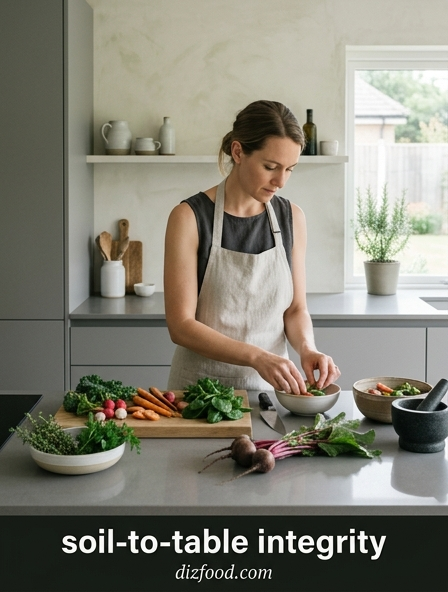
Nutrient Density in Soil-to-Table Living
Soil health is the foundational determinant of the nutritional value found in our daily meals. When we prioritize soil-to-table integrity, we acknowledge that the density of phytonutrients, vitamins, and antioxidants in a vegetable is directly proportional to the microbial activity of the earth it grew in. Industrial farming often depletes the earth, leading to dilution effects where crops grow large but lack essential micronutrients. In contrast, regenerative practices ensure that the plant has access to a complex web of minerals and symbiotic fungi.
- Increased Vitamin C concentrations in leafy greens.
- Higher levels of polyphenols in sun-ripened berries.
- Enhanced bioavailability of fat-soluble vitamins in root crops.
- Greater accumulation of magnesium and potassium.
This approach to sourcing transforms the kitchen from a place of mere assembly to a laboratory of wellness. By selecting ingredients grown in living soil, cooks ensure that every calorie consumed carries a higher functional value, supporting long-term physiological resilience and metabolic health. Ultimately, the integrity of the soil is the silent architect of human vitality.
Flavor Profiles of Earth-First Ingredients
True culinary excellence begins long before a knife touches a cutting board; it starts in the humus of the forest floor or the compost-rich beds of a local farm. Ingredients grown with earth-first principles exhibit a depth of flavor that hydroponic or mass-produced alternatives cannot replicate. This is due to the presence of secondary metabolites-compounds the plant produces to protect itself-which also provide the complex aromas and pungent tastes prized in gourmet cooking.
Consider the following flavor characteristics found in high-integrity produce:
- Carrots: Deep earthy sweetness with subtle notes of pine and citrus.
- Tomatoes: A complex balance of acidity, umami, and high sugar content.
- Brassicas: Peppery depth and nuttiness without excessive bitterness.
- Alliums: Intense pungency that mellows into a rich, savory caramel.
When a chef works with such high-quality produce, minimal intervention is required. The integrity of the soil provides a natural "terroir," a sense of place that resonates on the palate. This connection to the earth elevates a simple meal into a sensory experience that honors the biological complexity of the natural world.
Social Cooking with Seasonal Harvests
Social cooking serves as a bridge between the rhythms of the earth and the pulse of human connection. When we gather to prepare seasonal harvests, the menu is dictated by the environment rather than convenience. This spontaneity fosters a unique creative energy in the kitchen, as participants collaborate to highlight the fleeting beauty of a spring ramp or an autumn squash. The collaborative process encourages the sharing of ancestral techniques and modern innovations.
| Season | Key Harvest | Social Activity |
|---|---|---|
| Spring | Asparagus & Peas | Light brunch preparation and shelling parties. |
| Summer | Stone Fruits | Preserving, canning, and outdoor jam making. |
| Autumn | Root Vegetables | Communal roasting and preparation of hearty stews. |
| Winter | Hardy Greens | Long-simmered broths and fermenting workshops. |
As we peel, chop, and sauté together, we reinforce the social fabric of our communities. The kitchen becomes a communal hub where the story of the soil is told through the hands that prepare the food, making every meal a celebration of time, place, and friendship.
The Health Impact of Trace Minerals
The human body requires a vast array of trace minerals to catalyze enzymatic reactions and maintain hormonal balance. These elements, including selenium, zinc, and magnesium, must be drawn from the soil by plant roots. In a soil-to-table system, the focus remains on maintaining the mineral cycle. When soil is biologically dead, these elements are absent, leading to "hidden hunger"-a state where the body is fed but malnourished due to mineral deficiencies.
Consuming produce from mineral-rich earth supports several vital bodily functions:
- Selenium: Critical for thyroid health and antioxidant defense.
- Zinc: Essential for immune response and DNA synthesis.
- Magnesium: Necessary for muscle function and neurological stability.
- Copper: Important for iron absorption and collagen formation.
By understanding the link between geological health and personal vitality, the home cook acts as a steward of their family's health. Integrating these trace minerals into the diet through diverse, earth-grown ingredients ensures that the body has the raw materials necessary for cellular repair and longevity, moving beyond basic macronutrients to true holistic nourishment.
Culinary Quality Through Biological Integrity
Culinary quality is often measured by texture, color, and structural integrity, all of which are direct products of biological health. A plant grown in a balanced ecosystem develops stronger cell walls and more robust vascular systems. This results in produce that retains its crunch when sautéed and its vibrant pigment when roasted. Biological integrity also extends the shelf life of ingredients naturally, as the plant possesses higher levels of natural preservatives like antioxidants and protective enzymes.
In the professional and home kitchen alike, the difference is tactile:
- Leafy greens that do not wilt immediately upon harvest.
- Onions with layers that remain crisp, pungent, and hydrated.
- Berries that maintain their form rather than becoming mushy.
- Potatoes with a dense, creamy texture that holds up in soups.
When the biological needs of the plant are met by the soil, the resulting ingredient is a superior tool for the cook. This structural excellence allows for more diverse cooking techniques, as the food can withstand high heat or long fermentation without losing its essential character. Biological integrity is the silent partner in every successful recipe.
Shared Meals and Sustainable Sourcing
The act of sharing a meal is significantly enhanced when the origins of the food align with sustainable values. Sourcing ingredients from local regenerative farms ensures that the meal supports ecological restoration rather than extraction. This ethical alignment creates a sense of "moral deliciousness," where the enjoyment of the food is heightened by the knowledge that it contributed to a healthier planet and a more resilient local economy.
Sustainable sourcing involves several key conscious choices:
- Selecting heritage varieties to preserve agricultural biodiversity.
- Purchasing directly from farmers to ensure fair wages and transparency.
- Utilizing "root-to-stem" cooking techniques to minimize food waste.
- Choosing produce that has not traveled thousands of miles to reach the plate.
When guests sit down to a table laden with sustainably sourced food, the conversation naturally shifts toward the provenance of the ingredients. The meal becomes more than just a source of calories; it is a manifestation of community values and environmental stewardship. By prioritizing sustainability in the kitchen, we ensure that the ritual of the shared meal remains meaningful.
Microbiome Benefits of Fresh Produce
The human microbiome is an internal ecosystem that thrives on the diversity of the external ecosystem. Recent research suggests that the beneficial bacteria found in healthy soil can bolster human gut flora. When we consume fresh, minimally processed produce from soil-to-table sources, we introduce a variety of prebiotic fibers and soil-based organisms that support digestive health and immune function. This invisible layer of nutrition is a crucial component of the soil-to-table philosophy.
- Increased microbial diversity within the gastrointestinal tract.
- Improved production of short-chain fatty acids for gut integrity.
- Enhanced mental clarity through the gut-brain axis.
- Better regulation of systemic inflammation.
The kitchen acts as the primary site for preserving these biological benefits. By opting for raw, fermented, or lightly cooked preparations, we maintain the integrity of these microscopic helpers. Fresh produce harvested at its peak contains a living community of microorganisms that work in tandem with our own biology, linking the health of the earth directly to our internal equilibrium and daily well-being.
Kitchen Socializing and Farm-Fresh Standards
The modern kitchen is evolving into a social theater where the quality of ingredients sets the stage. Farm-fresh standards raise the bar for what we expect from our food, transforming a simple gathering into an educational experience. As people socialize over the preparation of high-integrity ingredients, they develop a shared vocabulary of quality, learning to distinguish the snap of a fresh bean or the fragrance of sun-ripened basil. This culture of excellence fosters deeper connections among participants.
High standards in the kitchen environment include the following pillars:
- Transparency: Knowing exactly where and how the food was grown.
- Proximity: Reducing the time from harvest to preparation to ensure peak freshness.
- Education: Sharing knowledge about heirloom varieties and seasonal growth cycles.
When we demand more from our ingredients, we also demand more from our interactions. This leads to more meaningful conversations and a stronger sense of communal identity. The kitchen becomes a space where farm-fresh standards and human connection intersect, creating a lifestyle centered on quality, integrity, and the joy of shared work.
The Science of Soil-Grown Superfoods
While "superfood" is often used as a marketing term, its scientific basis lies in the concentration of secondary metabolites. These compounds-such as anthocyanins in purple potatoes or sulforaphane in broccoli-are the plant's natural defense mechanisms against pests and environmental stress. In a soil-to-table system, plants are allowed to develop these compounds naturally in response to a rich, competitive microbial environment, rather than being pampered with synthetic inputs.
| Superfood | Key Compound | Primary Health Benefit |
|---|---|---|
| Kale | Quercetin | Anti-inflammatory support |
| Garlic | Allicin | Cardiovascular health |
| Beets | Betalains | Detoxification assistance |
| Turmeric | Curcumin | Potent antioxidant properties |
The science confirms that soil-grown produce often outperforms its industrial counterparts in these specific areas. By understanding the chemical makeup of our food, we can curate a diet that acts as preventative medicine. The kitchen thus becomes a place where the science of the soil meets the art of longevity, providing the body with potent biological tools.
Building Community Through Nutrient Integrity
Building a community around nutrient integrity creates a resilient local food system that benefits everyone involved. When consumers prioritize nutrient-dense food, they provide the economic support necessary for local farmers to continue practicing sustainable agriculture. This creates a feedback loop of health: the soil improves, the food becomes more nourishing, and the community becomes more vibrant and productive. This collective commitment to nutrient integrity transcends individual health goals.
Community-building strategies include:
- Participating in Community Supported Agriculture (CSA) programs.
- Organizing neighborhood seed swaps and community garden tours.
- Hosting "potluck" dinners focused on local, seasonal ingredients.
- Supporting school programs that teach children about soil health.
This shared sense of purpose fosters a deep-seated connection to the land and to one another. As we work together to secure high-quality food sources, we are not just feeding our bodies; we are nourishing the social bonds that hold our neighborhoods together. The soil-to-table journey concludes not at the individual plate, but in the thriving, interconnected community that makes such a lifestyle possible for all.





Comments