
Ever wonder why your expensive walnuts or macadamias lose that satisfying crunch and develop a bitter aftertaste just weeks after opening? The secret to "forever freshness" lies in the battle against oxidation, the primary enemy of the healthy oils found in nuts. While standard plastic pantry bins are excellent for sleek organization and quick access, they inevitably trap oxygen inside the container, leading to rapid rancidity. In contrast, vacuum-sealed nut jars represent a quantum leap in food preservation by actively extracting air to create a pressurized vacuum. By removing the oxygen, you effectively halt the aging process, protecting the delicate fats and locking in that "just-harvested" flavor and creamy texture for months-or even years-longer than traditional storage methods.
| Feature | Vacuum Sealed Nut Jars | Standard Plastic Bins |
|---|---|---|
| Preservation Method | Active oxygen extraction (vacuum pump) | Passive airtight seal (traps air inside) |
| Oxidation Rate | Near zero; halts oil degradation | High; continuous exposure to trapped air |
| Typical Shelf Life | 12-24 months (room temp) | 3-6 months (room temp) |
| Texture Retention | Maintains maximum "snap" and crunch | Gradual softening/staling over time |
| Material Safety | Usually Borosilicate glass (non-reactive) | BPA/Phthalate plastics (potential leaching) |
| Best Use Case | Bulk buying & long-term nut storage | High-turnover snacks & daily use |
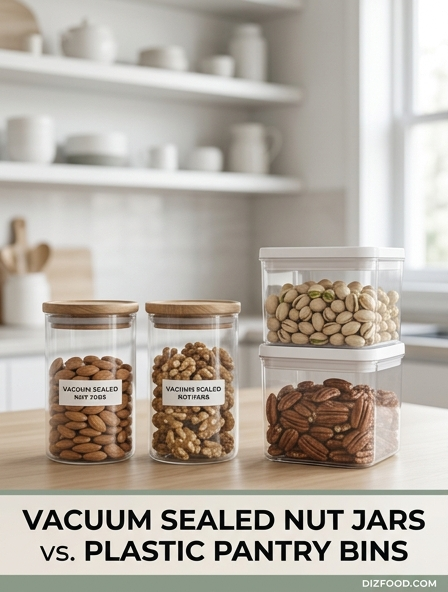
Vacuum Sealing vs Plastic Bins for Nut Freshness
Maintaining the peak freshness of nuts requires a careful balance of environmental controls. Vacuum sealed jars and plastic pantry bins represent the two most common approaches to nut storage, yet they operate on fundamentally different principles. Plastic bins are primarily designed for accessibility and organization, providing a physical barrier against pests and dust. However, they typically rely on friction-fit or silicone-gasket lids that trap a significant volume of ambient air inside the container alongside the food. This trapped air is the primary enemy of freshness, as it contains the oxygen and moisture that lead to degradation.
Vacuum sealing technology, conversely, focuses on the active removal of the environment that causes spoilage. By using a mechanical pump to extract air from a glass or specialized plastic jar, the internal pressure drops, and the concentration of oxygen is drastically reduced. This creates a stable internal atmosphere where the nuts are less susceptible to external fluctuations. While plastic bins are convenient for high-turnover snacks, vacuum sealing is the superior choice for preserving the delicate oils found in premium nuts like walnuts, pecans, and macadamias.
| Feature | Vacuum Sealed Jars | Plastic Pantry Bins |
|---|---|---|
| Air Presence | Minimized via extraction | Trapped inside during closing |
| Primary Use | Long-term preservation | Daily access and organization |
| Seal Type | Hermetic vacuum seal | Mechanical/Silicone gasket |
The Impact of Oxidation on Nut Quality and Flavor
Oxidation is a chemical reaction that occurs when the unsaturated fats in nuts are exposed to oxygen. Because nuts are high in lipids, they are particularly vulnerable to this process, which results in the development of off-flavors and unpleasant odors. When a nut oxidizes, the molecular structure of its oils changes, producing compounds like aldehydes and ketones. These are responsible for the "cardboard" or "paint-like" taste often associated with old or poorly stored nuts. Beyond just taste, oxidation also compromises the nutritional profile, as the healthy fats are literally breaking down at a cellular level.
The rate of oxidation is influenced by several factors, including light, temperature, and the total surface area of the nuts exposed to air. Chopped nuts, for instance, oxidize much faster than whole nuts because more of their oil-rich interior is in contact with the atmosphere. In a standard plastic pantry bin, the constant presence of oxygen ensures that oxidation is always occurring, albeit slowly if the lid is tight. Vacuum sealing interrupts this chemical chain reaction by removing the catalyst-oxygen-almost entirely. Without oxygen to bind with the lipid molecules, the nuts remain in a state of suspended freshness, retaining the sweet, buttery notes that characterize high-quality produce. This is why a vacuum-sealed almond will maintain its characteristic "snap" and floral flavor profile long after a bin-stored almond has become soft and bitter.
How Vacuum Sealed Jars Prevent Nut Rancidity
Rancidity is the final stage of fat oxidation and hydrolysis, marking the point where nuts become unpalatable and potentially unhealthy to consume. Vacuum sealed jars prevent this by addressing the three primary triggers of rancidity: oxygen exposure, moisture ingress, and atmospheric pressure changes. By creating a negative pressure environment, vacuum sealing ensures that the lid is held down with significant force, creating a more reliable hermetic seal than a simple snap-on lid can provide. This prevents the "breathing" effect where containers intake fresh, moist air every time the kitchen temperature fluctuates.
The prevention process follows a specific scientific hierarchy to ensure the nuts stay shelf-stable:
- Oxygen Depletion: The removal of air reduces the oxygen levels to below 1%, which is insufficient for most oxidative browning and oil breakdown.
- Aroma Preservation: Because the environment is sealed and airless, the volatile oils that give nuts their aroma cannot evaporate into the headspace of the jar.
- Enzymatic Retardation: Low oxygen levels slow down the natural enzymes within the nuts that eventually lead to spoilage and texture softening.
When you use a vacuum sealer on a glass jar, you are essentially creating a micro-environment that is disconnected from the kitchen's humidity and air quality. This is especially critical for nuts with high polyunsaturated fat content, such as walnuts and pine nuts, which can turn rancid in a matter of weeks if left in a standard plastic bin at room temperature.
Plastic Pantry Bins and Air Exposure Risks
Plastic pantry bins are a staple of kitchen organization because they are lightweight, stackable, and usually transparent. However, from a preservation standpoint, they possess several inherent risks that can compromise nut quality. Most plastic bins are made from materials like polypropylene or polystyrene, which, while durable, are slightly gas-permeable over long periods. More importantly, the seals on these bins are rarely truly airtight. Every time the bin is opened to grab a handful of nuts, a fresh supply of oxygen and humidity enters the container. Even when closed, the "headspace"-the empty area above the food-remains filled with air that immediately begins reacting with the nuts.
Another risk involves the physical design of plastic bins. Over time, the locking mechanisms or silicone seals can warp or degrade, especially if they are frequently washed in high-heat dishwashers. A seal that seems tight may actually have microscopic gaps that allow for air exchange. For nuts, which are highly sensitive to "odors" in the environment, this is problematic; plastic bins can sometimes allow the nuts to absorb the scents of nearby spices or cleaning chemicals in the pantry. Furthermore, the porous nature of older plastic can harbor residual oils from previous batches of nuts, which can go rancid within the plastic itself and contaminate new contents. While plastic bins are excellent for short-term storage of low-fat items like pasta or flour, they are suboptimal for the long-term protection of oil-dense nuts.
Extending Shelf Life with Airtight Vacuum Technology
The primary goal of advanced storage is the extension of shelf life without the need for chemical preservatives or refrigeration. Airtight vacuum technology achieves this by drastically altering the timeline of decay. For most nuts stored in a standard plastic bin at room temperature, the peak flavor window is approximately three to six months. Beyond this point, the texture begins to change, and the oils start to fade. With vacuum sealing, this window can be extended to 1.5 to 2 years, depending on the variety of nut and the storage temperature. This makes vacuum sealing an essential tool for those who buy in bulk or harvest their own nuts.
The technology works by maintaining a consistent state that mimics commercial packaging standards. Consider the following shelf-life comparisons for common nuts stored at room temperature:
- Walnuts: 3 months in plastic bins vs. 12+ months in vacuum jars.
- Almonds: 6 months in plastic bins vs. 24 months in vacuum jars.
- Cashews: 6 months in plastic bins vs. 18 months in vacuum jars.
- Pistachios: 3 months in plastic bins vs. 10 months in vacuum jars.
By effectively "stopping the clock," vacuum technology allows home cooks to take advantage of bulk pricing without the fear of waste. It also allows for the storage of delicate nuts that usually require freezer space, freeing up that space for other items. The initial investment in a vacuum sealing system is typically offset by the reduction in food waste within the first year of use.
Nutrient Retention in Vacuum Sealed vs Standard Storage
Nuts are prized for their high concentration of vitamins, minerals, and healthy fats, particularly Vitamin E and Omega-3 fatty acids. However, these nutrients are chemically sensitive to their environment. Vitamin E is a powerful antioxidant, meaning it is the first line of defense against oxygen. When nuts are stored in standard plastic bins, the Vitamin E within the nut is "used up" reacting with the trapped oxygen in the bin, depleting the nutritional value before you even consume the food. Vacuum sealing preserves these nutrients by removing the need for the nut to defend itself against oxidation.
Furthermore, many B-vitamins are sensitive to light and air. While both glass jars and plastic bins are often transparent, glass vacuum jars are easier to store in dark cabinets without worrying about the seal failing. Studies on food preservation have shown that the degradation of fatty acids is significantly slower in low-oxygen environments. In standard storage, the long-chain fatty acids begin to break down into shorter, less beneficial chains. Vacuum sealing maintains the integrity of these molecular structures, ensuring that the heart-healthy benefits of the nuts remain intact. When you choose vacuum storage, you are not just saving the flavor; you are ensuring that the biological value of the food is preserved from the moment of purchase until it reaches your plate.
Comparing Material Durability Glass Jars vs Plastic Bins
When choosing between glass vacuum jars and plastic bins, durability and long-term safety are paramount. Glass is an inert material, meaning it does not react with the oils in the nuts and does not leach chemicals like BPA or phthalates into the food. It is also non-porous, so it will never absorb odors or stains. From a durability standpoint, glass can last for decades if handled carefully, and it does not scratch. Scratches in plastic bins are more than just an aesthetic issue; they provide microscopic breeding grounds for bacteria and can trap old oils that eventually turn rancid.
| Factor | Glass Vacuum Jars | Plastic Pantry Bins |
|---|---|---|
| Chemical Reactivity | Inert / None | Potential for leaching |
| Odor Absorption | Never | Possible over time |
| Clarity | Permanent transparency | Can become cloudy/scratched |
| Heat Resistance | High (Sanitization easy) | Low to Moderate |
Plastic bins do have the advantage of being shatterproof and lighter, which may be preferable for households with young children or for those who store their bins on high shelves. However, for the specific purpose of storing oil-rich foods like nuts, the chemical stability of glass is significantly more advantageous. The vacuum-specific lids used with glass jars are also built to withstand the physical stress of negative pressure, whereas thin-walled plastic bins can actually collapse or "oil-can" if a strong vacuum is applied to them.
Moisture Control and Mold Prevention in Nut Storage
Moisture is the second greatest threat to nut quality after oxygen. High humidity can lead to the growth of mold, including dangerous types that produce aflatoxins-naturally occurring toxins that are harmful to humans. Plastic bins, while they keep liquid water out, are often not effective at managing the internal humidity of the air trapped inside. If nuts are placed in a bin on a humid day, that moisture is sealed in with them. If the temperature drops, this moisture can condense on the surface of the nuts or the walls of the bin, creating the perfect environment for fungal spores to bloom.
Vacuum sealing effectively manages moisture by removing the carrier of the water: the air. When the air is pumped out, the humidity is removed along with it. This creates an extremely dry environment where mold cannot survive or reproduce. Furthermore, the airtight seal of a vacuum jar prevents the nuts from absorbing moisture from the outside environment, which is a common problem in coastal areas or during humid summer months. This keeps the nuts crisp and prevents them from becoming "chewy" or "rubbery." For nuts like cashews and brazil nuts, which are particularly susceptible to mold in tropical climates, the moisture-depleted environment of a vacuum-sealed jar is the only reliable way to ensure safety and texture over several months of storage.
Organizing Your Pantry for Long Term Nut Preservation
Efficient pantry organization is about more than just aesthetics; it is a system for maintaining food safety and quality. When transitioning from standard plastic bins to vacuum sealed jars, the strategy for organization changes. Since vacuum sealing is intended for long-term storage, it is helpful to categorize nuts by their "turnover rate." For example, nuts used daily in oatmeal might remain in a small, accessible bin, while the bulk supply remains vacuum sealed in a larger jar at the back of the pantry.
To maximize the effectiveness of your pantry organization, consider the following steps:
- Labeling: Always mark the date of vacuum sealing. It is easy to forget how long a jar has been sitting when the contents still look fresh.
- FIFO Method: Practice "First In, First Out." Use your oldest vacuum-sealed batches before starting on newer ones to ensure nothing exceeds its extended shelf life.
- Vertical Space: Glass jars are heavy; ensure your shelving is rated for the weight and use tiered organizers to keep all jars visible.
- Climate Control: Even with vacuum sealing, heat can still degrade oils. Store your jars in the coolest, darkest part of the pantry, away from the oven or dishwasher.
A well-organized pantry using vacuum jars allows you to see exactly what you have in stock through the clear glass, reducing the likelihood of over-purchasing. This systematic approach transforms the pantry from a chaotic storage area into a high-performance food preservation zone.
Choosing the Best Storage Method for Bulk Nuts
The decision between vacuum sealed jars and plastic bins ultimately depends on your consumption habits and the types of nuts you prefer. If you are a casual snacker who buys small quantities of nuts and consumes them within two weeks, the convenience of a plastic bin with a flip-top lid is likely sufficient. The speed of access outweighs the marginal freshness loss over such a short duration. However, for the serious home cook, the health-conscious consumer, or the bulk shopper, vacuum sealing is the only method that provides professional-grade results.
When selecting your storage system, evaluate the fat content of your nuts. High-fat nuts like walnuts, pine nuts, and macadamias should always be vacuum sealed if they won't be finished within a month. For lower-fat options like chestnuts or heavily processed roasted nuts with added preservatives, plastic bins may suffice for slightly longer. However, if you want to maintain the "raw" nutritional profile of organic nuts, the investment in a vacuum sealer and a set of glass jars pays for itself by preventing the expensive loss of rancid product. By choosing vacuum technology, you are committing to a higher standard of food quality, ensuring that every nut you eat is as crunchy, flavorful, and nutritious as the day it was harvested.

Comments