
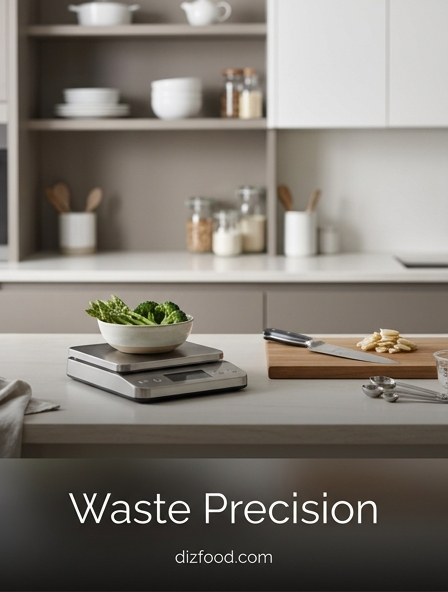
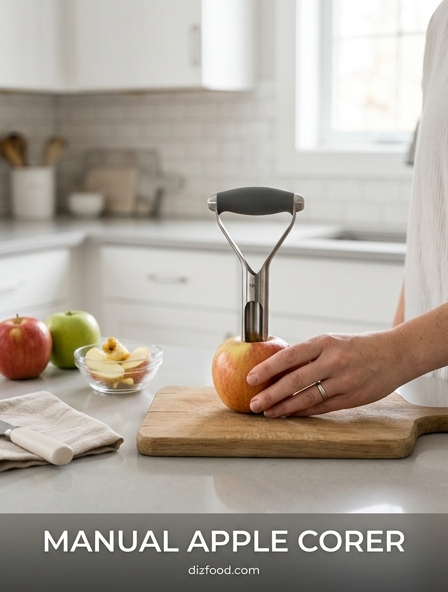
Efficiency in your kitchen isn't just about speed; it's about making the most of every ingredient to reduce your environmental footprint. Waste precision is the secret to minimizing food waste, as using the right tools allows you to salvage the maximum amount of edible flesh while removing only what is truly necessary. By reducing excess scraps, you not only save money on your monthly grocery bill but also contribute to a more sustainable home environment. Whether you are prepping healthy snacks or cooking a large family feast, the accuracy of your equipment determines how much ends up on your plate versus in the bin. For those looking to optimize their fruit prep, evaluating a Manual Apple Corer Vs Multi Blade Slicer is a great way to ensure you're maximizing your yield every time.
The Role of Portion Control in Reducing Snack Waste
Portion control is a fundamental pillar of kitchen precision, specifically when addressing the volatile nature of snack consumption. When large bags of chips, crackers, or nuts are opened and consumed directly, the exposure to air accelerates degradation, often leading to half-empty bags being discarded due to staleness. By implementing strict portioning, you limit the surface area of food exposed to oxygen at any given time.
To effectively manage snack portions and minimize the likelihood of waste, consider these specific steps:
- Transfer bulk snacks into smaller, airtight reusable containers immediately after purchase.
- Use standardized measuring scoops to ensure consistent serving sizes that match actual hunger levels.
- Label containers with the date of opening to track freshness and prioritize older items.
- Avoid eating directly from the primary packaging to prevent cross-contamination and moisture buildup.
This disciplined approach transforms snacking from a mindless activity into a calculated process. By treating snacks as discrete units rather than an endless supply, you significantly reduce the volume of food that loses its texture and flavor, ensuring every bite remains at peak quality until the supply is exhausted.
Mastering Kitchen Inventory for Precise Consumption
A disorganized pantry is a primary driver of kitchen waste. Without a clear understanding of your current inventory, items frequently disappear into the dark corners of cabinets, only to be rediscovered long after their peak quality has passed. Precision in the kitchen requires a systematic view of your stock to ensure that nothing is purchased redundantly and every item is used according to its timeline.
The "First In, First Out" (FIFO) method is the industry standard for maintaining a precise inventory. Follow this sequence to master your pantry flow:
- Audit your shelves weekly to identify items nearing their expiration.
- Group similar items together to visualize the total volume of specific categories.
- Move older products to the front of the shelf and place new purchases at the back.
- Create a "Use First" bin for items that are open or approaching their best-by dates.
Maintaining a digital or physical inventory list allows for precise meal planning. When you know exactly how many grams of flour or ounces of pasta you have, you can tailor your recipes to utilize these specific quantities, eliminating the "bits and pieces" that often end up in the trash.
How Measuring Ingredients Prevents Overproduction
Overproduction is a common result of "eyeballing" ingredients during meal preparation. While intuitive cooking has its place, it often leads to excessive leftovers that are eventually discarded because they exceed the household's consumption capacity. Measuring ingredients with precision-using digital scales rather than volume-based cups-ensures that the output of your kitchen perfectly matches the intended number of servings.
Consider the impact of precise measurement on common high-waste categories:
| Ingredient Category | Common Waste Cause | Precision Solution |
|---|---|---|
| Grains (Rice/Pasta) | Volume expansion oversight | Weight-based dry portioning |
| Proteins | Oversized portions | Ounce-per-person calculation |
| Produce | Over-chopping | Prep-by-weight for recipes |
By adhering to exact measurements, you control the final volume of the meal. This eliminates the "accidental extra serving" that often sits in the refrigerator until it spoils. Kitchen precision turns every recipe into a zero-waste operation by ensuring every gram of raw material serves a specific purpose in the final dish.
The Impact of Expiration Date Accuracy on Food Longevity
Understanding the nuance between different date labels is critical for waste precision. Many consumers conflate "Best if Used By" dates with safety deadlines, leading to the premature disposal of perfectly viable food. A precise kitchen operator differentiates between quality indicators and safety warnings to maximize the lifecycle of every ingredient. "Best if Used By" typically refers to peak flavor and texture, whereas "Use By" is more strictly related to food safety for highly perishable items.
To improve longevity through date accuracy, you should rely on sensory evaluation alongside the printed date. If a product has been stored under optimal conditions-sealed tightly and kept at the correct temperature-it may remain high-quality for days or even weeks beyond a quality-related date. Accuracy also involves marking the date of opening on condiments and canned goods, as the shelf life changes drastically once the seal is broken. Precision here prevents the waste of perfectly safe food while simultaneously protecting the household from consuming items that have truly degraded beyond the point of utility.
Strategic Snack Prep to Eliminate Excess
Strategic snack preparation is the bridge between bulk purchasing and zero-waste consumption. When snacks are left in their original, often oversized packaging, the lack of visibility and accessibility can lead to them being forgotten or becoming stale. Precision in this context means transforming bulk items into ready-to-eat portions that align with your daily caloric or hunger needs. This proactive approach ensures that perishable snacks, like fruits and vegetables, are utilized before they lose their crispness.
Key strategies for effective snack prep include:
- Pre-slicing vegetables and storing them in water-filled containers to maintain hydration.
- Allocating specific quantities of dry snacks into reusable silicone bags for on-the-go access.
- Mixing high-moisture and low-moisture snacks only at the moment of consumption to prevent sogginess.
- Using clear glass jars to keep contents visible, encouraging consumption of the oldest items first.
By investing time in preparation, you remove the barriers to healthy consumption. Precision in the prep phase means you are never left with a rotting bag of spinach or a box of soft crackers, as every item has been pre-allocated for a specific snacking window.
The Hidden Costs of Imprecise Kitchen Habits
Imprecision in the kitchen carries costs that go far beyond the price of the food itself. Every time an ingredient is wasted due to poor measurement or forgotten inventory, you are also wasting the energy used to transport, refrigerate, and cook that item. Furthermore, the financial cumulative effect of throwing away small portions of food can total hundreds of dollars annually. Precision is, therefore, a strategy for both environmental and economic sustainability.
These hidden costs manifest in several ways: the water used in the production of discarded produce, the electricity required for the refrigerator to cool items that are never eaten, and the time spent cleaning out spoiled goods. When habits are imprecise, the kitchen becomes a place of leakage-where resources slowly drain away without notice. Developing a mindset of "waste precision" requires acknowledging that every scrap has a value. By tightening your habits-measuring more carefully, storing more effectively, and buying more intentionally-you stop these hidden losses and create a more streamlined, cost-effective, and environmentally responsible household environment.
Smart Storage Solutions for Maximum Freshness
Precision in storage is about matching the specific environmental needs of an ingredient to its container. Not all storage solutions are created equal, and using the wrong vessel can lead to rapid spoilage. For example, some produce requires high humidity and airflow, while dry goods need a complete vacuum seal to prevent rancidity. Modern kitchen precision involves using specialized tools to extend the life of these items.
| Storage Tool | Ideal For | Precision Benefit |
|---|---|---|
| Vacuum Sealers | Meats and Bulk Grains | Removes oxygen to stop oxidation |
| Ventilated Bins | Berries and Leafy Greens | Regulates ethylene gas and moisture |
| Dark Glass Jars | Oils and Spices | Prevents light-induced degradation |
By selecting the correct container, you exercise control over the chemical processes that cause food to break down. This level of detail ensures that your ingredients remain "fresh" for as long as biologically possible, allowing you more time to use what you have purchased and reducing the frequency of waste-driven grocery trips.
Applying Data to Your Weekly Grocery List
The most precise grocery list is one informed by actual consumption data. Many people shop based on aspiration-buying what they think they should eat-rather than what they actually consume. To eliminate kitchen waste, you must track your habits over several weeks to identify patterns of over-purchasing. If you consistently throw away half a head of lettuce every Friday, the data suggests you should adjust your purchase to a smaller quantity or a longer-lasting alternative.
To build a data-driven list, follow these steps:
- Review your "trash history" for the past week to see what was discarded.
- Calculate exact quantities needed for the specific number of meals planned.
- Check your current inventory against the recipe requirements to avoid duplicates.
- Adjust your shopping frequency to buy perishables more often in smaller amounts.
Precision in shopping prevents the "pantry bottleneck" where too many items compete for your attention before they expire. By applying data to your list, you ensure that every item entering your kitchen has a confirmed destination and a high probability of being fully consumed.
The Psychology of Mindful Snacking and Zero Waste
Waste precision is as much a psychological challenge as it is a logistical one. Mindless snacking often occurs during periods of boredom or stress, leading to the opening of multiple packages that are subsequently forgotten. Mindful snacking, conversely, is the practice of being fully aware of what you are eating, why you are eating it, and how much is left. This mental shift is crucial for maintaining a zero-waste kitchen, as it encourages the completion of one item before moving on to the next.
When you approach the kitchen with mindfulness, you are more likely to notice the small details-the cracker that is losing its crunch or the apple that needs to be eaten today. This awareness allows you to make "rescue decisions" in real-time. Instead of ignoring a wilting vegetable, you consciously incorporate it into your next snack or meal. The psychology of zero waste is built on the foundation of respect for the resource. By valuing the energy that went into the food, you naturally gravitate toward more precise consumption habits that honor the lifecycle of the product.
Optimizing Shelf Life Through Environmental Precision
The environment of your kitchen-temperature, light, and humidity-directly impacts the precision of your waste reduction efforts. Most kitchens have "microclimates"; the area above the refrigerator is often warm, while the pantry may be cool and dark. Storing sensitive items in the wrong microclimate can cut their shelf life in half. Precision requires placing every category of food in its optimal zone to slow down the natural processes of decay and enzymatic browning.
Consider these environmental optimizations for your kitchen:
- Keep potatoes and onions in separate, cool, dark areas to prevent premature sprouting.
- Store delicate oils away from the stove to avoid heat-induced rancidity.
- Ensure the refrigerator temperature is set precisely to 37°F (3°C) for food safety and longevity.
- Use moisture-absorbing packets in containers of crackers or pretzels to maintain crispness.
By mastering the environmental variables, you create a stable habitat for your food. This technical precision extends the window of opportunity for consumption, giving you the flexibility to use your ingredients at your own pace without the constant pressure of imminent spoilage.


Comments