
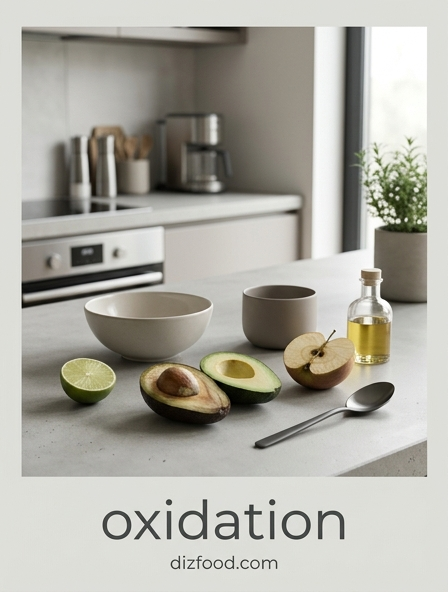
The Science of Oil Oxidation Explained
Oxidation is a chemical reaction that occurs when the unsaturated fatty acids in cooking oils interact with oxygen. This process leads to the degradation of the oil's molecular structure, resulting in the formation of hydroperoxides. As these compounds break down further, they produce secondary oxidation products like aldehydes, ketones, and alcohols, which are responsible for off-flavors and unpleasant aromas. The rate of this reaction is significantly influenced by the level of unsaturation in the oil; polyunsaturated fats, such as those found in grape seed or flaxseed oil, possess multiple double bonds that act as easy targets for oxygen molecules.
Once the oxidation process begins, it follows a self-propagating chain reaction consisting of three stages: initiation, propagation, and termination. During initiation, free radicals are formed due to exposure to external catalysts. In the propagation phase, these radicals react with oxygen to create more radicals, rapidly spreading throughout the liquid. This science explains why even a small amount of "damaged" oil can quickly compromise the quality of the entire container, eventually leading to the loss of nutritional value and the development of harmful compounds.
Best Storage Containers for Cooking Oils
The material and design of your oil container play a pivotal role in preventing premature spoilage. Oxygen permeability and light filtration are the two primary factors to consider when selecting storage vessels. While clear plastic bottles are common in grocery stores, they offer the least protection against the environment. For long-term kitchen use, professional chefs and food scientists recommend materials that act as a total barrier to the elements.
- Dark Tinted Glass: Amber or forest green glass blocks UV rays that trigger photo-oxidation while remaining non-reactive.
- Stainless Steel: This provides an absolute light block and is highly durable, though it must be high-grade to prevent metallic leaching.
- Ceramic Crocks: These offer excellent insulation from temperature fluctuations and complete darkness, provided they have a tight seal.
- Tinplate Containers: Often used for premium olive oils, these are lightweight and provide a complete barrier against both light and air.
Regardless of the material, the sealing mechanism is critical. A high-quality container should feature a gasketed screw cap or a tight-fitting stopper to ensure that atmospheric oxygen cannot seep in during periods of non-use.
Ideal Temperature for Preserving Oil Quality
Temperature is a primary catalyst for the oxidative rancidity of kitchen fats. As heat increases, the kinetic energy within the oil molecules rises, causing them to react more frequently with any available oxygen. Sustained exposure to warmth, such as keeping oil near a stovetop or oven, can double the rate of oxidation for every ten-degree Celsius increase. Maintaining a consistent, cool environment is essential for extending the shelf life of both refined and unrefined oils.
| Oil Type | Optimal Storage Temp | Maximum Shelf Life |
|---|---|---|
| Refined Vegetable Oil | 60°F - 70°F | 12 Months |
| Extra Virgin Olive Oil | 55°F - 65°F | 18 Months |
| Nut & Seed Oils | 35°F - 45°F (Fridge) | 6 Months |
Fluctuating temperatures are just as damaging as high heat. The constant expansion and contraction of the oil can draw fresh air into the bottle through the cap, introducing new oxygen to the liquid. For most pantry staples, a cool, dark cupboard located far from the kitchen's heat-generating appliances serves as the most effective environment for maintaining chemical stability.
Protecting Healthy Fats from Light Exposure
Light exposure triggers a specific type of degradation known as photo-oxidation. When photons strike the oil, they energize certain sensitizers, such as chlorophyll in extra virgin olive oil or riboflavin in other fats. These energized particles then react with oxygen to create "singlet oxygen," a highly reactive form of the molecule that attacks fatty acid chains with extreme speed. This process can occur even at room temperature and is often more aggressive than thermal oxidation alone.
To mitigate this risk, storage solutions must prioritize opacity. If you purchase oil in clear plastic or glass, it is a best practice to wrap the bottle in foil or transfer the contents to an opaque dispenser. Professional kitchens often utilize "under-counter" storage to ensure that fluorescent overhead lighting does not impact the ingredients. Even a few days of exposure to direct sunlight on a windowsill can significantly deplete the antioxidant levels, such as Vitamin E and polyphenols, that naturally protect the oil and provide its health benefits. By keeping fats in total darkness, you preserve their delicate flavor profiles and nutritional integrity.
How Oxygen Affects Your Kitchen Staples
Oxygen is the most persistent enemy of freshness in the kitchen. The moment a bottle of oil is opened, the atmospheric pressure forces air into the "headspace"-the empty area between the liquid and the cap. This air contains approximately 21% oxygen, which immediately begins to dissolve into the surface layer of the oil. This surface-level interaction is where the degradation starts, slowly working its way down through the rest of the volume via molecular diffusion.
- Initial Contact: Oxygen molecules bind to the carbon-carbon double bonds of the fats.
- Radical Formation: The chemical bonds break, creating volatile free radicals.
- Byproduct Accumulation: The oil begins to produce peroxide values that indicate early-stage spoilage.
- Sensory Shift: The chemical composition changes enough that the human nose can detect "cardboard" or "stale" notes.
To combat this, minimizing the frequency and duration of the bottle being open is essential. Every time the cap is removed, the air inside the headspace is refreshed, providing a new supply of oxygen to continue the destructive cycle. Using specialized pourers with gravity-weighted flaps can help reduce the volume of air exchange during daily use.
Signs Your Cooking Oil Has Gone Rancid
Identifying rancidity is a vital skill for maintaining food quality and safety. Rancid oil is not just unpalatable; it contains oxidized compounds that can cause inflammation and digestive distress. Because the change happens gradually, it is important to perform regular sensory checks on oils that have been open for more than a few months. Your senses of smell and taste are the most reliable tools for detecting the chemical shift from fresh to spoiled.
- Odor: Look for scents reminiscent of wet cardboard, pencil shavings, old peanuts, or even a metallic, paint-like aroma.
- Flavor: Spoiled oil will taste bitter, soapy, or uncharacteristically sharp on the back of the throat, lacking its original fruity or nutty notes.
- Texture: As oil oxidizes, it can become noticeably more viscous or "tacky" to the touch, especially around the rim of the bottle.
- Appearance: A significant darkening in color or a cloudy, hazy appearance that does not clear at room temperature can indicate advanced degradation.
If an oil exhibits any of these characteristics, it has reached the "termination" phase of oxidation. At this point, the oil should be discarded, as the chemical damage is irreversible and will ruin the flavor of any dish it touches.
Choosing the Right Bottle Size for Freshness
While purchasing large jugs of oil might seem economical, it is often counterproductive to maintaining freshness. The ratio of surface area to total volume is a major factor in how quickly an oil oxidizes. In a large, half-empty container, there is a massive amount of oxygen trapped in the headspace, which accelerates the spoilage of the remaining liquid. For home cooks who do not use oil rapidly, smaller bottles are the superior choice.
By selecting smaller 250ml or 500ml bottles, you ensure that the oil is consumed within its "peak freshness" window, typically within 30 to 60 days of opening. If you must buy in bulk, consider decanting the oil into several smaller, dark glass bottles filled nearly to the top. This "topping off" method reduces the amount of air trapped inside each container. This strategy effectively pauses the oxidation clock for the secondary bottles until they are ready to be used. Ultimately, the cost savings of bulk buying are lost if half the product becomes rancid and must be thrown away due to poor oxygen management.
Smart Pantry Placement for Maximum Shelf Life
The location where you store your oils can be just as important as the container itself. Most modern kitchens are designed for convenience, often placing spice racks and oil storage within reach of the stovetop. However, this is the most detrimental location for oil stability. The heat generated by burners, ovens, and dishwashers creates a micro-climate of fluctuating temperatures that rapidly degrades fat molecules. A "smart" pantry strategy involves identifying the coolest, darkest spots in your kitchen.
- Avoid Upper Cabinets: Heat rises, making higher shelves significantly warmer than lower ones.
- Keep Away from Appliances: Ensure oils are not stored in cabinets adjacent to the oven, dishwasher, or refrigerator exhaust.
- Lower Ground Level: The bottom shelf of a pantry or a floor-level cabinet is usually the most temperature-stable environment.
- Distance from Sinks: High humidity can lead to moisture contamination if lids are not perfectly sealed, which promotes microbial growth.
Organizing your kitchen so that only a small "working bottle" is near the prep station, while the main supply remains in a climate-controlled pantry, strikes the perfect balance between culinary convenience and chemical preservation.
Refrigerating Delicate Nut and Seed Oils
Delicate oils such as walnut, hazelnut, flaxseed, and pumpkin seed are extremely high in polyunsaturated fatty acids. These oils are exceptionally sensitive to oxidation and can turn rancid within weeks if left at room temperature. For these specific fats, refrigeration is not just recommended; it is essential. The cold temperature of a standard refrigerator (around 40°F) significantly slows the molecular movement and chemical reactions that lead to spoilage, extending the usable life of these expensive ingredients by several months.
It is important to note that many oils will undergo "winterization" or clouding when refrigerated. This is a natural process where the waxes and long-chain fatty acids solidify. For example, olive oil may turn into a thick, butter-like consistency. This does not indicate spoilage; simply let the bottle sit at room temperature for 15 to 20 minutes before use, and it will return to its liquid state with its flavor profile intact. Because nut oils are often used for finishing rather than high-heat cooking, preserving their pristine, unoxidized flavor through refrigeration is the best way to ensure the quality of your salads and dressings.
Best Practices for Maintaining Oil Flavor
Maintaining the flavor of high-quality oil requires a combination of proper storage and disciplined kitchen habits. Beyond controlling light, heat, and air, preventing cross-contamination and managing "bottle hygiene" are vital steps. Over time, oil residue on the outside of the cap or the pouring lip can oxidize rapidly because it is exposed to maximum air and light. This small amount of rancid residue can then contaminate the fresh oil as it is poured out of the bottle.
- Wipe the Rim: Use a clean cloth to remove drips from the bottle neck after every use to prevent sticky, rancid buildup.
- Tighten Immediately: Never leave the cap off while cooking; close it the moment you finish pouring.
- Monitor Dates: Track both the "harvest date" (for olive oil) and the "opened on" date to ensure you use the product while it is fresh.
- Avoid Steam: Never hold an open bottle directly over a steaming pot, as moisture can enter the bottle and trigger hydrolytic rancidity.
By following these simple procedural steps, you can ensure that every drop of oil retains its intended flavor profile, enhancing your cooking rather than introducing off-notes caused by preventable oxidation.

Comments