
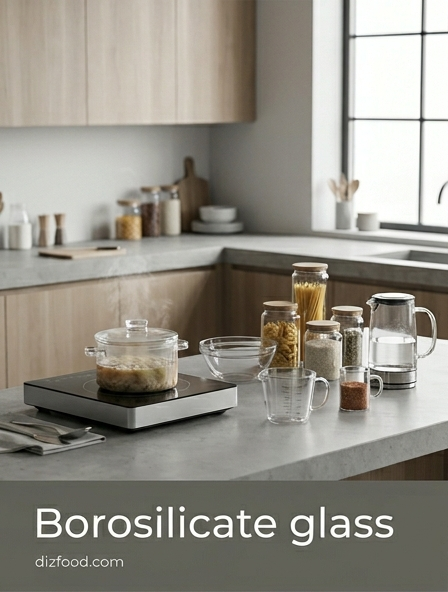
Why Borosilicate Glass Outperforms Plastic for Pantry Storage
In the realm of kitchen organization, borosilicate glass has emerged as the premier choice over traditional plastic containers. Unlike plastic, which is petroleum-based and porous, borosilicate glass provides a completely non-porous surface that does not absorb food colors, oils, or pungent odors. This ensures that a container used for spicy chili one day can be used for delicate flour the next without any flavor transfer. Furthermore, plastic containers are prone to scratching and clouding over time, creating microscopic crevices where bacteria can thrive. Borosilicate glass remains crystal clear and smooth throughout its lifespan, offering a more hygienic environment for dry goods.
- Superior resistance to permanent staining from acidic foods.
- Elimination of microplastic shedding into stored ingredients.
- Enhanced structural integrity that prevents warping in high-heat dishwashers.
- Better aesthetic appeal for open-shelving pantry designs.
The transition to glass also represents a commitment to food quality. While plastic may leach chemicals when exposed to temperature fluctuations, borosilicate glass remains chemically stable, ensuring that the nutritional profile and taste of your pantry staples remain exactly as the producer intended.
The Science Behind Non-Reactive Food Storage Materials
The chemical composition of borosilicate glass is what makes it a "non-reactive" powerhouse in the kitchen. It is primarily composed of silica and boron trioxide, which creates a material that is highly resistant to chemical corrosion. In a kitchen context, this is vital because many foods are naturally acidic or alkaline. When these foods come into contact with reactive materials, a chemical exchange can occur, potentially altering the food's molecular structure or safety.
- Chemical Inertness: The glass does not react with salts, acids, or bases common in cooking.
- Surface Density: The tightly packed molecular structure prevents flavor molecules from penetrating the material.
- Elemental Stability: It does not require stabilizers like phthalates or lead to maintain its form.
By utilizing borosilicate glass, you are essentially creating a neutral zone for your ingredients. This science ensures that whether you are storing fermented sourdough starter or highly acidic vinegar-based infusions, the container will never interfere with the chemical balance of the contents. This reliability is why laboratory equipment is almost exclusively made from the same material.
How Thermal Shock Resistance Protects Your Kitchen Essentials
One of the most significant advantages of borosilicate glass is its incredibly low coefficient of thermal expansion. This means it does not expand or contract significantly when subjected to rapid temperature changes. In a busy kitchen, this allows a container to move from a cold freezer directly into a preheated oven or microwave without shattering. Standard glass, by contrast, often fails under these conditions due to the internal stress caused by uneven expansion.
| Feature | Borosilicate Glass | Standard Soda-Lime Glass |
|---|---|---|
| Thermal Expansion | ~3.3 x 10-»-¶/K | ~9.0 x 10-»-¶/K |
| Freezer-to-Oven Safe | Yes | No (Risk of breakage) |
| Durability Level | High Resistance | Moderate Resistance |
This thermal resilience protects your kitchen essentials by reducing the risk of accidental breakage during cleaning or cooking. It provides peace of mind when pouring boiling water into a jar for sterilization or using glass vessels for hot-fill canning processes, making it a versatile tool for various food preservation methods.
Preserving Snack Freshness with Superior Chemical Stability
Crispness and flavor retention in snacks are often compromised by moisture and air infiltration. Borosilicate glass provides an exceptional barrier against environmental factors. Because the material is chemically stable, it does not degrade or become brittle, which allows for a more consistent and tight seal with lids over many years of use. This stability is crucial for maintaining the delicate oils in nuts, the crunch of crackers, and the aromatic potency of dried fruits.
- Prevents oxidative rancidity in high-fat snacks like walnuts.
- Maintains a moisture-controlled environment to prevent soggy textures.
- Protects light-sensitive nutrients when stored in shaded pantries.
- Resists the absorption of external pantry smells like garlic or cleaning agents.
While plastic containers can become "seasoned" with the smells of their previous contents, borosilicate glass resets to a neutral state after every wash. This ensures that your snacks always taste fresh and are free from the "plastic taste" that often plagues food stored in synthetic containers for long periods.
The Health Advantages of Lead-Free and BPA-Free Glassware
The primary concern for many modern households is the hidden presence of toxins in kitchenware. Borosilicate glass is naturally lead-free and BPA-free, providing a safe alternative to plastics and low-quality ceramics. Bisphenol A (BPA) is a synthetic compound found in many plastics that can mimic estrogen and disrupt endocrine functions. Similarly, lead can sometimes be found in the glazes of ceramic jars or the paint of decorative glassware. Borosilicate glass bypasses these risks entirely due to its pure elemental makeup.
- No Endocrine Disruptors: Safe for families with young children and pregnant women.
- Hypoallergenic: Does not leach any metallic or chemical allergens into food.
- Sanitization: Can be boiled or steamed at high temperatures without releasing toxins.
Choosing lead-free and BPA-free borosilicate containers is a proactive step in reducing the body's total toxic load. Because the material is non-leaching, it serves as a "forever" material that remains as safe on day 1,000 as it was on day 1. This health-first approach ensures that the purity of your organic grains and pulses is never compromised by the vessel holding them.
Maintaining Pure Flavor Integrity in Stored Dry Goods
Serious cooks understand that the quality of a dish is determined by the integrity of its ingredients. Dry goods such as whole-bean coffee, loose-leaf teas, and exotic spices are highly sensitive to their environment. Borosilicate glass is the gold standard for maintaining the "flavor profile" of these items. Because it is non-porous and non-reactive, there is no chemical interaction between the glass walls and the volatile oils that give spices and coffee their aroma.
- Aroma Containment: Keeps strong scents like cumin or star anise from escaping.
- Purity: Prevents the "stale" flavor associated with plastic-stored flour or grains.
- Texture Preservation: Keeps sugars and salts from clumping by blocking humidity.
When you store high-quality ingredients in borosilicate glass, you are essentially "locking in" the harvest-time freshness. The transparency also allows you to monitor the condition of the goods, ensuring that they haven't been affected by pests or moisture. This integrity is essential for achieving professional-level results in home baking and cooking.
Maximum Durability for Long-Term Pantry Organization
Investing in borosilicate glass is a move toward long-term kitchen durability. While it is still glass and can break if dropped on a hard surface, its specialized composition makes it much more resistant to mechanical stress and scratching than standard glass. In a high-traffic kitchen, containers are frequently shifted, stacked, and cleaned. Borosilicate glass withstands this "wear and tear" without developing the surface abrasions that eventually make other materials look old and dirty.
- Scratch Resistance: Maintains a smooth surface even with metal scoop usage.
- Impact Tolerance: Higher resistance to minor bumps against granite countertops.
- Longevity: Does not yellow, cloud, or become brittle over decades of use.
- Dishwasher Safe: Can withstand the highest heat and chemical cycles of modern dishwashers.
The durability of this material makes it a cost-effective choice in the long run. Rather than replacing stained or warped plastic sets every few years, a single set of borosilicate containers can last a lifetime. This makes it the cornerstone of a sustainable, well-organized pantry that functions as well as it looks.
Visual Clarity for Efficient Kitchen Inventory Management
Efficiency in the kitchen starts with visibility. Borosilicate glass is renowned for its high refractive index and clarity, which is superior to many types of plastic and cheaper glass. This high level of transparency allows home cooks to see exactly how much of an ingredient is left at a single glance. Efficient inventory management prevents the common mistake of over-purchasing staples you already have or running out of a critical ingredient mid-recipe.
- Instantly identify different types of flour or grains without opening lids.
- Visually assess the freshness and color of dried herbs and spices.
- Create an organized, "zero-waste" aesthetic that encourages home cooking.
- Reduce time spent searching through opaque bins or cluttered packaging.
Furthermore, the clear nature of the glass makes it easier to spot signs of spoilage or pantry pests like weevils before they spread to other containers. By turning your ingredients into a visual display, borosilicate glass makes the pantry a source of inspiration rather than a chore to manage.
Comparing Borosilicate to Standard Soda-Lime Glass Containers
Many consumers assume all glass is created equal, but the differences between borosilicate and standard soda-lime glass are profound. Soda-lime glass is the most common type used for jars and bottles; it is cheaper to produce but far more sensitive to temperature changes. Borosilicate glass incorporates at least 5% boric oxide, which fundamentally changes how the glass handles stress and heat.
| Attribute | Borosilicate | Soda-Lime |
|---|---|---|
| Key Ingredient | Boron Trioxide | Soda/Lime/Silica |
| Thermal Shock Max | Up to 170°C change | Approx 40°C change |
| Weight | Lighter and Thinner | Heavier and Thicker |
| Primary Use | Labware / Premium Cookware | Beverage Bottles / Food Jars |
While soda-lime glass is perfectly fine for basic room-temperature storage, it lacks the versatility of borosilicate. The latter's ability to be molded into thinner, lighter shapes while maintaining superior strength makes it more ergonomic for daily kitchen use.
Eco-Friendly Benefits of Transitioning to Permanent Glass Storage
Transitioning to borosilicate glass is one of the most effective ways to reduce a household's environmental footprint. Plastic storage containers, even those marketed as "durable," eventually end up in landfills where they take hundreds of years to decompose. Even worse, they often break down into microplastics that contaminate the water supply. Borosilicate glass, being a "permanent" material, eliminates the need for the constant cycle of buying and discarding plastic.
- Reduced Waste: One glass jar replaces dozens of single-use plastic bags over its life.
- Recyclability: Glass is a 100% recyclable material that can be processed indefinitely.
- Sustainable Sourcing: Glass is made from abundant natural raw materials like sand.
By investing in high-quality glassware, you are participating in the "circular economy." Borosilicate glass containers are often compatible with bulk-buying habits, allowing consumers to bring their own vessels to zero-waste grocery stores. This reduces the demand for packaged goods and helps lower the overall carbon footprint associated with food distribution and waste management.

Comments