
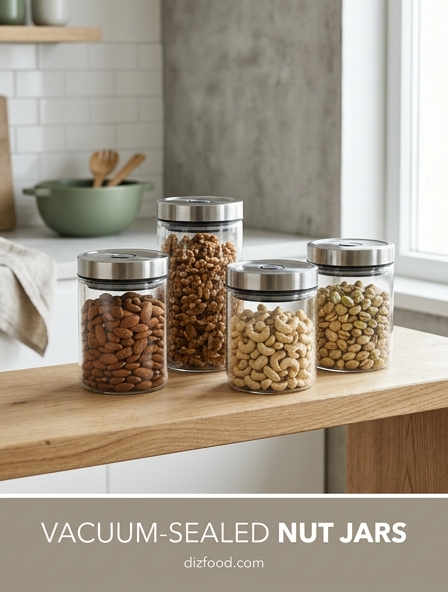
If you're a serious nut enthusiast, you know that maintaining that perfect crunch is all about fighting oxidation. Vacuum-sealed nut jars are the ultimate investment because they actively remove air, the primary culprit behind rancidity and stale flavors. By creating an airtight environment, these specialized containers preserve the natural oils and nutritional value of your favorite almonds, walnuts, and cashews for significantly longer periods. Investing in quality storage means less food waste and consistently delicious snacking every time you open the lid. For those looking to upgrade their kitchen organization, it's worth weighing the pros and cons of vacuum sealed nut jars vs plastic pantry bins.
The Science of Nut Oxidation and Rancidity
Nuts are high in unsaturated fats, which makes them susceptible to a chemical process known as lipid oxidation. When exposed to oxygen, the double bonds in these fats break down, producing free radicals and volatile compounds like aldehydes and ketones. This chemical shift is what creates the "off" smell and bitter taste associated with rancidity. Unlike many other pantry items, the high oil content in walnuts, pecans, and pine nuts acts as a catalyst for rapid degradation if left in open air.
Vacuum-sealed jars mitigate this process by removing the primary reactant: oxygen. By creating a low-pressure environment, the rate of oxidative stress on the lipid molecules is significantly reduced. To understand the vulnerability of different nuts, consider the following list of fat-heavy varieties that require immediate vacuum sealing:
- Walnuts: Extremely high in polyunsaturated fats, oxidizing faster than most.
- Pine Nuts: Delicate oils that turn metallic and bitter within weeks of exposure.
- Pecans: High oil content that absorbs surrounding kitchen odors quickly.
- Macadamias: High monounsaturated fat levels that benefit from stabilized environments.
Preserving Peak Flavor and Signature Crunch
The sensory experience of eating nuts is defined by two primary factors: the volatile aromatic compounds that provide flavor and the cellular structure that provides the "crunch." Moisture is the enemy of texture; nuts are hygroscopic, meaning they readily absorb water vapor from the kitchen air. When a nut absorbs moisture, its rigid cell walls soften, leading to a stale, chewy consistency that ruins the snacking experience.
Vacuum technology works twofold by removing existing humid air and preventing new moisture from entering. This maintains the internal pressure and dryness required to keep the nut's structure brittle. Furthermore, because vacuum sealing locks in volatile oils, the flavor profile remains "harvest-fresh" rather than fading into a generic, dusty taste. Follow these steps to maximize sensory preservation:
- Dry-roast nuts lightly to remove surface moisture before sealing.
- Allow nuts to reach room temperature to prevent condensation inside the jar.
- Activate the vacuum pump until the indicator shows a complete seal.
- Store the jar in a cool, dark place to prevent light-induced flavor changes.
How Vacuum Sealing Protects Vital Nutrients
Beyond taste, nuts are nutritional powerhouses filled with Vitamin E, magnesium, and Omega-3 fatty acids. However, these nutrients are chemically fragile. Vitamin E, specifically, is a potent antioxidant that sacrifices itself to protect the nut's fats from oxidation. If the nut is stored in a standard jar, the Vitamin E content depletes as it works to fight off the oxygen inside the container, eventually leaving the consumer with a nutritionally hollow snack.
By using vacuum-sealed glass jars, you effectively pause the degradation of these bioactive compounds. This ensures that the heart-healthy benefits of the fats remain intact until the moment of consumption. The following table illustrates the comparative protection levels for key nutrients found in common kitchen nuts when vacuum technology is applied versus traditional open-air storage:
| Nutrient | Traditional Storage Impact | Vacuum Seal Benefit |
|---|---|---|
| Vitamin E | Rapid depletion through oxidation | Maintains 90%+ potency over time |
| Omega-3s | Breakdown into unhealthy trans-fats | Preserves molecular integrity |
| Antioxidants | Neutralized by ambient oxygen | Remains active for cellular health |
Maximizing Shelf Life for Bulk Pantry Snacking
Buying nuts in bulk is a common strategy for healthy households, but it often leads to waste when the bottom of the bag goes stale. Bulk-purchased nuts are frequently sold in thin plastic film that is semi-permeable to oxygen and moisture. Transferring these into a vacuum-sealed jar system transforms a three-month shelf life into a year-long window of freshness. This is particularly useful for seasonal nuts like chestnuts or holiday pecans that are not used daily.
To successfully manage a bulk inventory, it is essential to utilize a rotation system. Vacuum jars allow you to see the contents clearly while keeping the majority of the stash protected. By dividing large quantities into several smaller vacuum jars, you ensure that only a small portion is exposed to air during daily snacking, while the reserve remains in a pristine, oxygen-free state. This "batching" approach is the most efficient way to maintain a diverse and fresh pantry without the pressure of consuming large quantities quickly.
Eliminating Moisture Damage and Kitchen Pests
Kitchen environments are naturally high in humidity due to cooking vapors and steam. This moisture can lead to the growth of invisible molds, such as Aspergillus, which can produce harmful aflatoxins on nuts. Traditional screw-top jars often have microscopic gaps in the threading that allow humid air to seep in over time. A vacuum-sealed jar creates a hermetic barrier that is physically impossible for moisture or microscopic spores to penetrate once the air is evacuated.
Furthermore, pantry pests like Indian meal moths and weevils are attracted to the scent of nut oils. These insects can chew through plastic bags and squeeze through the loose seals of standard containers. Vacuum sealing removes the scent trails that attract these pests and creates a pressurized environment that is inhospitable to life. By removing the air, you eliminate the possibility of any dormant eggs hatching, ensuring your expensive Macadamias or Cashews remain uninfested and hygienic throughout their storage duration.
Sustainable Storage Solutions for Zero Waste
The modern kitchen is shifting away from single-use plastics and toward durable, reusable systems. Vacuum-sealed glass jars represent the pinnacle of sustainable food storage. Unlike plastic containers, glass is non-porous and does not leach chemicals like BPA or phthalates into the high-fat content of nuts. Furthermore, glass does not retain the odors of previous contents, allowing you to switch from spicy roasted almonds to raw walnuts without flavor contamination.
Adopting a vacuum system encourages a zero-waste lifestyle by allowing consumers to utilize bulk-refill stations at grocery stores. By eliminating the need for pre-packaged, nitrogen-flushed plastic pouches, you significantly reduce your household's carbon footprint. To implement a sustainable storage routine, consider these practices:
- Invest in high-quality borosilicate glass jars that withstand temperature shifts.
- Use manual hand pumps to reduce electricity consumption for sealing.
- Label jars with chalk markers to avoid adhesive plastic waste.
- Clean and reuse seals and gaskets to extend the life of the hardware.
Comparing Traditional Jars to Vacuum Technology
While a standard mason jar or decorative canister might look organized, they offer limited protection against the elements. A traditional jar traps a significant volume of "headspace" air inside with the food. Even if the lid is tight, that trapped oxygen immediately begins reacting with the nuts. In contrast, vacuum-sealed jars utilize a specialized valve system that allows a pump to extract the headspace air, creating a negative pressure environment that pulls the lid down into a tighter, more secure bond than human hands can achieve.
The difference in performance is measurable and significant for high-fat kitchen staples. Traditional storage relies on a physical barrier alone, whereas vacuum technology provides an active preservation environment. Below is a comparison of performance metrics between these two common kitchen storage methods:
| Feature | Standard Screw-Top | Vacuum-Sealed Jar |
|---|---|---|
| Oxygen Removal | None (trapped inside) | 95% to 99% Removal | Variable/Moderate | Hermetic/Absolute |
| Seal Verification | Visual/Tactile check only | Pressure indicator/Dimple |
The Financial Benefits of Better Preservation
Nuts are among the most expensive items in the pantry. When a bag of pine nuts or walnuts goes rancid, the financial loss is substantial. By investing in vacuum-sealing hardware, you are effectively buying "food insurance." The initial cost of the jars and pump is typically recouped within the first six months of use by eliminating food waste. Furthermore, it empowers the shopper to take advantage of deep discounts on bulk quantities, which can be 30% to 50% cheaper than small, convenience-sized portions.
Consider the cumulative savings of a household that consumes two pounds of nuts per month. By preventing the 15-20% waste typically caused by staling and rancidity, the savings add up to hundreds of dollars annually. Additionally, because the nuts stay fresh longer, there are fewer "emergency" trips to the grocery store, saving both fuel and time. Proper preservation turns a volatile, perishable luxury into a stable, cost-effective pantry staple that is always ready for use in recipes or as a healthy snack.
Organizing a Modern Kitchen Snacking Station
A well-organized kitchen relies on visibility and accessibility. Vacuum-sealed glass jars provide a clean, uniform aesthetic that turns a messy pantry into a professional-grade snacking station. Because the vacuum process requires a flat, clean surface for the seal, these jars are typically designed with stackability in mind, maximizing vertical space in cabinets or on countertops. Clear glass allows you to monitor inventory levels at a glance, preventing the "double-buy" error where you purchase more almonds simply because you couldn't see the existing supply.
To create an efficient snacking station, use the following organizational tips:
- Group jars by frequency of use: daily snacks at eye level, baking nuts higher up.
- Use uniform jar sizes to create a cohesive, streamlined visual look.
- Place the vacuum pump in a dedicated drawer or on a magnetic hook nearby.
- Categorize by nut type: raw, roasted, and seasoned varieties in separate zones.
Why Airtight Seals Matter for Delicate Fats
Not all fats are created equal. The delicate polyunsaturated fatty acids (PUFAs) found in nuts are highly reactive. Unlike saturated fats found in coconut oil or lard, which are stable at room temperature, the fats in walnuts and flaxseeds are "active" and ready to bond with oxygen. An airtight seal is not just about keeping air out; it is about maintaining a static environment where the chemistry of the food cannot change. This is especially vital in warm kitchen environments where heat acts as another accelerant for spoilage.
A truly airtight seal, achieved through vacuum pressure, ensures that the specific ratio of Omega-3 to Omega-6 fatty acids remains unchanged. When these fats are exposed to air, they don't just taste bad; they can become pro-inflammatory. Therefore, the vacuum seal serves a health function as much as a culinary one. By prioritizing a high-pressure seal, you protect the most "delicate" parts of your diet from the destructive forces of the ambient environment, ensuring every handful of nuts provides the clean, healthy fuel your body expects.

Comments