
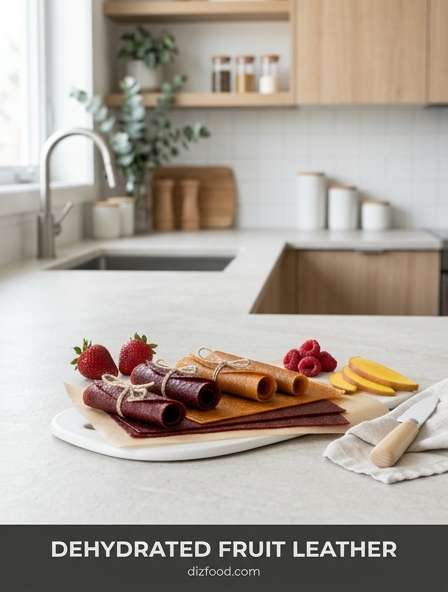
Eliminating Hidden Additives and Preservatives
Commercial fruit leathers are often marketed as healthy snacks, yet a closer look at the ingredient label frequently reveals a host of hidden additives and chemical preservatives. When manufacturing fruit snacks for a long shelf life, companies often utilize sulfur dioxide to prevent browning and maintain an artificial brightness. Other common additives include potassium sorbate and sodium benzoate, which serve as mold inhibitors but can affect the overall purity of the food. By preparing dehydrated fruit leather at home, you regain total control over the preservation process. Instead of synthetic chemicals, home cooks can use natural antioxidants like lemon or lime juice to maintain color and freshness. The dehydration process itself acts as the primary preservative by removing the moisture that bacteria and mold require to thrive. This method ensures that the final product is a clean, whole-food snack. Eliminating these hidden substances reduces the toxic load on the body and allows the authentic, vibrant flavor of the fruit to take center stage without the chemical aftertaste associated with mass-produced alternatives.
Maximizing Natural Nutrients Through Dehydration
Maximizing the nutritional profile of fruit leather depends heavily on the temperature and duration of the dehydration process. Unlike high-heat industrial drying, which can degrade sensitive micronutrients, home dehydration allows for precise control. Setting a food dehydrator to approximately 135°F (57°C) preserves the structural integrity of vital vitamins, particularly Vitamin C and various B vitamins that are prone to heat damage. Because the process involves removing water, the nutrients that remain are highly concentrated, meaning a small strip of leather provides a dense dose of antioxidants and minerals. Furthermore, the skin of the fruit, which is often discarded in commercial juices but included in homemade purees, contains significant levels of phytonutrients and polyphenols. These compounds are essential for fighting oxidative stress. By utilizing gentle, low-temperature drying, you ensure that the enzymes and bioactive components of the fruit remain bioavailable. This transformation from fresh fruit to leather creates a convenient, shelf-stable format that retains nearly all the nutritional benefits of the raw ingredients while enhancing their flavor profile through concentration.
Controlling Sugar Intake with Pure Fruit
One of the primary health concerns with store-bought fruit snacks is the excessive use of added sugars, including high-fructose corn syrup, maltodextrin, and cane sugar. These additions are often used to mask the flavor of low-quality fruit or to create a gummy, candy-like texture. When you prepare dehydrated fruit leather in your own kitchen, you can rely exclusively on the natural fructose found within the fruit itself. Selecting peak-season, fully ripe fruit ensures the leather will be naturally sweet without any supplemental sweeteners. For fruits that are naturally tart, such as cranberries or rhubarb, sweetness can be balanced by blending them with naturally sugary bases like ripe bananas, pears, or apples. This approach allows for a significant reduction in caloric density while preventing the insulin spikes associated with refined sugars. Controlling the sugar content is particularly beneficial for children and individuals monitoring their glycemic intake. By focusing on pure fruit purees, you create a snack that satisfies sweet cravings through complex carbohydrates and natural sugars, providing a much healthier alternative to processed confectionery items.
The Benefits of High Fiber Snacking
High fiber snacking is essential for digestive health and sustained satiety, and dehydrated fruit leather is an excellent medium for delivering this nutrient. Unlike fruit juices, which strip away the fibrous pulp, fruit leather is made from whole fruit purees. This means both soluble and insoluble fibers are retained in the final product. Soluble fiber, such as the pectin found in apples and citrus, helps to regulate blood sugar levels and lower cholesterol. Insoluble fiber, found in the skins and seeds of berries, aids in regular digestion and prevents constipation. Incorporating a variety of fruits into your leather can provide a diverse fiber profile.
- Apples and Pears: Rich in pectin for heart health and blood sugar regulation.
- Berries: High in insoluble fiber and tiny seeds that aid digestive regularity.
- Stone Fruits: Provide a balance of both fiber types to support a healthy gut microbiome.
The dense fiber content in fruit leather slows down the digestion of the fruit's natural sugars, providing a steady release of energy and keeping you feeling full for longer periods compared to low-fiber snacks.
Avoiding Artificial Colors and Flavors
The vivid colors of commercial fruit snacks are frequently the result of synthetic dyes such as Red 40, Yellow 5, or Blue 1. These artificial colors have been the subject of scrutiny regarding their impact on child behavior and potential allergenicity. When making fruit leather at home, these chemicals are entirely unnecessary. The natural pigments found in fruit, such as anthocyanins in blueberries, lycopene in watermelon, and carotenoids in mangoes and carrots, provide a stunning palette of colors that are visually appealing and nutritionally beneficial. These natural pigments double as powerful antioxidants that support eye health and immune function. Artificial flavors are also avoided; the dehydration process naturally intensifies the fruit's essence, creating a concentrated burst of flavor that synthetic chemicals cannot accurately replicate. By relying on the inherent qualities of fresh produce, you ensure that every bite is free from laboratory-created additives. This results in a cleaner taste profile and a snack that is as beautiful as it is healthy, showcasing the true aesthetic of nature.
Customizing Blends for Personal Health Needs
Customizing fruit leather blends allows you to tailor your snacks to specific dietary goals or health requirements. The kitchen serves as a laboratory where you can fortify your fruit purees with functional ingredients that are rarely found in commercial products. For instance, those looking to increase their intake of Omega-3 fatty acids can stir chia seeds or ground flaxseeds into the puree before drying. To combat inflammation, a teaspoon of freshly grated ginger or turmeric can be added to a mango or pineapple base. This customization ensures that your snacks are not just empty calories, but targeted tools for maintaining your personal well-being.
- The Iron Booster: Blend spinach, green apple, and lemon for a nutrient-dense snack.
- The Omega Blend: Combine strawberry, banana, and chia seeds for healthy fats.
- The Immunity Strip: Mix orange, carrot, and ginger to support seasonal wellness.
By experimenting with these combinations, you can address personal nutritional deficiencies while enjoying flavors designed specifically for your palate.
Cost Effective Healthy Snacking Solutions
Creating healthy snacks on a budget is a significant advantage of homemade fruit leather. Commercial organic fruit snacks are often priced at a premium, sometimes costing several dollars for a single small serving. In contrast, making your own is highly cost-effective, especially when you leverage smart shopping habits. Using "ugly" fruit or produce that is slightly bruised and discounted at the farmer's market is ideal for pureeing, as the appearance of the raw fruit does not affect the quality of the leather. Buying seasonal fruit in bulk during its peak harvest allows for the lowest possible prices per pound.
- Purchase frozen fruit in bulk when fresh prices are high to maintain low costs year-round.
- Utilize backyard harvests or community garden surpluses that might otherwise go to waste.
- Dry large batches at once to optimize the energy usage of the dehydrator or oven.
By taking advantage of these methods, the cost per ounce of homemade leather is significantly lower than store-bought varieties, making nutritious snacking accessible and sustainable for any household budget.
Comparing Homemade Leather to Store Bought
Understanding the differences between homemade and store-bought fruit leather is essential for making informed dietary choices. While convenience is the primary driver for purchasing pre-packaged snacks, the quality trade-off is often substantial. Homemade versions prioritize whole ingredients and nutrient retention, whereas commercial products prioritize shelf stability and uniform texture through the use of thickeners like starch or gelatin.
| Feature | Homemade Leather | Store-Bought Leather |
|---|---|---|
| Ingredients | 100% Fruit + Natural Spices | Puree, Sugars, Starches, Dyes |
| Preservatives | None (or Lemon Juice) | Sulfites, Potassium Sorbate |
| Fiber Content | High (Whole Fruit Used) | Variable (Often Strained) |
| Cost | Low (Bulk/Seasonal) | High (Per Ounce) |
The table illustrates that while store-bought options save time, homemade leather offers superior nutritional value and economic benefits, providing a cleaner snack for the health-conscious consumer.
Safe Snacking for Dietary Restrictions
For individuals with severe dietary restrictions or food allergies, the kitchen can be a place of uncertainty when dealing with processed foods. Many commercial fruit snacks are processed in facilities that also handle gluten, soy, dairy, or nuts, leading to a risk of cross-contamination. By dehydrating fruit leather at home, you eliminate these risks entirely. You have full control over the environment and every ingredient that enters the blender. This is particularly important for those with Celiac disease or severe nut allergies. Furthermore, homemade fruit leather is inherently vegan and paleo-friendly, making it a versatile snack for various dietary lifestyles. You can ensure that no hidden gluten-based thickeners or dairy-derived flavorings are present. This peace of mind is invaluable for parents of children with allergies. Having a stockpile of safe, allergen-free fruit leather ensures that there is always a healthy option available for school lunches or travel, removing the stress of deciphering complex ingredient labels and the fear of accidental exposure to harmful allergens.
Maintaining Optimal Energy with Natural Sugars
Maintaining steady energy levels throughout the day requires a balance of carbohydrates and fiber, which is exactly what dehydrated fruit leather provides. Unlike refined candy or high-sugar energy gels that cause a rapid spike followed by a "crash," the natural sugars in fruit leather are released more gradually into the bloodstream. This is due to the presence of fiber and the complex cellular structure of the fruit that remains intact after low-temperature drying. For athletes, hikers, or busy professionals, fruit leather serves as an ideal portable fuel source. It provides the glucose necessary for brain function and muscle movement without the heavy burden of fats or proteins that can slow down digestion during activity. The concentrated nature of the snack means you can get a significant energy boost from a small, lightweight portion. By choosing fruits with a lower glycemic index, such as berries or stone fruits, you can further optimize this energy release. This makes dehydrated fruit leather a superior choice for maintaining optimal performance and mental clarity during long stretches of physical or cognitive exertion.




Comments