
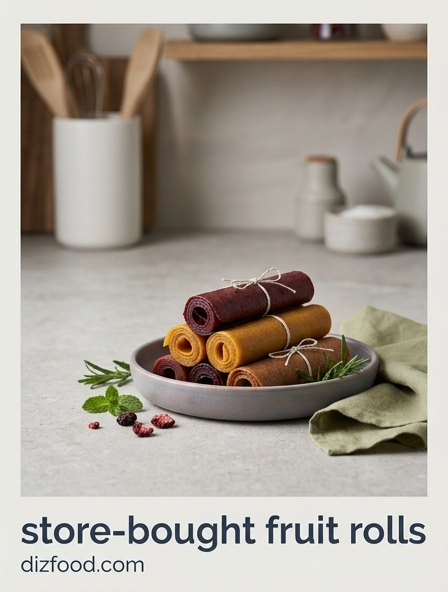
Hidden Sugars in Commercial Fruit Snacks
Commercial fruit rolls are often perceived by consumers as a healthy alternative to candy, yet a closer examination of their nutritional labels reveals a different reality. While these snacks are marketed as containing real fruit, the primary ingredients are frequently various forms of refined sugar. Manufacturers often utilize multiple types of sweeteners to enhance flavor and achieve the desired chewy texture that appeals to children and adults alike.
The complexity of ingredient lists can make it difficult for shoppers to identify the total sugar load. By using diverse naming conventions, companies can prevent any single type of sugar from appearing as the first ingredient on the label. Common sweeteners found in these processed kitchen staples include:
- Corn syrup and dried corn syrup solids
- Maltodextrin and modified corn starch
- Refined white sugar and invert sugar
- Pear or apple juice concentrate (highly concentrated fructose)
These hidden sugars contribute to a high glycemic load, providing quick bursts of energy followed by rapid insulin spikes. Unlike the natural sugars found in whole fruit, these additives lack the buffering effect of fiber, leading to a much faster absorption rate in the bloodstream.
Whole Fruit vs Reconstituted Puree
The manufacturing process of store-bought fruit rolls relies heavily on reconstituted purees rather than whole fruit. When fruit is processed into a puree and then dehydrated, much of the structural integrity of the original produce is lost. Whole fruit contains complex cellular structures that slow down digestion and provide satiety, whereas reconstituted versions are essentially concentrated syrups with minimal structural value.
In the kitchen, the difference between a homemade leather made from blended whole apples and a commercial roll is stark. The industrial version often uses "juice from concentrate" as its base, which removes the pulp and skins where many essential nutrients reside. The following table highlights the differences between these two forms of fruit consumption:
| Feature | Whole Fruit | Reconstituted Puree |
|---|---|---|
| Fiber Content | High and intact | Minimal to none |
| Water Content | Naturally hydrating | Removed during drying |
| Glycemic Index | Low to moderate | Generally high |
Ultimately, the transition from fresh produce to a shelf-stable roll involves significant chemical and physical alterations that compromise the fruit's original nutritional profile.
Preservatives and Synthetic Food Dyes
To maintain shelf-stability and visual appeal in the kitchen pantry for months at a time, commercial fruit rolls are often packed with synthetic additives. Without these chemicals, the natural fruit sugars would oxidize, leading to a brownish, unappealing color and a shorter lifespan. Synthetic dyes are used to mimic the vibrant hues of fresh strawberries, grapes, and oranges, which are often lost during the high-heat manufacturing process.
Beyond aesthetics, preservatives like potassium sorbate and sodium benzoate are frequently added to inhibit mold growth and bacterial contamination. While these are generally recognized as safe by regulatory bodies, many consumers are increasingly concerned about the long-term cumulative effects of synthetic food colorings. Some of the most frequently used dyes in these products include:
- Red 40 (Allura Red AC)
- Yellow 5 (Tartrazine)
- Blue 1 (Brilliant Blue FCF)
- Yellow 6 (Sunset Yellow)
These artificial components serve no nutritional purpose and are strictly utilized for marketing and preservation. Families seeking cleaner diets often find these ingredients to be the primary reason for switching to homemade alternatives or fresh produce snacks.
Fiber Content in Homemade Alternatives
One of the most significant nutritional deficits in store-bought fruit rolls is the absence of dietary fiber. Fiber is essential for digestive health and regulating blood sugar levels. When making fruit leather at home, it is possible to include the skins and pulp of the fruit, ensuring that the final snack retains a portion of its original dietary fiber. This makes the snack more filling and reduces the likelihood of overconsumption.
The process of creating high-fiber snacks in your own kitchen typically follows these steps:
- Selecting ripe, whole fruits including skins when edible.
- Blending the fruit into a thick, consistent mash.
- Spreading the mixture thinly on a silicone mat.
- Dehydrating at a low temperature to preserve fiber strands.
By retaining the skins of fruits like apples, pears, and plums, the homemade version provides insoluble fiber that commercial processing filters out. This structural component helps slow the transit of sugar through the digestive system, providing a steadier release of energy compared to the rapid spikes associated with processed rolls that rely on juice concentrates.
Vitamin Retention and Processing Heat
Industrial production of fruit snacks involves high-temperature extrusion and rapid dehydration. These thermal processes are detrimental to heat-sensitive vitamins, particularly Vitamin C and certain B vitamins. By the time a fruit roll reaches the kitchen shelf, much of its original vitamin content has been degraded. To compensate for this loss, manufacturers often fortify the products with synthetic vitamins, which may not be as bioavailable as those naturally occurring in the fruit.
Vitamin retention depends heavily on the duration and intensity of heat exposure. In a domestic setting, low-temperature dehydration can help mitigate this loss. The following list identifies vitamins most susceptible to damage during the commercial manufacturing of fruit rolls:
- Vitamin C: Highly sensitive to heat and oxygen exposure.
- Thiamin (B1): Breaks down quickly under high temperatures.
- Folate: Easily destroyed during the drying process.
- Vitamin A: Can degrade when exposed to prolonged light and heat.
While a package may claim "100% Daily Value of Vitamin C," this is usually added as ascorbic acid at the end of the process rather than being a natural byproduct of the fruit used in the recipe.
The Role of Natural Sweeteners
When consumers move away from commercial fruit rolls, they often experiment with natural sweeteners to enhance their homemade kitchen creations. Unlike the corn syrups found in store-bought brands, natural sweeteners can provide subtle flavor profiles and, in some cases, trace minerals. However, it is important to remember that even natural sugars should be used in moderation to maintain a balanced diet.
The choice of sweetener can significantly alter the texture and drying time of fruit leather. Some popular options for homemade batches include:
| Sweetener | Nutritional Benefit | Flavor Impact |
|---|---|---|
| Honey | Antioxidants and enzymes | Distinct floral notes |
| Maple Syrup | Manganese and zinc | Rich, earthy sweetness | High fiber and potassium | Caramel-like depth |
Using whole-food sweeteners like dates or bananas provides the most nutritional benefit because they contain fiber. Commercial products rarely utilize these more expensive ingredients, opting instead for cheap, refined liquid sugars that offer zero nutritional upside beyond caloric density.
Caloric Density Comparison
Commercial fruit rolls are highly calorically dense relative to their size and weight. Because the water has been removed and sugars have been concentrated or added, a very small strip can contain a significant number of calories. This can lead to passive overconsumption, as the snack does not trigger the same satiety signals as eating a whole piece of fruit. In the kitchen, a bowl of fresh strawberries may seem much larger and more satisfying than a single rolled-up snack of the same caloric value.
To understand the impact of caloric density, consider these common observations:
- A single fruit roll may have the sugar content of two full servings of fruit.
- The lack of volume means the stomach does not feel physically full.
- Rapid digestion leads to hunger returning shortly after consumption.
This density makes it easy for children to consume multiple rolls in one sitting, leading to an intake of sugar that far exceeds daily recommendations. Comparing the physical volume of 100 calories of fresh grapes versus 100 calories of a processed fruit roll illustrates the stark difference in nutritional efficiency and portion control.
Ingredient Transparency and Labeling
Navigating the labeling of fruit snacks requires a keen eye for marketing tactics. Phrases like "made with real fruit" or "naturally flavored" are often used to distract from the high concentration of additives. In the kitchen, transparency is absolute because the cook controls every element. However, in the grocery aisle, manufacturers use labeling laws to present their products in the best possible light, sometimes bordering on deceptive.
Consumers should follow a specific order when evaluating these products to ensure they are not misled by front-of-package claims:
- Check the ingredient list for sugars appearing in the first three spots.
- Look for the presence of hydrogenated oils or vegetable fats.
- Identify synthetic dyes listed by their color names and numbers.
- Verify if the "fruit" listed is actually just juice concentrate.
Transparency is often lacking when companies group ingredients under vague terms like "natural flavors." These proprietary blends can contain numerous chemical compounds that are not individually disclosed, leaving the consumer in the dark about what they are truly ingesting.
Antioxidant Levels in Fresh Produce
Fresh fruits are rich in antioxidants like polyphenols, flavonoids, and anthocyanins, which help combat oxidative stress in the body. Unfortunately, these delicate compounds are often the first to go during the industrial processing of fruit rolls. The combination of peeling, mashing, high-heat boiling, and long-term storage effectively neutralizes most of the antioxidant capacity that the fruit originally possessed.
When preparing snacks in a home kitchen, minimizing heat and light exposure can help preserve these vital compounds. The following points highlight why fresh produce remains superior for antioxidant intake:
- Skin retention: Many antioxidants are concentrated in the fruit's skin.
- Minimal oxidation: Fresh fruit is eaten before air exposure can degrade its nutrients.
- Enzyme activity: Raw fruits contain live enzymes that aid in digestion and cellular health.
By the time a commercial snack is packaged and shipped, it is nutritionally "flat" compared to a fresh berry or apple. While the roll might provide energy in the form of carbohydrates, it fails to provide the protective biological benefits that come from the complex chemical makeup of fresh, unprocessed produce.
Health Impact of Ultra Processed Snacks
The regular consumption of ultra-processed snacks like store-bought fruit rolls can have long-term implications for metabolic health. These products are designed to be hyper-palatable, which can alter taste preferences, especially in children, making natural, whole fruits seem less appealing by comparison. The high sugar content and sticky texture also pose significant risks to dental health, as the concentrated sugars adhere to tooth enamel, promoting the growth of cavity-causing bacteria.
The systematic replacement of whole foods with processed alternatives in the kitchen pantry is linked to various health outcomes. The table below summarizes the potential impacts of a diet high in these snacks:
| Area of Concern | Potential Impact |
|---|---|
| Dental Health | Increased risk of caries and enamel erosion |
| Metabolic Health | Insulin resistance and weight gain |
| Dietary Habits | Reduced preference for bitter or less-sweet whole foods |
Ultimately, while fruit rolls are convenient, their status as an ultra-processed food places them closer to candy than to the fruit they claim to represent. Prioritizing whole, minimally processed snacks is a more sustainable path toward maintaining overall health and wellness.



Comments