
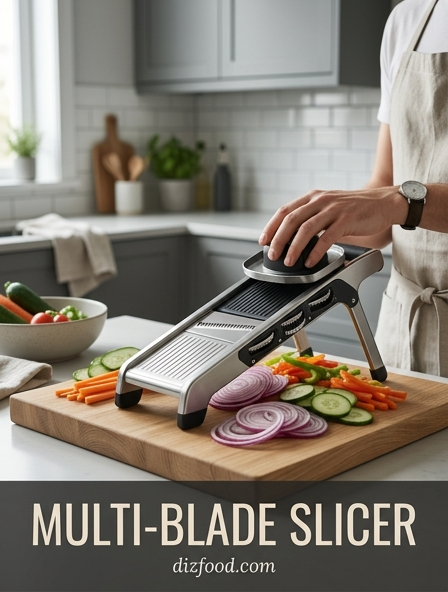
Mastering Kitchen Efficiency with Multi Blade Slicing
Modern culinary environments demand tools that bridge the gap between amateur cooking and professional output. The multi-blade slicer stands at the forefront of this evolution, offering a streamlined approach to ingredient preparation that significantly reduces time spent at the cutting board. By utilizing a fixed array of ultra-sharp blades, these devices allow a single downward motion to perform the work of nearly a dozen individual knife strokes. This mechanical advantage is not merely about speed; it is about the systematic reduction of repetitive labor that often leads to fatigue in busy kitchens.
Integrating these tools into your daily routine transforms the way you approach complex recipes. Whether you are prepping for a large family gathering or managing a small catering event, the ability to process high volumes of produce with minimal effort is invaluable. The efficiency gained allows chefs to focus more on flavor profiles and plating rather than the monotonous task of basic chopping.
- Reduction in manual labor and wrist strain.
- Consistent output for even cooking times.
- Drastic decrease in total preparation duration.
- Simplified handling of bulk produce orders.
Achieving Perfect Wedges Every Single Time
Precision is often the deciding factor between a mediocre dish and a visual masterpiece. When using a standard chef's knife, achieving perfectly symmetrical wedges is a skill that takes years of practice and a steady hand. Multi-blade wedge slicers eliminate this learning curve by providing a fixed geometric guide that ensures every segment is identical in size and shape. This uniformity is particularly crucial when roasting vegetables or fruit, as uneven pieces lead to inconsistent textures and varying levels of doneness.
The engineering behind these slicers ensures that the central core is perfectly isolated while the surrounding flesh is divided into equal portions. To achieve the best results, follow these specific steps to ensure your produce is handled with care and accuracy:
- Select produce that fits within the diameter of the blade housing.
- Place the item vertically on a stable, flat cutting surface.
- Align the center of the slicer with the core of the fruit or vegetable.
- Apply firm, even downward pressure using both handles simultaneously.
- Remove the core and segments for immediate use or storage.
Transforming Snack Prep with High Speed Cutting
The challenge of maintaining a healthy diet often stems from the time required to prepare fresh snacks. Multi-blade slicers revolutionize this process by making the preparation of apples, pears, and citrus fruits nearly instantaneous. Instead of reaching for processed options, users can transform a whole piece of fruit into ready-to-eat wedges in less than five seconds. This high-speed capability is especially beneficial for parents preparing school lunches or athletes needing quick, natural energy sources before a workout.
By removing the friction of preparation, these tools encourage a higher consumption of fresh produce. The speed does not compromise the quality of the cut; the blades are designed to slice through skin and fiber without bruising the delicate interior of the fruit. This preservation of texture ensures that snacks remain crisp and appetizing for longer periods, even when packed in containers for later consumption. Transforming your kitchen into a high-speed snack station becomes a reality with the right multi-blade equipment.
The Ergonomics of Modern Wedge Slicers
Ergonomics play a vital role in the design of contemporary kitchenware, focusing on the comfort and safety of the user. Modern wedge slicers are engineered with wide, contoured handles that distribute pressure across the palm rather than concentrating it on the fingers. This design is particularly helpful for individuals with limited hand strength or those suffering from joint discomfort. A non-slip base is often integrated into the frame to prevent the tool from sliding during operation, ensuring that the downward force remains controlled and vertical.
The materials used in these tools are selected for their durability and tactile feedback. Reinforced plastics combined with stainless steel provide a lightweight yet sturdy frame that can withstand the significant pressure required to slice through denser vegetables like potatoes or onions. Below is a comparison of ergonomic features found in premium slicing tools:
| Feature | Benefit |
|---|---|
| Soft-Grip Handles | Reduces hand fatigue and improves control. |
| Elevated Base | Provides clearance for segments to drop freely. |
| Reinforced Frame | Prevents flexing under heavy pressure. |
| Wide Diameter | Accommodates larger produce varieties easily. |
Versatile Tools for Fruits and Vegetables
While often associated primarily with apples, multi-blade slicers are remarkably versatile tools capable of handling a wide array of produce. From creating uniform potato wedges for homemade fries to segmenting lemons and limes for beverage service, the utility of these slicers extends across all meal categories. The sharp stainless steel blades can penetrate the tough skins of citrus while maintaining enough finesse to slice through the soft flesh of a ripe tomato or plum. This versatility reduces the need for multiple specialized tools, saving valuable drawer space.
Exploring the potential of your slicer involves experimenting with different textures and densities. For instance, cold butter can be segmented for baking, or large onions can be wedged for roasting alongside meats. The key is to ensure the item is positioned correctly to maximize the blade's surface area. Common items that benefit from multi-blade slicing include:
- Potatoes for rustic wedges or jojos.
- Oranges and grapefruits for fruit salads.
- Large onions for grilling or blooming.
- Pears and peaches for elegant dessert toppings.
- Zucchini for vegetable platters.
Streamlining Meal Prep for Busy Kitchens
Time management is the cornerstone of a successful kitchen, and streamlining prep work is the most effective way to reclaim hours in the week. Using a multi-blade slicer allows for the bulk processing of ingredients that would otherwise take substantial time to prepare by hand. When cooking for a large group, the cumulative time saved by using a slicer can be redirected toward more complex tasks, such as sauce reduction or protein searing. This efficiency is why many professional kitchens rely on mechanical slicers for high-volume prep.
Beyond the immediate time savings, these tools facilitate better organization. Because every wedge is identical, they pack into storage containers more efficiently and cook at the exact same rate. This predictability is essential for meal prepping, where consistency ensures that the fifth meal of the week tastes as good as the first. By standardizing the size of your ingredients, you create a more professional and manageable cooking environment that thrives even under the pressure of a busy schedule.
Safety Features of Advanced Slicing Tools
Safety is a primary concern whenever high-carbon or stainless steel blades are used in the kitchen. Advanced multi-blade slicers incorporate several safety features to protect users from accidental nicks and cuts. Most designs feature a recessed blade architecture where the sharp edges are housed within a protective frame, keeping fingers away from the cutting zone. Additionally, the two-handed operation required by most wedge slicers ensures that both hands are occupied and positioned on the handles, far from the path of the blades.
To maintain a safe environment, it is important to follow manufacturer guidelines regarding the types of produce used and the maintenance of the blades. Dull blades require more force, which increases the risk of the tool slipping. High-quality slicers emphasize stability and user protection through the following design elements:
- Non-slip rubberized feet for countertop stability.
- Oversized handle guards to prevent hand slippage.
- Protective covers for safe storage in drawers.
- BPA-free materials for food-safe contact.
Optimizing Your Countertop Workflow
The physical layout of your kitchen workspace dictates the flow of your cooking process. To optimize the use of a multi-blade slicer, it should be positioned within a dedicated "prep zone" that allows for a logical progression from raw ingredient to processed segment. This setup minimizes cross-contamination and reduces the movement of waste across the kitchen. Using a large, stable cutting board as the base for your slicer provides extra grip and makes cleanup easier by containing juices and stray pieces.
Effective workflow optimization involves a systematic approach to the prep task. By organizing your station before you begin, you can process several pounds of produce in minutes. Follow this workflow for maximum efficiency:
- Wash and dry all produce to prevent the slicer from slipping.
- Arrange a "raw" bowl on the left and a "processed" container on the right.
- Keep a small compost bin nearby for cores and stems.
- Perform all slicing in one continuous batch to maintain momentum.
- Immediately rinse the tool to prevent pulp from drying on the blades.
Creating Restaurant Quality Snacks at Home
The visual appeal of food significantly impacts the dining experience. Restaurants use specialized equipment to ensure their presentations are uniform and inviting, and you can achieve the same results at home with a multi-blade slicer. Perfectly cut wedges of fruit or vegetables look more appetizing on a platter and provide a professional touch to simple snacks. Whether you are hosting a cocktail party and need identical citrus garnishes or preparing a veggie tray for a game night, the precision of a slicer elevates the aesthetic of the dish.
Beyond aesthetics, the uniform thickness of the segments allows for creative plating techniques. You can fan out apple wedges or stack potato segments for a modern look. The following table highlights how different cuts can enhance your home presentation:
| Snack Item | Presentation Style |
|---|---|
| Apple Wedges | Arranged in a circular fan with caramel dip. |
| Lemon Segments | Perfectly sized for rimming glassware. |
| Potato Wedges | Stacked "lincoln-log" style for a gourmet side. |
| Pear Slices | Layered with cheese and nuts on a charcuterie board. |
Easy Cleaning and Maintenance for Longevity
To ensure your multi-blade slicer remains a staple in your kitchen for years, proper cleaning and maintenance are essential. Most high-quality slicers are dishwasher safe, but hand washing is often recommended to preserve the razor-sharp edge of the stainless steel blades over time. Food particles, especially those from acidic fruits like lemons or tomatoes, can eventually dull or pit the metal if left to sit. Rinsing the tool immediately after use prevents debris from hardening in the tight crevices between the blades and the frame.
In addition to cleaning, periodic inspection of the frame and blades ensures the tool remains safe to use. Check for any signs of loose blades or cracks in the plastic handles. Storing the slicer in a way that protects the blades-such as using a dedicated sheath or placing it in a separate compartment-prevents it from banging against other metal utensils. Proper care includes:
- Using a soft brush to clean between narrow blade gaps.
- Thoroughly drying the tool to prevent water spots or corrosion.
- Avoiding abrasive cleaners that can scratch the finish.
- Storing in a dry, cool environment.




Comments