
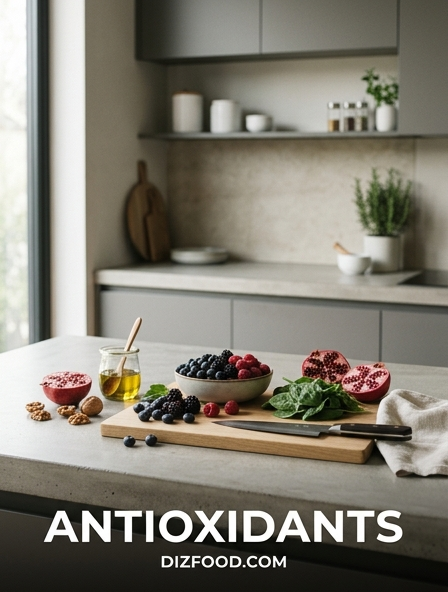
Low Temperature Nutrient Retention
The primary advantage of employing cold-based preservation techniques in the kitchen is the significant reduction in thermal degradation. Many essential antioxidants, such as volatile organic compounds and heat-sensitive vitamins, begin to break down at temperatures as low as 40 degrees Celsius. By maintaining a processing environment well below freezing, the molecular integrity of these nutrients remains uncompromised. This method ensures that the bioactive compounds found in fresh produce are locked in place before they can react with environmental factors.
- Minimizes the loss of heat-labile vitamins like B-complex and C.
- Prevents the denaturing of functional proteins and enzymes.
- Maintains the natural flavor profile without caramelization.
- Reduces the rate of chemical reactions that lead to spoilage.
- Preserves the vibrant natural pigmentation of the fruit or vegetable.
Furthermore, low-temperature retention allows for a higher concentration of nutrients per gram compared to fresh counterparts. Because the water is removed without high heat, the resulting product provides a dense source of kitchen-ready antioxidants. This process is essential for creating high-quality ingredients that retain their medicinal and nutritional value over extended periods of storage.
Impact of Heat on Anthocyanins
Anthocyanins are the pigments responsible for the deep reds, purples, and blues in various fruits, and they are highly susceptible to thermal stress. When exposed to conventional drying or high-heat cooking, these flavonoids often undergo structural transformation, resulting in a loss of their antioxidant capacity. The kitchen environment often introduces heat that can shift the pH balance, further destabilizing these delicate molecules. Research indicates that prolonged heat exposure can reduce anthocyanin content by over fifty percent in some berry varieties.
| Processing Method | Anthocyanin Retention (%) | Color Stability |
|---|---|---|
| Freeze Drying | 92% - 98% | High |
| Air Drying | 40% - 60% | Low |
| Sun Drying | 20% - 35% | Very Low |
The degradation of anthocyanins is not merely a cosmetic issue; it represents a direct decline in the food's ability to neutralize free radicals. To maximize the health benefits of ingredients like blueberries or raspberries, minimizing heat exposure is critical. Preserving these compounds ensures that the kitchen staples used in smoothies or porridges deliver the intended physiological benefits, maintaining both the aesthetic and the functional quality of the food.
Preventing Oxidation Through Sublimation
Sublimation, the process where water transitions directly from a solid ice state to a gas, is the cornerstone of advanced antioxidant preservation. By bypassing the liquid phase, the food item avoids the mobile environment where oxidative enzymes and atmospheric oxygen typically react. In a standard kitchen setting, traditional drying allows liquid water to act as a solvent, facilitating unwanted chemical interactions that degrade polyphenols. Sublimation effectively "freezes" the chemical state of the ingredient, ensuring that oxidation is halted at the molecular level.
- Initial flash freezing creates small ice crystals within the plant tissue.
- A vacuum environment reduces pressure to facilitate the phase change.
- Gentle heat is applied only to trigger sublimation, not to warm the tissue.
- Vapor is removed, leaving a porous, dry structure without liquid movement.
- The lack of moisture prevents future oxidative browning during storage.
The result of this process is a product that remains chemically stable for years. Because the oxidative pathways are blocked during the moisture removal phase, the final ingredient retains a "fresh" chemical signature. This makes sublimated fruits and vegetables superior for long-term kitchen use, providing consistent antioxidant levels regardless of the season or the age of the product.
Preserving Cellular Structure and Bioavailability
The physical structure of a plant cell acts as a protective vessel for antioxidants. Conventional drying methods often cause the cellular walls to collapse, which leads to a shrunken, toughened texture and the leakage of internal nutrients. When these structures fail, the bioavailable compounds are exposed to light and air, leading to rapid degradation. In contrast, preserving the cellular architecture through low-temperature dehydration ensures that the nutrients remain encapsulated within their natural matrix until the moment of consumption.
- Maintains the original shape and volume of the ingredient.
- Creates a porous texture that allows for rapid rehydration.
- Protects internal vacuoles where high concentrations of polyphenols reside.
- Ensures that fat-soluble vitamins remain trapped in lipid membranes.
- Enhances the "crunch" factor without the need for additives or oils.
Preserving the cell wall also plays a vital role in bioavailability. When the structure remains intact, the body can process the nutrients in a manner similar to fresh produce. This structural integrity means that when you add these ingredients to your kitchen recipes, you are getting the full spectrum of phytochemicals in a form that the digestive system can efficiently recognize and absorb.
Sun Drying and Thermal Degradation
Sun drying is one of the oldest methods of food preservation, yet it is arguably the most detrimental to antioxidant potency. The combination of direct ultraviolet (UV) radiation and uncontrolled thermal energy creates a perfect environment for the destruction of delicate phytonutrients. UV rays specifically target the chemical bonds in vitamins, causing them to break down into inactive metabolites. Furthermore, the slow nature of sun drying allows enzymatic browning to proceed for days, significantly altering the nutritional profile of the kitchen ingredient.
| Factor | Sun Drying Impact | Effect on Antioxidants |
|---|---|---|
| UV Exposure | Very High | Direct molecular cleavage | Fluctuating/High | Accelerated oxidation |
| Time | Extended (Days) | Enzymatic degradation |
While sun-dried products are often praised for their concentrated flavors, this concentration comes at a high nutritional cost. The loss of carotenoids, for example, is particularly high during sun exposure, as these pigments are highly light-sensitive. For the health-conscious kitchen, relying on sun-dried items may provide fiber and sugar, but it fails to deliver the high-level antioxidant protection found in more modern, cold-processed alternatives.
Retaining Phytochemicals for Smart Snacking
Smart snacking in the modern kitchen relies on the density of nutrients rather than caloric volume. Phytochemicals, including flavonoids, isoflavones, and glucosinolates, are the key targets for retention. When produce is processed correctly, these compounds remain concentrated, making it possible to consume a significant dose of antioxidants in a small, shelf-stable portion. This is particularly useful for individuals looking to boost their daily intake without preparing large quantities of fresh vegetables or fruits that may spoil quickly.
- Concentrated phytochemicals provide more defense per gram.
- Easy integration into dry mixes, nuts, and seeds.
- No added sugars or preservatives are required for stability.
- Portability allows for high-quality nutrition outside the home.
- Consistent nutrient profile regardless of the time of purchase.
By focusing on ingredients that have retained their phytochemical load, snacks become functional foods. The retention of these compounds ensures that the metabolic benefits-such as reducing systemic oxidative stress-are available in every bite. This makes properly preserved ingredients a foundational element of any kitchen strategy aimed at long-term wellness and disease prevention through dietary choices.
Vitamin C Stability in Freeze Dried Berries
Vitamin C, or ascorbic acid, is famously unstable in the presence of oxygen, heat, and light. In the kitchen, it is often the first nutrient to vanish during cooking or traditional storage. However, freeze-drying technology has proven exceptionally effective at stabilizing this vital antioxidant. By removing moisture and sealing the product in an airtight, light-protected environment, the degradation of Vitamin C is slowed to a negligible rate. This makes freeze-dried berries an excellent source of the vitamin during winter months when fresh produce may be less accessible.
- Superior to canned berries which undergo high-heat sterilization.
- Higher retention rates than frozen berries stored in non-vacuum bags.
- Provides a stable source for smoothies and baking.
- Maintains the acidic pH required for certain culinary reactions.
- Preserves the synergistic effects between Vitamin C and other flavonoids.
The stability of Vitamin C in these berries ensures that the immune-boosting properties remain intact. For culinary applications, this means that even small inclusions of these dried fruits can significantly alter the nutritional value of a dish. Maintaining this stability is essential for those who use berries as a primary source of their daily antioxidant requirements.
Enzymatic Activity and Moisture Removal
Enzymes like polyphenol oxidase are naturally present in plant tissues and are responsible for the browning and degradation that occur once a fruit is cut or bruised. These enzymes require water to function as a medium for their chemical reactions. Rapid and total moisture removal is the most effective way to "turn off" these enzymes without using chemical inhibitors like sulfites. In a kitchen context, managing enzymatic activity is the difference between a nutrient-dense ingredient and one that has lost its functional value.
- Lowering water activity (Aw) below 0.3 halts most enzymatic reactions.
- Prevents the conversion of beneficial polyphenols into brown pigments.
- Eliminates the need for blanching, which can leach out water-soluble vitamins.
- Extends the shelf life by preventing internal chemical spoilage.
- Preserves the crisp texture that consumers associate with freshness.
By effectively managing moisture, the antioxidant profile is frozen in time. This is why high-quality dried ingredients do not require the artificial preservatives found in many supermarket snacks. The lack of water creates a biological "pause," ensuring that the enzymes cannot dismantle the very nutrients that the kitchen user is trying to consume for health benefits.
Long Term Potency of Polyphenols
The longevity of polyphenols in stored kitchen ingredients depends entirely on the initial processing and subsequent storage conditions. Polyphenols are powerful antioxidants that protect the body against chronic oxidative stress, but they are prone to polymerization and degradation over time if exposed to oxygen. When stored in optimal conditions-dark, cool, and dry-properly dehydrated ingredients can retain up to 90% of their polyphenol potency for over a year. This long-term stability is a major advantage for maintaining a healthy pantry.
| Storage Duration | Polyphenol Retention (Properly Dried) | Polyphenol Retention (Air Dried) |
|---|---|---|
| 3 Months | 98% | 75% |
| 6 Months | 95% | 60% |
| 12 Months | 90% | 45% |
This data highlights the importance of choosing ingredients processed through methods that prioritize molecular stability. For the home cook, this means that buying in bulk is feasible without sacrificing the health-promoting properties of the food. Ensuring that the polyphenols remain potent allows for a consistent therapeutic benefit from every meal prepared in the kitchen.
Superior Nutritional Profiles for Kitchen Use
Integrating high-antioxidant, low-temperature processed ingredients into daily cooking provides a superior nutritional profile compared to standard processed foods. These ingredients offer a "whole food" solution that is both convenient and powerful. In the kitchen, they serve as versatile components that can be added to breakfast cereals, salads, or desserts, providing a concentrated burst of flavor and health benefits. The superior profile stems from the synergy of preserved vitamins, minerals, and phytochemicals working together as nature intended.
- High nutrient-to-weight ratio for efficient kitchen storage.
- Versatile applications in both sweet and savory dishes.
- Provides natural colorants that are also healthy antioxidants.
- Reduces the reliance on synthetic supplements and fortified foods.
- Supports a "clean label" approach to home cooking and meal prep.
Ultimately, the goal of a well-stocked kitchen is to provide the best possible fuel for the body. By choosing ingredients that have been handled with care-avoiding excessive heat and oxidation-you ensure that your culinary creations are as nourishing as they are delicious. The transition to these superior nutritional profiles represents a significant step forward in functional home nutrition.

Comments