
Selecting Quality Masa Harina Brands
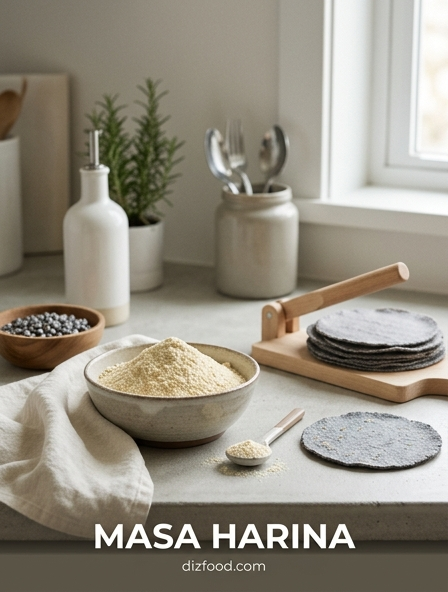
The foundation of a superior tortilla lies in the quality of the masa harina, which is corn flour treated with lime through the nixtamalization process. When browsing the aisles, the primary factor to consider is the source and processing of the corn. Traditional brands like Maseca offer a consistent, fine-ground product that is widely accessible and reliable for beginners. However, artisanal brands such as Masienda or Bob's Red Mill provide heirloom varieties that boast deeper flavors and distinct colors, ranging from blue and red to deep yellow. These premium options often use non-GMO corn and maintain more of the natural oils, resulting in a more fragrant finished product.
| Brand Category | Best For | Notable Features |
|---|---|---|
| Commercial (Maseca) | High volume cooking | Consistent texture, long shelf life |
| Artisanal (Masienda) | Gourmet flavor | Heirloom corn, vibrant colors |
| Organic (Bob's Red Mill) | Health conscious | Non-GMO, reliable hydration |
Always check the ingredient list to ensure there are no unnecessary additives or preservatives. High-quality masa harina should ideally contain only corn and hydrated lime. The scent should be reminiscent of fresh popcorn; a stale or neutral smell often indicates the flour is past its prime.
Measuring Flour and Water Ratios
Achieving the perfect masa consistency begins with accurate measurement, though atmospheric humidity can influence the final requirements. A standard starting point is a ratio of two parts masa harina to approximately one and a half parts warm water. Using warm water, rather than cold, is essential as it begins to gelatinize the starches immediately, leading to a more cohesive dough. For home cooks, a common batch consists of two cups of flour mixed with one and a half cups of water, plus a half-teaspoon of sea salt to enhance the corn's natural sweetness.
- Standard Ratio: 2 cups Masa Harina to 1.5 cups warm water.
- Salt Addition: 0.5 tsp per 2 cups of flour for flavor balance.
- Adjustments: Keep extra water nearby to add by the tablespoon if the mixture feels crumbly.
It is often more effective to measure by weight rather than volume for professional-grade consistency. Approximately 250 grams of masa harina paired with 350 to 375 grams of water is a frequent baseline. Because different brands absorb moisture at varying rates, the goal is a dough that feels like moist playdough-firm enough to hold its shape but soft enough to be easily indented with a finger.
Hydrating Dough for Better Texture
Proper hydration is a transformative stage where the dry particles of corn flour fully integrate with moisture. This process should not be rushed; simply mixing the ingredients until they appear combined is insufficient. You must knead the dough for several minutes to ensure the water is evenly distributed. During this phase, the masa will transition from a gritty, sandy texture to a smooth, supple mass. If the dough remains overly sticky, the flour has not yet absorbed the liquid; if it feels stiff, it needs more hydration.
The sensation of the dough should be reminiscent of damp clay. One effective way to test hydration is the "pinch test." Take a small ball of dough and flatten it between your palms. If the edges crack significantly, the masa is too dry and requires more water. If the dough sticks to your hands and leaves a residue, it is too wet and needs a dusting of extra flour. Achieving this balance ensures that the tortillas will be flexible enough to fold without breaking once they are cooked. Proper hydration also facilitates the "puffing" action on the griddle, as it ensures there is enough internal moisture to create steam.
Resting Masa for Improved Elasticity
One of the most overlooked steps in making tortillas is the resting period. After the dough has been kneaded into a smooth ball, it should be covered with a damp cloth or plastic wrap and left to sit for at least 15 to 30 minutes. This resting phase allows the corn starches to fully hydrate and the proteins to stabilize. Without this period, the resulting tortillas may feel "grainy" or have a brittle texture that snaps when folded for tacos. Resting also improves the elasticity of the masa, making it much easier to press into thin, uniform rounds.
- Shape the kneaded masa into a large, smooth ball.
- Place it in a bowl and cover tightly to prevent the surface from drying out.
- Wait 20 minutes to allow moisture to redistribute into the center of the corn particles.
- Perform a final quick knead before portioning the dough into smaller balls.
During the rest, the masa will actually feel slightly firmer and more "bouncy" to the touch. This structural change is what prevents the dough from sticking to the press and ensures the tortilla holds its shape as it is transferred to the heat. Skipping this step often results in tortillas that feel heavy or undercooked in the center.
Using a Tortilla Press Correctly
A tortilla press is the most efficient tool for achieving the uniform thinness required for authentic tortillas. Whether using a traditional cast iron press or a lighter aluminum model, the technique remains the same. Start by portioning your masa into balls roughly the size of a golf ball, approximately 35 to 40 grams each. Place the ball slightly off-center toward the hinge of the press, rather than directly in the middle. Because the hinge side receives more force, placing the dough closer to it ensures a more even distribution and prevents a lopsided shape.
Apply firm, steady pressure to the handle. A common mistake is pressing too hard all at once, which can cause the dough to squish out of the sides or become too thin to handle. Instead, press down firmly, release the handle, rotate the tortilla 180 degrees within its plastic liner, and press gently once more. This "double-press" method guarantees a perfectly circular shape and an even thickness across the entire diameter. Ensuring the press is level and on a flat surface is also vital for preventing thin spots that might burn on the comal or griddle.
Liners to Prevent Masa Sticking
No matter how well-hydrated your masa is, it will stick to the metal or wood surfaces of a press without a protective liner. Professional cooks rarely use parchment paper for this task as it can wrinkle or absorb moisture, leading to tears. Instead, the gold standard is a heavy-duty plastic bag, such as a gallon-sized freezer bag, cut into two separate sheets. The thickness of freezer-grade plastic provides a smooth, non-stick surface that allows the tortilla to peel away effortlessly without distorting its shape.
To prepare the liners, cut the sides and bottom of a plastic bag to create two squares that fit the dimensions of your press. Avoid using thin plastic wrap, as it tends to bunch up and create permanent creases in the dough. When using the liners, place the masa ball between the two sheets before closing the press. Once pressed, peel the top layer of plastic off carefully, then flip the tortilla onto your hand and peel the second layer away. This technique keeps the masa intact and prevents the moisture from escaping into the environment, maintaining the dough's integrity until the moment it hits the hot cooking surface.
Perfecting the Thickness and Shape
The ideal thickness for a corn tortilla is approximately one-sixteenth of an inch. If a tortilla is too thick, it will be gummy and taste like raw dough in the center; if it is too thin, it will become brittle and crisp like a chip rather than staying soft. Achieving the perfect shape is a matter of consistent portioning and controlled pressure. Using a small kitchen scale to weigh each ball of dough ensures that every tortilla in the batch cooks at the same rate, preventing the frustration of having some tortillas underdone while others are charred.
Visual cues are essential during the pressing process. When the dough is pressed, it should expand to about five or six inches in diameter. If the edges appear jagged or "shaggy," the masa is likely too dry, and the shape will suffer. A smooth, clean edge indicates a healthy moisture level. If you find the tortillas are consistently thicker on one side, check the alignment of your press. Rotating the tortilla halfway through the pressing process is the most effective way to correct for any mechanical imbalances in the equipment, resulting in a professional-looking, perfectly circular tortilla every time.
Fixing Dry or Sticky Masa
Working with masa harina requires constant adjustment, as the dough can change depending on the temperature of the kitchen or the time it sits on the counter. If you notice your masa is becoming difficult to work with, identify the symptoms before applying a fix. Dry masa is characterized by a crumbly texture and edges that crack deeply when pressed. Sticky masa, conversely, will cling to your fingers and the plastic liners, making it impossible to peel away without tearing the tortilla.
| Symptom | Cause | Fix |
|---|---|---|
| Cracked edges | Insufficient water | Add warm water by the teaspoon |
| Sticking to plastic | Excess moisture | Add 1 tbsp of Masa Harina and knead |
| Rubbery texture | Over-kneading/No rest | Let dough rest for 10 more minutes |
Always keep a small bowl of water and a container of dry masa harina nearby while you work. If the dough has dried out while sitting, simply wet your hands and knead the moisture back into the remaining balls. It is easier to add moisture back into the dough than it is to dry out a soggy mass, so always err on the side of slightly drier dough during the initial mixing phase.
Techniques for the Perfect Tortilla Puff
The "puff"-or la pancita-is the hallmark of a perfectly made tortilla. It indicates that the internal moisture has turned to steam, separating the layers and creating a light, airy texture. This is achieved through precise heat management and timing on the comal or cast-iron skillet. The surface must be medium-high heat; if it is too cool, the tortilla will dry out before it puffs, and if it is too hot, it will burn the exterior before the heat reaches the center. The process follows a strict three-flip rule.
- Place the tortilla on the hot surface and wait 30 seconds until the edges slightly lift.
- Flip and cook for 60 seconds until light brown spots appear on the bottom.
- Flip a final time and wait. Within 15 to 30 seconds, the tortilla should begin to inflate.
If the tortilla does not puff on its own, you can gently press the center with your finger or a spatula during the third stage. This slight pressure helps focus the steam and encourages the layers to separate. Remember that a puff is only possible if the masa was hydrated correctly; dry dough lacks the steam necessary to expand.
Keeping Fresh Tortillas Soft and Warm
The final step in the process is preservation. As soon as a tortilla is removed from the heat, it must be placed in a controlled environment to continue softening. This is known as the "sweating" phase. The residual heat from the cooked tortillas creates a small amount of steam, which re-hydrates the outer crust and ensures the tortilla remains flexible. Without proper storage, fresh tortillas will lose their heat within minutes and become stiff and difficult to eat.
A traditional tortillero (a dedicated basket or insulated container) lined with a thick, clean kitchen towel is the ideal vessel. If you do not have a specialized container, a clean cloth napkin tucked inside a large bowl with a lid works perfectly. Stack the tortillas directly on top of each other as they come off the griddle. The heat from the stack keeps the entire batch warm for up to an hour. For longer storage, you can place the wrapped stack inside a zip-top bag once they have cooled slightly, which prevents the moisture from escaping and allows them to be reheated later without losing their supple texture.

Comments