
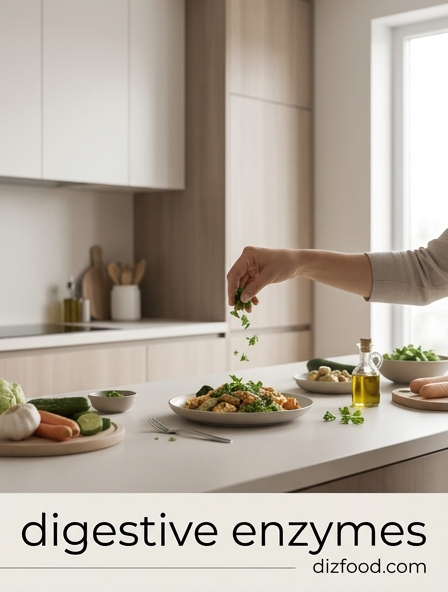
The Role of Salivary Amylase
Salivary amylase, also known as ptyalin, is the first digestive enzyme to encounter food in the kitchen environment. As soon as a morsel of carbohydrate-rich food enters the mouth, this enzyme begins the complex process of chemical digestion. Its primary function is to catalyze the hydrolysis of starch into smaller molecules like maltose and dextrin. This biochemical reaction is highly efficient, yet it requires adequate time and surface area to function correctly. Without sufficient exposure to amylase, complex starches pass into the stomach largely intact, where the acidic environment temporarily halts their breakdown.
- Starch hydrolysis: Breaking down long-chain glucose polymers.
- pH Sensitivity: Operates best at a near-neutral pH found in the mouth.
- Taste Enhancement: Converts bland starches into sweet-tasting sugars.
- Pre-digestion: Reduces the workload for the pancreas later in the cycle.
By understanding the role of this enzyme, one can appreciate why the texture of food changes as we chew. The slight sweetness detected in a plain piece of bread after several seconds of mastication is the direct result of salivary amylase at work, proving that digestion is an active, chemical process that begins long before food reaching the gut.
Activating the Cephalic Phase
The cephalic phase of digestion represents the "head phase," where the mere sight, smell, or thought of food triggers the release of digestive enzymes. In the kitchen, the aroma of sautéing onions or the sound of a searing steak acts as a neurological signal to the salivary glands and stomach. This anticipatory response prepares the body for the incoming meal by secreting up to 20% of the total gastric acid and initiating the flow of salivary amylase. This phase ensures that the digestive system is primed and ready, rather than being caught off guard by a sudden intake of nutrients.
- Visual Stimuli: Seeing vibrant colors and textures on a plate.
- Olfactory Triggers: Aromas traveling through the air to the nasal cavity.
- Auditory Cues: The sound of chopping, boiling, or sizzling.
- Cognitive Anticipation: Knowing a meal is being prepared.
Neglecting this phase by eating in a distracted or rushed state can lead to poor enzyme secretion. When we bypass the sensory experience of the kitchen, we miss the vital biological preparation needed for efficient breakdown, often resulting in heavy feelings or sluggishness after eating a meal that the body wasn't ready to receive.
Mindful Chewing for Satiety
Mindful chewing is the physical act of slowing down to ensure every bite is thoroughly processed by mechanical and chemical means. In a modern kitchen context, we often prioritize convenience over thorough mastication, yet the act of chewing is intrinsically linked to the brain's satiety signals. When we chew extensively, we give the body time to register the volume and nutrient density of the food being consumed. This process is not merely about breaking food into smaller pieces; it is about extending the duration of the meal to match the time it takes for hormonal signals to travel from the gut to the brain.
The mechanical breakdown of cell walls in vegetables and the emulsification of fats require repetitive motion. As the food is pulverized, it mixes more thoroughly with enzymes, ensuring that the chemical signals for fullness are triggered accurately. Research suggests that those who chew their food more thoroughly tend to consume fewer calories because the "fullness" signal has the opportunity to catch up with the act of eating. By turning the kitchen habit of quick snacking into a ritual of deliberate chewing, one can significantly improve metabolic health and prevent the common pitfall of overeating due to lagging internal feedback loops.
Maximizing Nutrient Bioavailability
The bioavailability of nutrients is the extent to which the body can absorb and utilize vitamins and minerals from food. While the quality of ingredients in the kitchen is vital, the efficiency of digestive enzymes determines how much of that quality actually enters the bloodstream. Enzymes work at the surface of food particles; therefore, increasing the total surface area through mechanical breakdown is essential. Without this, many valuable micronutrients remain trapped within fibrous plant cell walls or dense protein structures, passing through the digestive tract unabsorbed.
| Nutrient Type | Primary Enzyme | Optimal Breakdown Site |
|---|---|---|
| Starches | Amylase | Mouth/Small Intestine |
| Proteins | Protease | Stomach/Small Intestine |
| Fats | Lipase | Small Intestine |
Effective enzyme activity ensures that complex molecules are reduced to their simplest forms: amino acids, monosaccharides, and fatty acids. This transformation is the "key" that unlocks the door to the intestinal lining. By focusing on enzyme-rich environments and thorough food preparation, we maximize the nutritional return on every meal prepared in the kitchen, ensuring that the body receives the full spectrum of energy and building blocks required for health.
Enzymatic Breakdown Starts Early
It is a common misconception that digestion is a task reserved solely for the stomach. In reality, the most critical enzymatic breakdown begins the moment food is introduced to the mouth. Saliva is not just a lubricant; it is a complex biological fluid packed with enzymes and electrolytes. When we rush through a meal, we essentially skip the first and only opportunity for amylase to begin its work on starches. This leads to a domino effect of digestive inefficiency, as the stomach is not equipped to handle the chemical breakdown of carbohydrates, leading to potential fermentation and discomfort in the lower tract.
Furthermore, the early release of enzymes signals the rest of the digestive organs to prepare their specific secretions. The pancreas, for instance, receives signals to prepare protease and lipase based on the early interactions in the oral cavity. This synchronized "head-start" is what makes a meal feel light and energizing rather than heavy. To respect this early breakdown, one should aim to transform solid food into a bolus of liquid consistency before swallowing. This ensures that the chemical foundations are laid properly, allowing the subsequent stages of the digestive journey to proceed smoothly and without the burden of unprocessed macro-particles entering the delicate environment of the small intestine.
The Psychology of Liquid Meals
The popularity of smoothies and meal replacement shakes in the kitchen has introduced a unique challenge to the digestive system. While these liquids are often nutrient-dense, they frequently bypass the oral phase of digestion entirely. Because they do not require chewing, the brain often fails to register them as "real food," which can lead to a lack of satiety despite a high caloric intake. The psychology of drinking a meal is fundamentally different from eating one, as the physical cues of chewing are absent, potentially delaying the release of key hormones like cholecystokinin.
- Reduced Salivation: Liquid meals often skip the mixing stage with amylase.
- Speed of Consumption: We drink much faster than we chew, overwhelming the gut.
- Hormonal Lag: The "fullness" signal is often weaker with liquids.
- Insulin Response: Rapid transit of sugars can cause sharper glucose spikes.
To counteract this, it is recommended to "chew" your liquids or swish them around the mouth to trigger enzyme production. By mimicking the actions of eating solid food, you can bridge the gap between convenience and biological requirement, ensuring that liquid meals are processed with the same enzymatic integrity as a traditional plate of food.
Gut Health and Smooth Textures
In the culinary world, smooth textures are often synonymous with luxury and comfort, such as silken purees or creamy soups. From a digestive standpoint, these textures are pre-processed to some degree, which can be both a benefit and a drawback for gut health. For individuals with sensitive digestive tracts or compromised enzyme production, smooth textures act as a mechanical aid, reducing the physical labor required by the stomach. However, for a healthy gut, an over-reliance on soft foods can lead to "lazy" digestion, where the lack of structural challenge reduces the natural stimulation of the digestive lining.
The gut thrives on a variety of textures that require different levels of enzymatic intervention. When food is too smooth, it moves through the upper digestive tract rapidly, sometimes reaching the colon before the small intestine has had a chance to extract all available nutrients. This rapid transit can disrupt the delicate balance of the microbiome, as undigested particles may arrive in the large intestine too quickly. Balancing smooth textures with whole, fibrous ingredients ensures that the digestive system remains robust and that enzymes have a steady, manageable workload rather than a sudden deluge of easily accessible sugars and fats.
Signaling Fullness to the Brain
The communication between the kitchen table and the brain is a sophisticated feedback loop involving hormones and nerves. The primary signals for satiety originate in the digestive tract as it expands and as enzymes begin breaking down nutrients. This process takes approximately twenty minutes to reach the hypothalamus, the brain's satiety center. If a meal is consumed in ten minutes, the brain remains unaware that the body has received sufficient energy, leading to the desire for second helpings or dessert despite being physically fueled.
- Stretch Receptors: The stomach lining detects physical volume.
- CCK Release: Cholecystokinin is secreted in response to fats and proteins.
- Leptin and Ghrelin: The "hunger" and "fullness" hormones balance out.
- Vagus Nerve: The physical highway for signals traveling to the brain.
By slowing down the intake of food and allowing enzymes to do their work effectively, we synchronize our eating habits with our internal biology. This synchronization prevents the "rebound hunger" often felt after a fast meal and fosters a more intuitive relationship with food, where the body's genuine needs are met without the confusion of delayed feedback signals.
The Importance of Crunchy Toppings
Adding a crunchy element to a soft dish, such as nuts on a salad or croutons on soup, is more than a culinary preference; it is a vital digestive strategy. Crunchiness forces the jaw to engage in mastication, which in turn stimulates the parotid glands to release a fresh supply of salivary amylase. This mechanical requirement ensures that even predominantly soft meals receive the necessary enzymatic treatment in the oral cavity. In the kitchen, the simple addition of a textured topping can transform the metabolic impact of a meal by re-introducing the "chewing phase" that might otherwise be forgotten.
- Pumpkin Seeds: High in minerals and excellent for adding resistance.
- Raw Cabbage: Provides a satisfying crunch and prebiotic fiber.
- Toasted Sourdough: Adds complexity and triggers prolonged chewing.
- Crushed Walnuts: Delivers healthy fats alongside structural variety.
When we encounter resistance in our food, we are naturally inclined to slow down. This brief pause in consumption allows the cephalic phase and the oral phase of digestion to align. By intentionally designing meals with a "crunch factor," we leverage kitchen creativity to support biological efficiency, making each bite more satisfying and significantly easier for the rest of the digestive system to handle.
Preventing Bloat Through Slow Intake
Bloating is a common digestive complaint that often stems from how we eat rather than just what we eat. When we consume food rapidly in the kitchen, we inadvertently swallow significant amounts of air, a condition known as aerophagia. Furthermore, fast eating prevents enzymes from thoroughly mixing with the food bolus. This leads to large, undigested food particles entering the intestines where they become fodder for gas-producing bacteria. The resulting fermentation is the primary driver of the physical distension and discomfort associated with bloating.
Slowing down the pace of a meal allows for a more controlled intake of both food and air. It ensures that the chemical breakdown is prioritized, reducing the amount of "raw material" that reaches the lower gut prematurely. By taking smaller bites and putting the fork down between them, you give the stomach's hydrochloric acid and the small intestine's enzymes the time they need to work methodically. This measured approach to eating is the most effective kitchen-based remedy for post-prandial bloating, ensuring that the energy from your meal is absorbed cleanly and efficiently, leaving you feeling light and nourished rather than heavy and inflated.

Comments