
Traditional Versus Modern Drying Methods
The evolution of food preservation has transitioned from rudimentary open-air techniques to sophisticated industrial processes. Traditional methods primarily relied on the environment, using solar heat and natural airflow to slowly remove moisture from produce. This gradual process often allowed for a specific biochemical maturation that contributed to unique flavor profiles and texture. In contrast, modern drying methods utilize mechanical convection, infrared heating, and freeze-drying technologies to achieve rapid results and consistent yields.
While modern techniques offer speed and safety through controlled environments, they often prioritize throughput over the delicate preservation of heat-sensitive compounds. Traditional methods, though slower and weather-dependent, maintained a connection to the natural harvest cycle. The primary differences can be categorized as follows:
- Speed: Modern methods reduce drying time from days to hours.
- Control: Industrial ovens allow for precise temperature and humidity management.
- Scale: Modern systems process tons of fruit simultaneously with minimal labor.
- Nutrient stability: Traditional air-drying may result in different enzymatic outcomes compared to flash-heating.
Understanding these shifts is essential for assessing the overall nutrient density of the snacks produced in the modern kitchen versus those found in historical culinary practices.
Nutrient Retention in Heritage Dried Fruits
Heritage fruit varieties, often overlooked in favor of commercially viable cultivars, possess genetic profiles that favor higher concentrations of secondary metabolites and micronutrients. When these ancient fruits undergo drying, their inherent nutrient density often surpasses that of modern hybrids. Research suggests that older varieties of apples, apricots, and plums were bred for flavor and resilience rather than uniform size and sugar content, resulting in a more robust mineral profile even after the water is removed.
The retention of vitamins and minerals in heritage fruits is influenced by their thicker skins and lower water-to-solid ratios. This physiological structure protects the interior pulp during the dehydration process, effectively "locking in" the nutrients. The following table illustrates common nutrient differences observed in heritage versus commercial dried fruits:
| Nutrient Type | Heritage Dried Fruit | Commercial Dried Fruit |
|---|---|---|
| Potassium | Higher (due to soil diversity) | Standardized/Lower |
| Vitamin C | Variable (sensitive to heat) | Often lost or supplemented |
| Phenolic Content | Significantly higher | Reduced by selective breeding |
Preserving these heritage snacks in the kitchen ensures a broader spectrum of micronutrients that are often missing from the standard modern diet.
Modern Dehydration Impacts on Vitamin Content
Modern dehydration techniques, while highly efficient, present significant challenges for the preservation of water-soluble and heat-sensitive vitamins. Vitamins C and B-complex are particularly vulnerable to the high temperatures often used in commercial convection ovens to speed up production. When air temperatures exceed certain thresholds, the oxidative degradation of ascorbic acid accelerates, leading to a finished product that may be rich in minerals and fiber but significantly depleted of its original vitamin potency.
Furthermore, the increased surface area exposure during slicing and the long duration of heat exposure can lead to further nutrient loss. In many industrial settings, the goal is to reach a moisture content below fifteen percent to ensure shelf stability. This rigorous drying often results in the loss of folate and thiamine. While fat-soluble vitamins like A and E are slightly more resilient, they are still susceptible to light and oxygen exposure during the cooling and packaging phases. Therefore, consumers must recognize that the "dried" version of a fruit is a concentrated source of calories and minerals, but rarely a perfect substitute for the vitamin profile of the fresh counterpart.
Sugar Density in Industrial Fruit Snacks
Industrial fruit snacks often mask a significant concern regarding nutrient density: the concentration and addition of sugars. As water is removed during the drying process, the natural sugars within the fruit become highly concentrated, significantly increasing the caloric density per gram. However, many commercial brands go further by adding refined sugars, corn syrups, or fruit juice concentrates to enhance palatability and act as a humectant. This practice transforms a potentially healthy snack into a high-glycemic food item.
When evaluating these snacks, it is important to consider the following factors that contribute to their high sugar density:
- Natural Concentration: The removal of 80% of water weight triples sugar ratios.
- Osmotic Pre-treatments: Soaking fruit in sugar solutions before drying to maintain color.
- Glazing: Applying syrups post-drying for a glossy appearance and extended shelf life.
The result is a product that can spike blood glucose levels as rapidly as candy, despite being marketed as a fruit-based health food. Maintaining nutrient density in the kitchen requires a careful selection of products that contain no added sweeteners, ensuring that the fruit's natural fiber remains the primary regulator of sugar absorption.
Sun Drying Benefits for Mineral Preservation
Sun drying is one of the oldest methods of food preservation and remains remarkably effective for maintaining the mineral integrity of fruits and vegetables. Unlike vitamins, minerals such as potassium, magnesium, calcium, and iron are inorganic substances that do not break down when exposed to heat or light. In fact, the gentle, slow evaporation process characteristic of sun drying allows these minerals to concentrate naturally within the fruit's cellular matrix without the aggressive structural damage caused by high-heat mechanical dryers.
In addition to mineral stability, sun drying can facilitate certain beneficial chemical reactions. For instance, some mushrooms and fruits may see a slight increase in vitamin D activity when exposed to natural UV radiation during the drying process. The lack of forced air also means that the surface of the fruit is less likely to undergo "case hardening," a condition where the outside dries too quickly and traps moisture inside. By allowing the moisture to escape gradually, the mineral-rich juices are slowly reduced into a dense, shelf-stable form that retains the elemental nutritional value of the fresh harvest, providing a mineral-dense option for the modern pantry.
Antioxidant Profiles of Ancient Fruit Varieties
Ancient fruit varieties, such as wild berries, heirloom pomegranates, and traditional figs, are celebrated for their complex antioxidant profiles. These fruits evolved to survive in harsh natural environments without the aid of modern pesticides, leading them to produce high levels of phytochemicals for self-defense. These phytochemicals, including anthocyanins, flavonoids, and tannins, serve as powerful antioxidants in the human diet, neutralizing free radicals and reducing oxidative stress.
When these fruits are dried using low-temperature methods, their antioxidant capacity can be impressively preserved. In some cases, the drying process even increases the bioavailability of certain polyphenols by breaking down tough cellular walls. Key benefits of these ancient varieties include:
- Greater diversity of antioxidant compounds compared to commercial fruit.
- Higher resistance to oxidation during storage.
- Improved anti-inflammatory properties due to high pigment concentration.
Integrating these ancient varieties into the kitchen not only enhances the flavor profile of snacks but also significantly elevates the nutrient density, offering a level of cellular protection that modern, mass-produced fruits often lack.
Preservative Effects on Dried Snack Quality
To maintain the vibrant colors and extended shelf life of dried snacks, the food industry frequently employs chemical preservatives. The most common of these is sulfur dioxide, which prevents the browning of light-colored fruits like apricots, apples, and pears. While these additives are effective at maintaining the aesthetic appeal of the product, they can have a detrimental impact on the overall nutritional quality and may cause adverse reactions in sensitive individuals. Sulfur dioxide, specifically, can destroy thiamine (Vitamin B1) within the fruit, directly reducing its nutrient density.
Other preservatives, such as potassium sorbate or sodium benzoate, are used to inhibit mold growth in snacks with higher moisture contents. While these chemicals ensure safety and longevity, they move the product further away from its natural state. Consumers seeking maximum nutrient density often opt for "unsulfured" dried fruits. These varieties appear darker and less visually perfect, but they represent a cleaner version of the food, free from the metabolic burden of processing chemicals. Choosing organic, preservative-free dried goods ensures that the body receives the fruit's inherent nutrients without the interference of synthetic stabilizers.
Comparing Fiber Levels in Processed Fruits
Fiber is a critical component of nutrient density, acting as a regulator for digestion and blood sugar. During the processing of fruits for drying, the fiber content can be significantly impacted by whether the skin is retained or removed. Most industrial processes peel fruits to create a more uniform texture and appearance, which unfortunately removes the majority of the insoluble fiber and many of the associated nutrients. Whole-dried fruits, conversely, retain their structural integrity and provide a much higher fiber-to-calorie ratio.
The following table compares the fiber content and characteristics of various fruit processing styles commonly found in kitchen snacks:
| Fruit Form | Fiber Type | Nutritional Impact |
|---|---|---|
| Whole Dried (with skin) | Soluble & Insoluble | Slows sugar absorption; high satiety. |
| Peeled & Sliced | Mainly Soluble | Faster digestion; lower mineral count. |
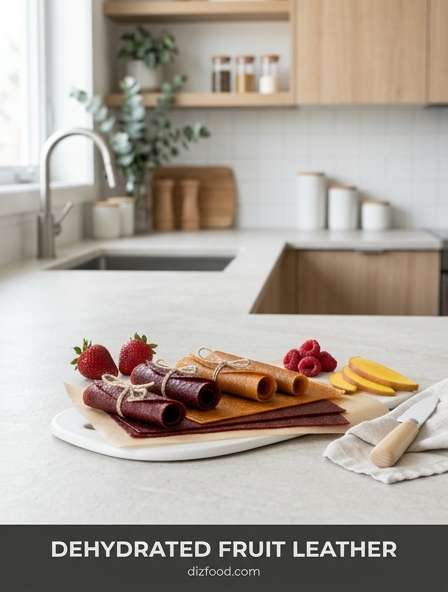
| Fruit Leathers/Extruded | Modified/Low | High glycemic response; low satiety. |
By prioritizing whole-fruit snacks that have undergone minimal mechanical alteration, individuals can ensure they are meeting their dietary fiber needs while enjoying the concentrated flavors of dried produce.
Enzymatic Changes During Advanced Drying Tech
Enzymes are biological catalysts that play a vital role in both the ripening of fruit and the digestion of food. Traditional high-heat drying often denatures these enzymes, rendering them inactive. However, advanced drying technologies like freeze-drying and vacuum-microwave drying are designed to operate at much lower temperatures. These methods preserve the enzymatic activity of the fruit, which can assist in the breakdown of nutrients once consumed. This "living" quality of low-temperature dried snacks is a hallmark of high nutrient density.
Freeze-drying, in particular, involves sublimating ice directly into vapor under a vacuum, which bypasses the liquid phase and prevents the collapse of the fruit's cellular structure. This preservation of the physical matrix means that the enzymes remain sequestered in their natural environment. While the importance of dietary enzymes is a subject of ongoing nutritional research, the preservation of these proteins often correlates with the preservation of other delicate phytonutrients. Consequently, advanced drying technologies offer a way to maintain the biological complexity of fresh fruit in a convenient, shelf-stable form suitable for modern kitchen environments.
Optimizing Kitchen Snacks for Nutrient Density
Creating nutrient-dense snacks in the home kitchen requires a deliberate approach to ingredient selection and processing. To maximize the health benefits of dried fruits and vegetables, one must balance moisture removal with nutrient preservation. Using a home dehydrator at low temperatures-typically between 105°F and 115°F-allows for the retention of live enzymes and heat-sensitive vitamins while still achieving the desired shelf stability. This "raw" drying method ensures that the kitchen output is as close to the fresh state as possible.
To further optimize the nutrient density of kitchen snacks, consider the following steps:
- Source organic, heritage varieties to start with a higher nutrient baseline.
- Keep skins on to maximize fiber and mineral intake.
- Pre-treat with lemon juice instead of sulfites to prevent browning naturally.
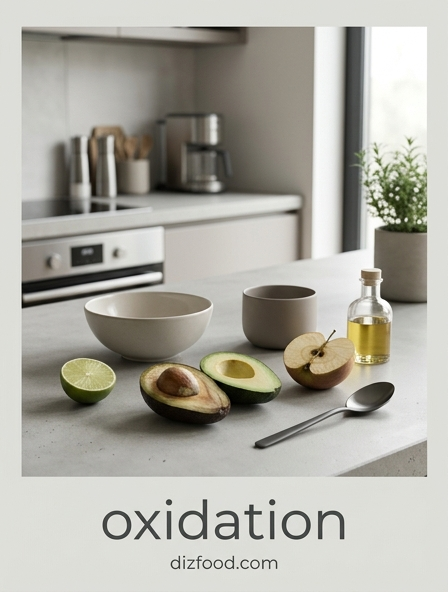
- Store finished products in airtight, glass containers in a cool, dark place to prevent oxidation.
By taking control of the drying process, individuals can avoid the hidden sugars and preservatives found in industrial snacks, resulting in a superior product that supports long-term health and wellness.



Comments