
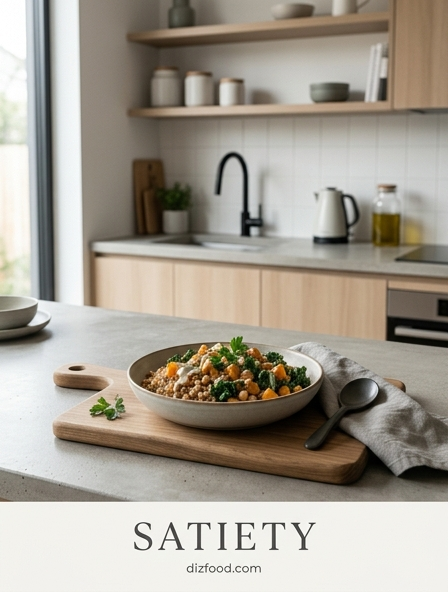
The Science of Satiety and Texture
Satiety is not merely a result of caloric intake but is deeply influenced by the physical structure of food. The science of food oral processing suggests that the time food spends in the mouth directly correlates with the release of satiety hormones. Dense, complex textures require more mechanical breakdown, which signals the brain that a substantial meal is being consumed. When we opt for high-texture foods, we leverage the cephalic phase of digestion more effectively. This phase involves the sensory experiences of smelling and tasting, which prime the stomach for digestion before the first bite is even swallowed.
| Texture Type | Satiety Level | Processing Time |
|---|---|---|
| Fibrous (Raw Vegetables) | High | Long |
| Viscous (Thick Soups) | Moderate-High | Medium |
| Aerated (Puffed Snacks) | Low | Short |
Research indicates that structural complexity increases gastric distension and slows down the rate of nutrient absorption. By choosing foods that possess a "tough" or "firm" matrix, individuals can trigger the ileal brake, a feedback mechanism that delays stomach emptying and prolongs the feeling of fullness throughout the afternoon.
Why Chewing Slows Hunger Signals
The act of chewing, or mastication, is one of the most potent non-caloric regulators of appetite. As we chew, the brain receives a steady stream of neural feedback from the jaw muscles and periodontal ligaments. This repetitive motion stimulates the production of histamine in the hypothalamus, which acts as a natural appetite suppressant. Furthermore, prolonged chewing reduces levels of ghrelin, the primary hunger hormone, while simultaneously boosting levels of peptide YY and cholecystokinin, which promote feelings of satisfaction.
- Mechanical stimulation of the oral cavity triggers early fullness.
- Increased saliva production aids in the pre-digestion of carbohydrates.
- The delay in ingestion allows the gut-brain axis to synchronize.
- Jaw fatigue serves as a physical cue to cease eating.
By consciously increasing the number of chews per bite, we bridge the gap between the ingestion of food and the brain's realization that the body is no longer hungry. This physiological lag usually takes about twenty minutes, making slow mastication a vital tool for preventing overconsumption during kitchen meals or quick snacks.
Crunchy Versus Soft Snack Dynamics
The acoustic properties of food play a surprising role in how much we consume. Crunchy foods create auditory feedback that makes us more mindful of the eating process. This "crunch effect" serves as a sensory reminder of the volume being consumed, often leading to lower overall intake compared to soft or "silent" foods. Soft textures, such as white bread or mashed potatoes, provide little resistance and are swallowed quickly, which can bypass the body's natural fullness detection systems. This leads to a higher caloric density per eating episode.
In the kitchen, incorporating crunchy elements into soft dishes can drastically improve the satiety profile of a meal. For instance, adding toasted seeds to a creamy soup or raw radish slices to a soft taco provides the necessary resistance to slow down the pace of consumption. The psychological satisfaction derived from the "snap" of a fresh vegetable or the "crackle" of a whole-grain cracker provides a sensory reward that soft foods often lack. Consequently, crunchy textures satisfy the brain's need for oral stimulation, reducing the likelihood of seeking out additional snacks shortly after finishing a meal.
How Mouthfeel Impacts Cravings
Mouthfeel refers to the physical sensations produced by food in the mouth, including creaminess, oiliness, and astringency. These sensations are critical in the development and satisfaction of cravings. High-fat textures are often perceived as luxurious and highly rewarding, triggering the brain's dopamine pathways. However, without a balance of other textures, these foods can lead to passive overconsumption. Understanding the interplay between mouthfeel and satiety allows for better meal planning and a reduction in the urge to binge on highly processed items.
- Creamy: Provides a sense of comfort but can be deceptively high in calories.
- Astringent: Foods like tea or pomegranate can "cleanse" the palate and signal the end of a meal.
- Gritty/Grainy: Often associated with fiber-rich whole grains that provide long-term energy.
- Effervescent: Carbonation can create a temporary feeling of fullness through gastric volume.
By intentionally varying mouthfeel, you can create a more "complete" sensory experience. A meal that hits multiple textural notes-such as a salad with creamy dressing, crunchy croutons, and tender greens-is more likely to extinguish cravings than a monotone texture. This sensory-specific satiety ensures that the brain feels nourished and content.
The Role of Mastication in Fullness
Mastication is the first step of the digestive process and acts as a biological gatekeeper for satiety. The duration of oral exposure to food is a primary driver of how full we feel later. When we bolt down food with minimal chewing, we fail to fully break down the food's cellular walls, particularly in plant-based items. This not only hinders nutrient absorption but also prevents the release of flavor compounds that satisfy the olfactory system. The more we chew, the more we atomize these flavors, sending stronger signals to the satiety centers in the brain.
The mechanical breakdown also increases the surface area of the food particles, allowing digestive enzymes like salivary amylase to begin their work more effectively. This early chemical digestion sends a signal to the stomach to prepare for the incoming bolus, leading to a more efficient and controlled digestive response. Studies have shown that individuals who chew their food forty times per bite instead of the average fifteen times consume significantly fewer calories while reporting higher levels of post-meal satisfaction. This simple kitchen habit can fundamentally alter one's relationship with hunger.
Liquid Versus Solid Snacking Results
The physical state of a snack-whether liquid or solid-significantly impacts how long you remain full. Liquids bypass the mastication process entirely and exit the stomach much faster than solids. This rapid gastric emptying means that the stretch receptors in the stomach wall are only briefly activated. For example, drinking a 200-calorie fruit juice will result in much less satiety than eating 200 calories of whole fruit, despite the caloric parity. The fiber in the solid fruit provides structural bulk that liquids lack.
| Food Form | Gastric Emptying | Insulin Response |
|---|---|---|
| Whole Solid | Slow (2-4 hours) | Steady/Gradual |
| Pureed/Smoothie | Moderate (1-2 hours) | Moderate Spike |
| Liquid/Juice | Fast (20-40 mins) | Rapid Spike |
When engineering snacks in the kitchen, it is almost always preferable to choose solid options. If a liquid snack like a smoothie is necessary, adding "thickening" agents such as chia seeds or Greek yogurt can increase its viscosity. Higher viscosity liquids mimic the behavior of solids in the stomach, slowing down digestion and extending the duration of the satiety effect.
Sensory Satisfaction Through Varied Textures
Sensory-specific satiety is a phenomenon where the pleasure derived from a specific flavor or texture declines as you consume it. If a meal is texturally monotonous-such as a large bowl of plain pasta-the brain becomes "bored" before the body is truly full, often leading to a desire for a different texture, like something crunchy or sweet, immediately after. By incorporating a variety of textures into a single plate, you can achieve a state of sensory satisfaction that prevents the "second dessert" syndrome.
A balanced plate should aim to include at least three distinct textural layers. Consider the contrast between a soft protein, a crisp vegetable, and a chewy grain. This variety keeps the eating experience engaging and ensures that all sensory receptors are adequately stimulated. In the kitchen, this can be achieved by using different cooking methods simultaneously, such as roasting, steaming, and raw preparation. When the mouth is constantly encountering new tactile information, the brain remains focused on the meal, making it easier to recognize the physiological signals of fullness as they arise.
Kitchen Strategies for Mindful Eating
Mindful eating starts with the environment and the tools we use in the kitchen. The way food is presented and handled can dictate the speed at which we eat and, consequently, how full we feel. Small changes in preparation can force a slower pace, giving the body's hormonal signals time to catch up with the intake. By creating a "satiety-friendly" kitchen environment, you make the healthy choice the easy choice.
- Use smaller utensils: Taking smaller bites increases the total number of bites and total chewing time.
- Deconstruct meals: Serving components separately rather than mixed together encourages more selective, slower eating.
- Incorporate "hard" foods: Keep raw nuts, carrots, and apples visible as primary snack options.
- Pre-portion in the kitchen: Avoid bringing large serving dishes to the table to prevent mindless refilling.
- Embrace the "Pause": Set utensils down between every three bites to check in with hunger levels.
These strategies leverage the psychology of eating to ensure that the kitchen remains a place of nourishment rather than mindless consumption. When we change our physical interaction with food, we naturally align our eating habits with our biological needs.
Bite Size and Digestion Efficiency
The size of the bite you take has a direct impact on how efficiently your body processes nutrients and signals fullness. Large bites are often swallowed before they are properly masticated, leading to larger food particles entering the stomach. This puts an undue burden on the digestive system and slows down the signaling process that tells the brain you are full. Conversely, taking small, deliberate bites increases the surface area of the food exposed to taste buds and digestive enzymes. This maximize the sensory impact of every calorie consumed.
Smaller bites also prolong the duration of the meal. Because it takes approximately twenty minutes for the stomach to communicate with the brain, a meal consisting of many small bites is more likely to result in satiety before the plate is empty. In professional kitchen settings, chefs often focus on "bite-sized" appetizers because they deliver a concentrated burst of flavor and texture that satisfies the palate quickly. Applying this logic at home-by cutting food into smaller pieces before serving-can help regulate appetite and improve overall digestion efficiency, making each meal feel more substantial and rewarding.
Building Better Snacks for Satiety
Effective snacking is an art of combining macronutrients with specific textures to create lasting fullness. A snack that is purely carbohydrate-based, such as crackers, will provide a quick energy burst but little long-term satiety. To build a better snack, you must pair a fibrous or crunchy element with a protein or healthy fat. This combination slows down the transit of food through the digestive tract and provides a more complex textural profile that requires more effort to eat.
- The Crunch Factor: Use raw vegetables or air-popped popcorn for volume and auditory feedback.
- The Protein Anchor: Include Greek yogurt, a hard-boiled egg, or lean deli meat to trigger fullness hormones.
- The Fat Buffer: Add a small amount of avocado or nuts to slow gastric emptying.
- The Hydration Element: Pair the snack with water or herbal tea to help fiber swell in the stomach.
By following this formula, you transform a snack from a temporary fix into a bridge that carries you to the next meal. The focus shifts from "filling a void" to "providing sustained nourishment" through a strategic mix of textures and nutrients that respect the body's internal hunger cues.

Comments